Your Bones Are Changing Too — What Can You Actually Do About It?
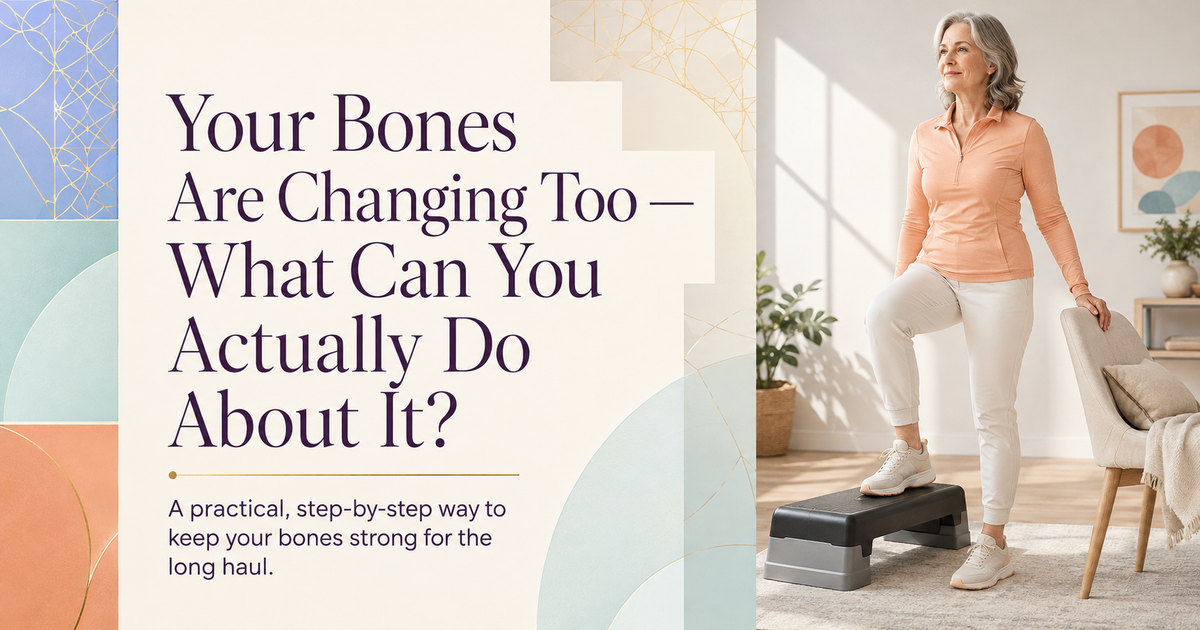
A practical guide to keeping them strong for the long haul.
Bones are remarkably easy to forget about. They don't ache as they weaken, they send no warning signals, and the change is completely invisible — right up until, for some, a stumble reveals it. But after menopause, bone loss speeds up as estrogen, one of bone's key protectors, declines. That combination of silence and acceleration is exactly why this is such an important, and genuinely hopeful, moment to give your bones some quiet, practical attention. The good news is that bone responds to care at any age. Here's how, step by step.

Step 1: Give your bones a reason to stay strong.⤵️
Bone is living tissue, constantly being broken down and rebuilt, and it responds directly to being loaded and used. Weight-bearing movement — walking, gentle strength work, dancing, climbing stairs, even carrying the groceries — sends a signal that tells your body to keep bone dense and strong. Movement is quite literally the message that keeps your skeleton firm. Swimming and cycling are wonderful for your heart and joints, but because they don't load the bones against gravity, they don't do as much here — so make sure some of your weekly movement is on your feet.
Step 2: Feed them the raw materials.⤵️
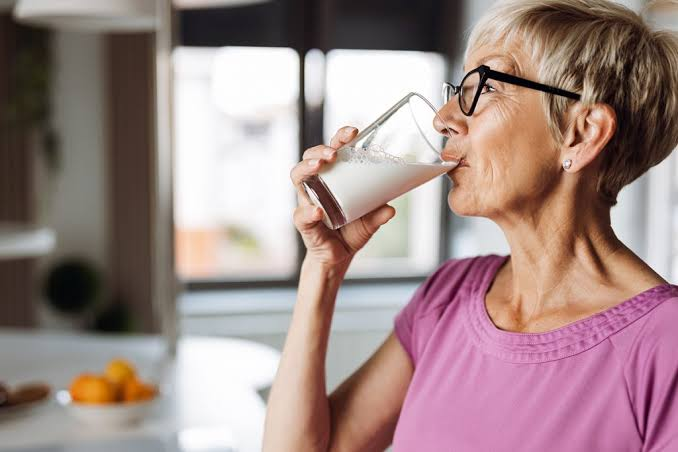
Your bones need the right building blocks. Calcium and vitamin D are the classic pair: think leafy greens, dairy or fortified plant alternatives, tinned sardines or salmon with the soft bones, and a little sunshine or a supplement for vitamin D, which helps you actually absorb the calcium. But don't overlook protein — roughly half of bone is a protein scaffold on which the minerals are laid down, so getting enough protein at each meal genuinely matters for a strong frame. Vitamin K, found in leafy greens, plays a quiet supporting role too.
Step 3: Add a little balance work.⤵️
Here's a truth that reframes the whole topic: strong bones protect you, but not falling protects them. The great majority of serious fractures come from a fall, so improving your balance directly protects your bones. It costs nothing and takes seconds — a few moments of standing on one foot while the kettle boils, a counter within easy reach, quietly builds the steadiness that helps keep you upright in the first place. Strong legs, from moves like sit-to-stands, help just as much.
Step 4: Mind the quiet drains.⤵️
Some habits gradually work against bone, and easing off them pays off. Smoking and heavy drinking both weaken bone over time. Very low body weight and repeated crash dieting can too, as can a diet very short on the nutrients above. None of this calls for perfection — simply softening these where you can is among the kindest long-term gifts you can give your skeleton.
Step 5: Know your baseline. ⤵️
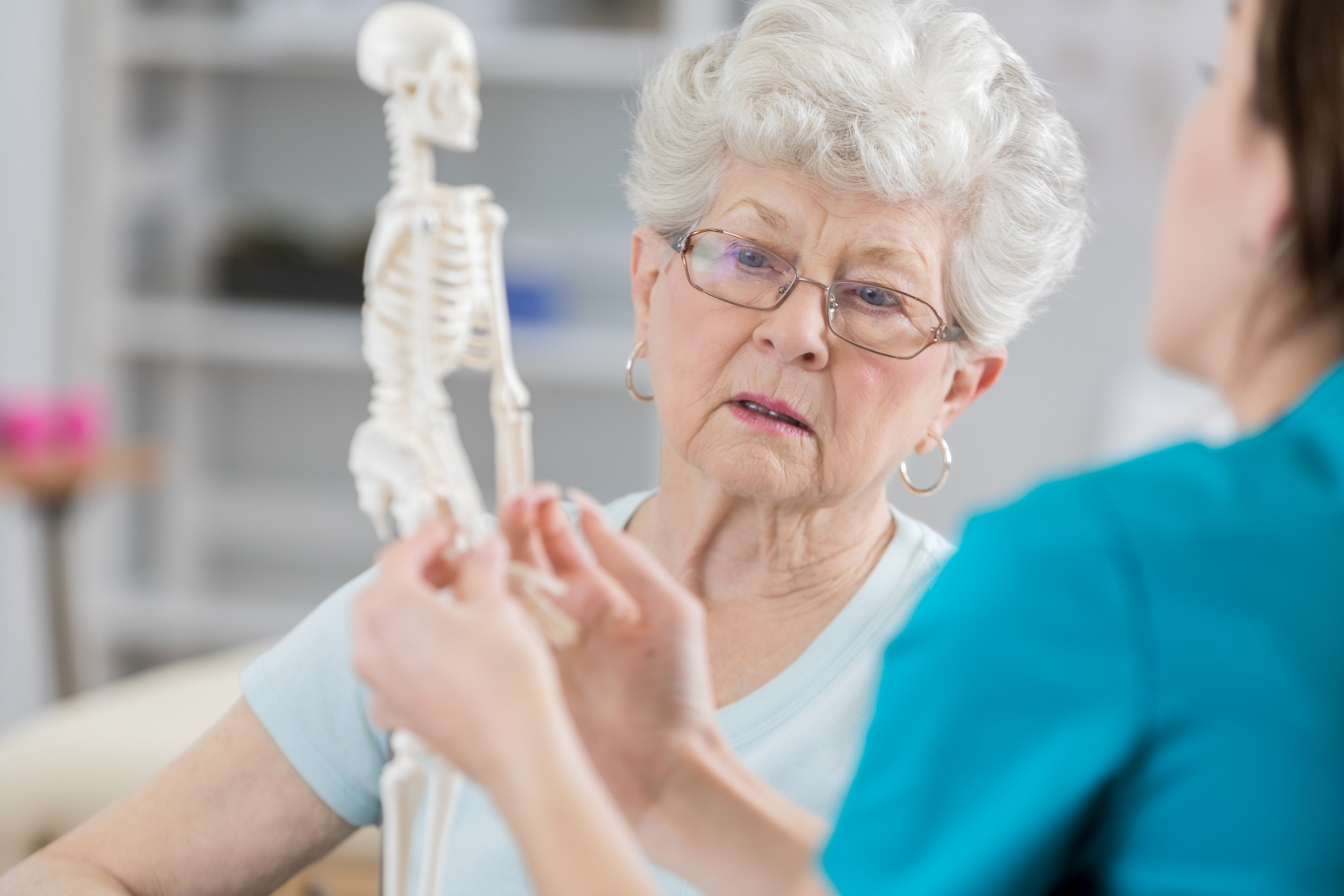
If you haven't had a bone-density scan — often called a DEXA — it's worth asking your doctor whether it's time, particularly after menopause or if bone problems run in your family. It's a calm, painless, genuinely useful number to know: a starting point that helps you and your doctor make good decisions together, not something to be frightened of. Knowledge here is reassuring, not alarming.
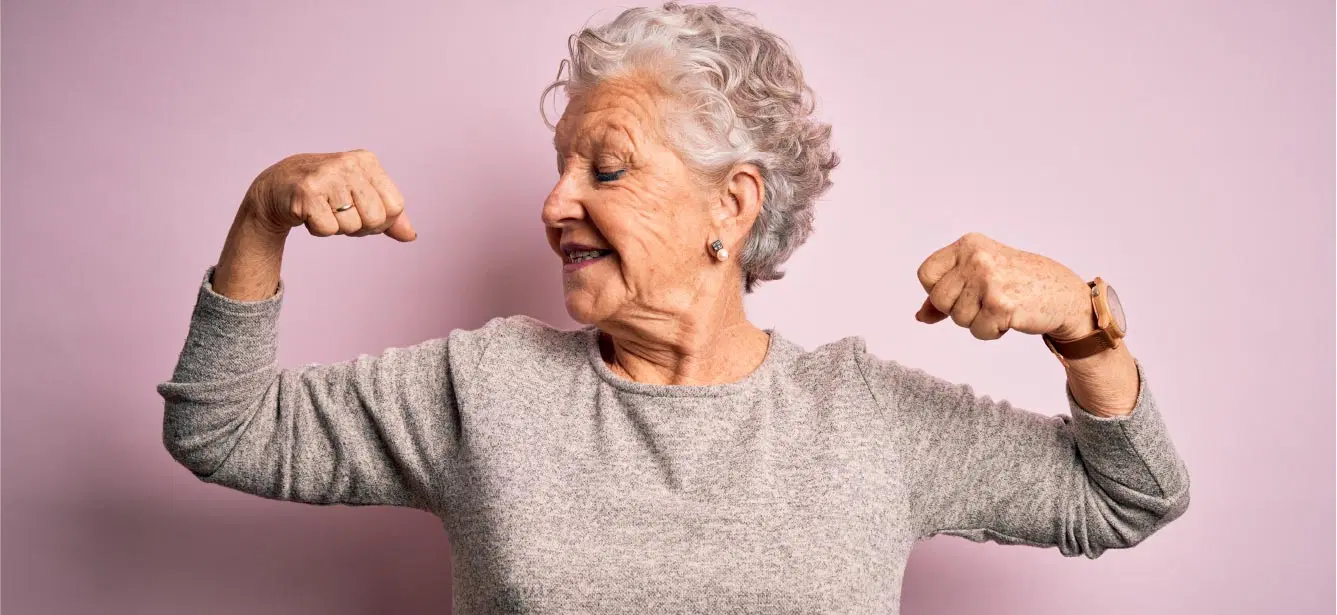
Here's the honest and encouraging heart of it: bone builds and maintains itself slowly, over months and years, not days or weeks. Far from being discouraging, that's the whole point — it means every ordinary walk, every protein-rich meal, every few seconds of balance practice is quietly working in your favor, laying down strength you won't feel but will one day be very glad of.
So please don't feel you must tackle all five steps at once. Add a short daily walk and a little more protein this week, and you have already begun protecting the strong, capable frame that carries you through your whole life. The rest can follow, gently, in its own time.
— The Daily Wellness Guide