
Is Fibermaxxing the New Proteinmaxxing?
A clear-eyed look at the internet’s latest “more is better” food trend.
First it was “proteinmaxxing” — the trend of cramming as much protein as possible into every meal. Now the wellness world has a new darling: “fibermaxxing,” the push to maximize your fiber intake, often dramatically.
Since we’re always championing fiber here, you might expect us to cheer. But like every “more is better” trend, it deserves an honest, clear-eyed look.
Is fibermaxxing a genuinely good idea, or a well-meaning trend taken too far? Let’s weigh it up.

First, the good news.
Unlike many fads, fibermaxxing starts from a genuinely sound place: most people don’t get enough fiber.
Fiber supports digestive health, helps you feel full, and can contribute to healthier cholesterol and blood-sugar levels. And for many women over 50, getting more fiber from whole foods is a very worthwhile goal.
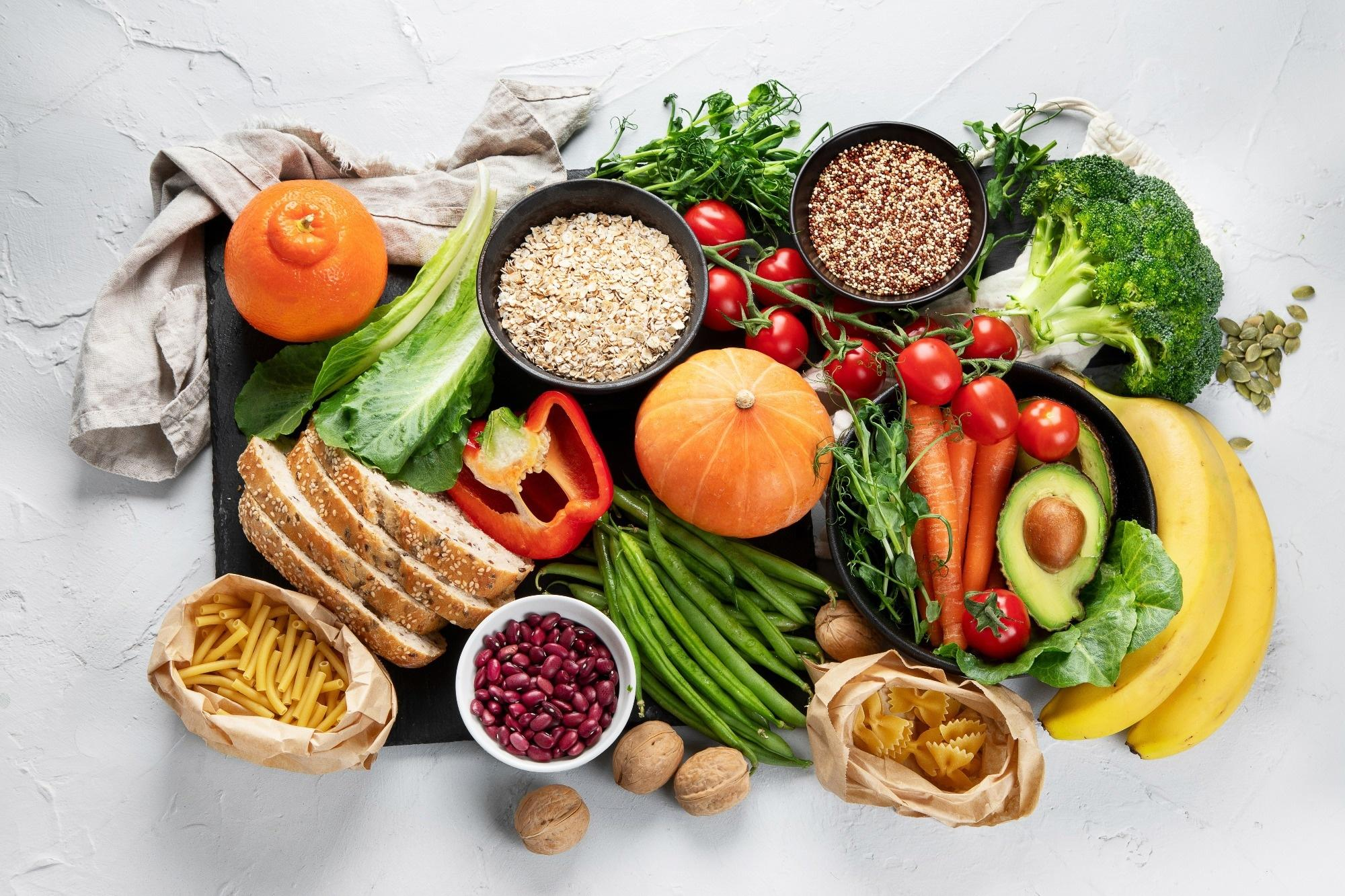
So a trend that gets people eating more beans, vegetables, fruit, oats, nuts, seeds, and whole grains? That’s genuinely a step in the right direction.
In that sense, fibermaxxing is a welcome change from trends that push restriction or expensive products. Its heart is in the right place: eat more plants and whole-food sources of fiber.
Hard to argue with that.
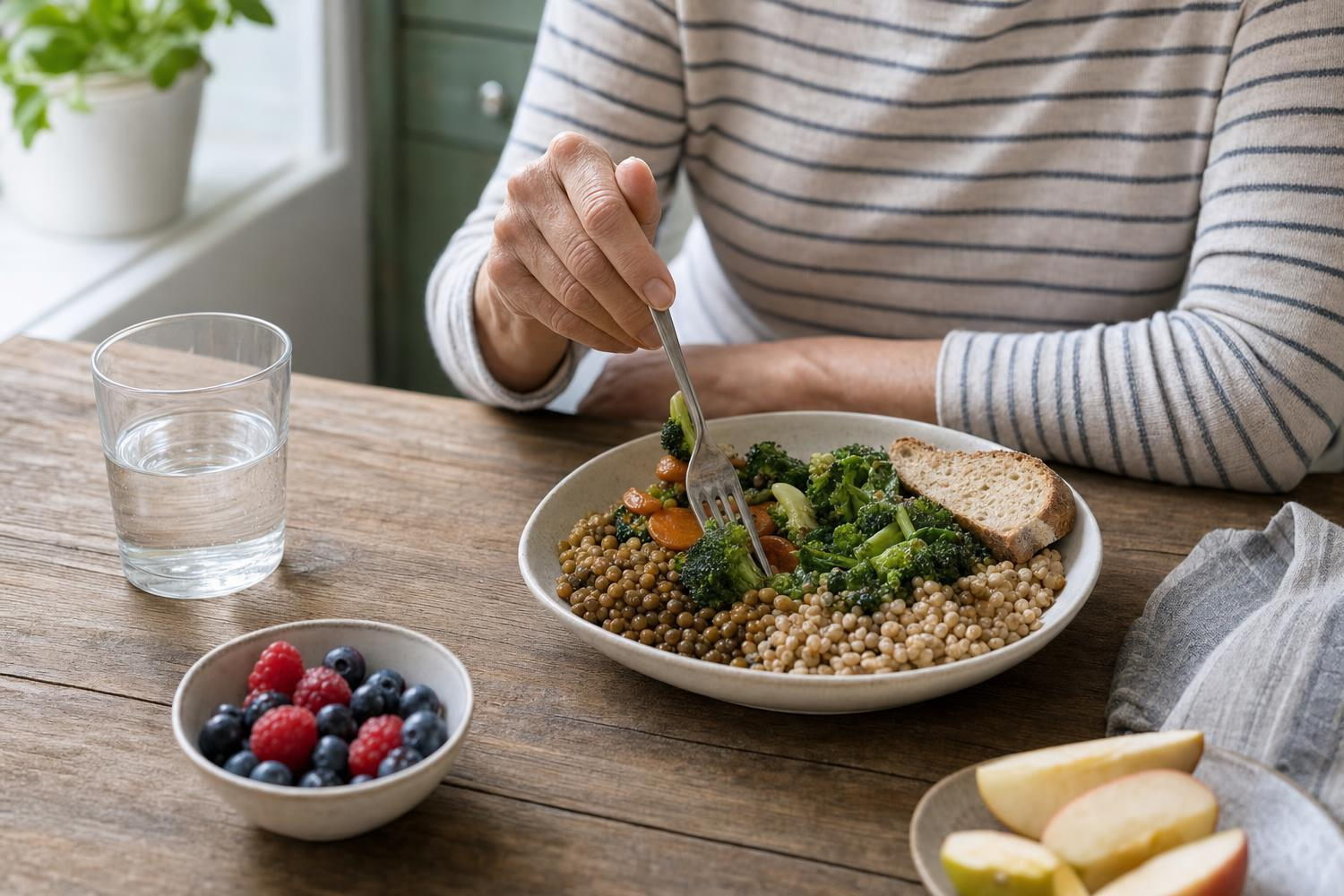
But here’s where the “maxxing” part deserves caution.
Because more is not always better.
A few honest concerns when fiber is pushed to extremes:
Too much, too fast, can backfire.This is the big one. Dramatically increasing fiber overnight can cause bloating, gas, cramping, and discomfort. Your gut needs time to adjust.
The enthusiasm around “maxxing” can skip right past this simple fact: your digestive system prefers gradual change.
Extreme amounts can cause problems.Going far beyond your usual intake can lead to significant digestive distress. Very large amounts of certain fiber supplements can also affect the absorption of some medications or nutrients.
More fiber isn't endlessly better. There’s a sensible range, and piling far beyond it isn’t a virtue.

Forgetting water makes it worse.
Fiber and fluids work together. Increasing fiber without getting enough fluid can make constipation worse rather than better.
That’s particularly important when someone suddenly adds large amounts of fiber-rich foods or fiber supplements.
So if you’re increasing fiber, increase fluids sensibly alongside it.
And don’t let balance get lost.
In the rush to “max” one nutrient, it’s easy to crowd out others — including the protein that becomes especially important for maintaining muscle as we age.
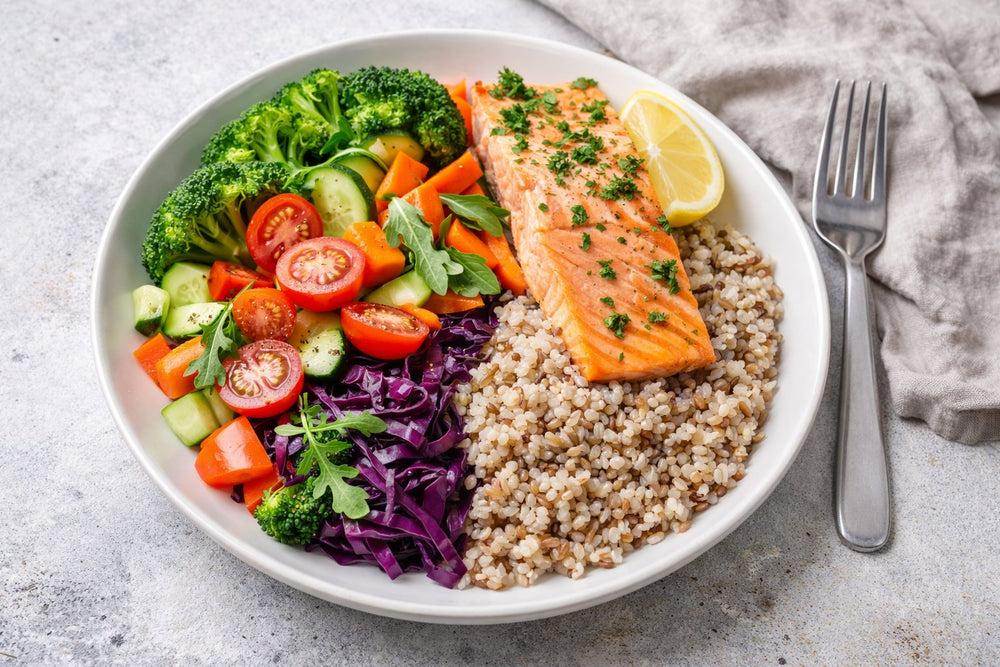
A healthy plate is balanced, not maxed out on a single nutrient.
So what’s the sensible verdict?
Take the good, leave the extreme.
The kernel of fibermaxxing — eat more fiber from whole foods — is genuinely worthwhile, especially if your current diet is low in fiber.
But skip the “maximize at all costs” mindset.
Instead:
Increase fiber gradually. Give your gut time to adapt rather than doubling your intake overnight.
Drink enough fluid. Fiber works best when you’re adequately hydrated.
Aim for “enough and varied,” not “maximum.” Around 25 grams a day is a useful general target for many women, although individual needs vary with age, diet, and health circumstances.
Keep your plate balanced. Pair fiber-rich foods with adequate protein, healthy fats, and a wide variety of whole foods.
And whenever possible, get your fiber from food rather than relying on powders and bars. Beans, lentils, vegetables, fruit, whole grains, nuts, and seeds bring plenty of other nutrients along for the ride.
The honest takeaway: Is fibermaxxing the new proteinmaxxing?
In a way, yes — it’s another “more is better” trend, and like its protein cousin, it contains a real truth wrapped in some unnecessary excess.
The truth is valuable: many people could benefit from eating more fiber, particularly from a variety of whole foods.
The excess — dramatically “maxing” fiber overnight or treating an enormous intake as inherently healthier — can genuinely backfire.
So embrace the spirit, skip the extreme: add fiber gently, steadily, with enough fluid and a balanced plate.
Your gut, your heart, and your whole body will thank you — no “maxxing” required.
— The Daily Wellness Guide