
Can Eating Beans More Often Support Healthy Aging?
One cheap, humble food keeps showing up in the diets of people who live longest — here’s why.
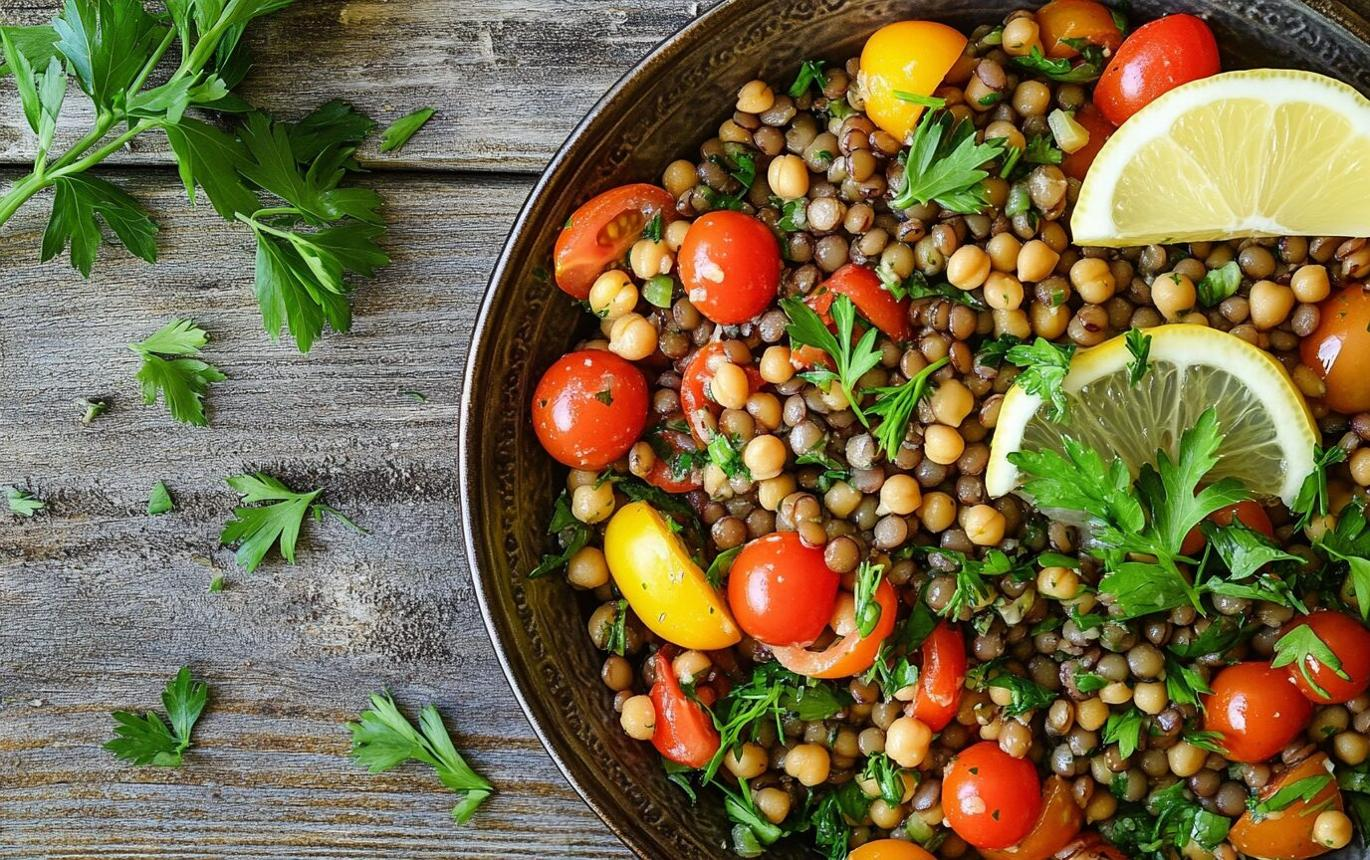
Beans, lentils, and other legumes rarely get the spotlight.
They're inexpensive, unglamorous, and easy to overlook next to trendy superfoods, powders, and supplements.
Yet when researchers look at the eating patterns of populations known for longevity, beans and other legumes show up again and again.
That doesn't mean beans are a magic longevity food — or that eating them guarantees you'll live longer.
But they are a remarkably nutritious, affordable food that fits beautifully into the kind of eating pattern associated with healthy aging.
Let's look at why.
🥬 The longevity connection
One of the most famous examples comes from the so-called Blue Zones — regions that have been studied for their unusually high proportions of people reaching very old age.
Legumes are a dietary staple in several of these populations, including beans, lentils, and chickpeas.
That's an interesting pattern, but it's important not to oversimplify it.
People in these communities don't live long because of one food. Their lifestyles typically involve a combination of nutritious foods, regular physical activity, social connection, and other environmental and cultural factors.
Still, beans are an especially interesting piece of the puzzle.
And there's plenty to like about them even without the longevity headline.
💪 Plant protein for your muscles
After 50, maintaining muscle becomes increasingly important.
Muscle supports strength, balance, mobility, and independence — and resistance exercise plus adequate protein are key parts of protecting it.
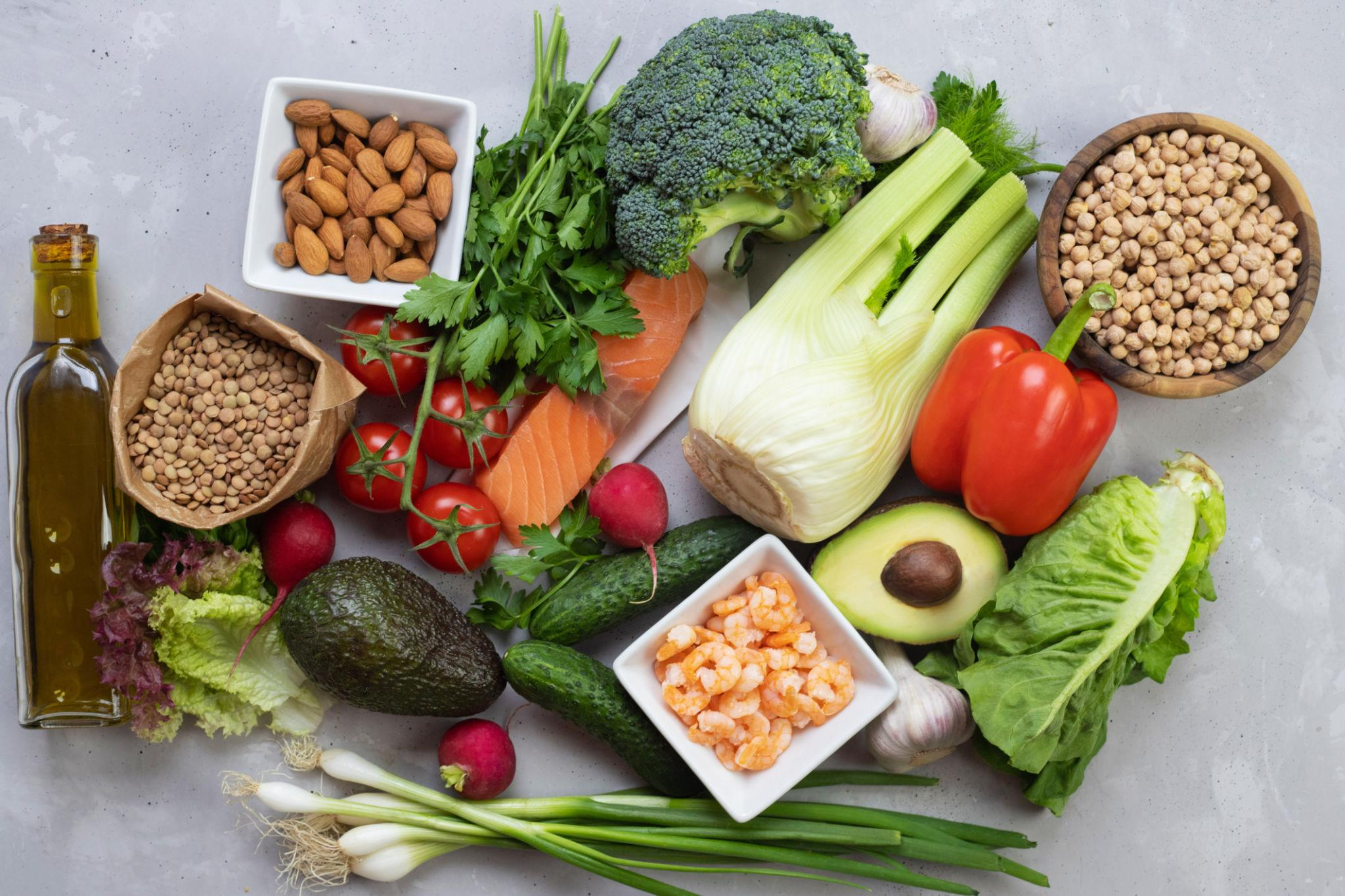
Beans provide plant protein along with fiber, minerals, and other nutrients.
They're not as protein-dense as foods such as fish, eggs, dairy, or meat, so if you're relying heavily on plants for protein, it's worth getting protein from a variety of sources throughout the day.
But beans absolutely deserve a place at the table.
A fiber powerhouse
This is where beans really shine.
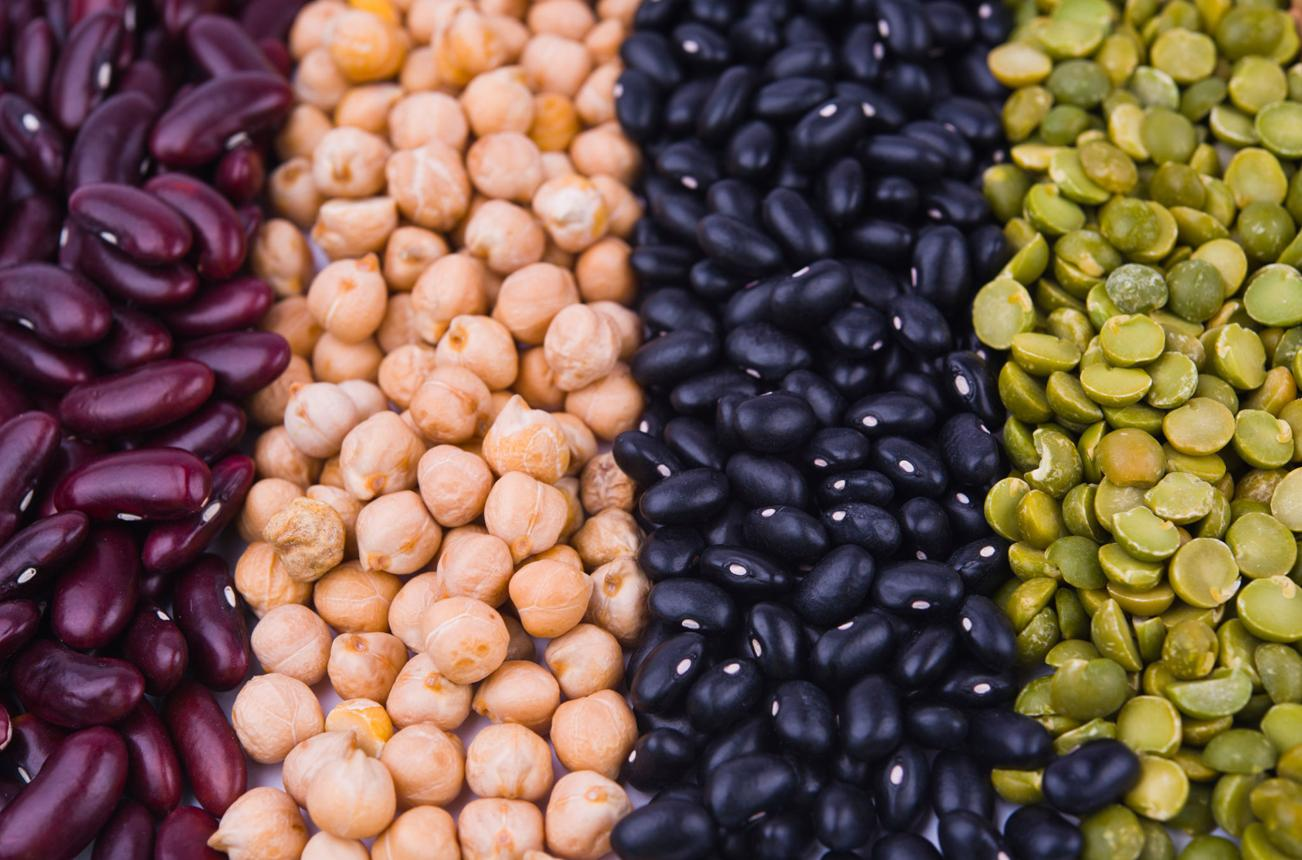
Beans, lentils, and chickpeas are among the richest everyday sources of dietary fiber.
And fiber does a lot more than simply keep you regular.
💡Why that fiber matters
The fiber in legumes can:
- Support regular bowel movements
- Feed beneficial gut microbes
- Slow digestion and help moderate the rise in blood sugar after meals
- Help lower LDL cholesterol
- Increase fullness and satisfaction after eating
Some of the fiber is fermented by gut bacteria, producing short-chain fatty acids and other compounds that are being studied for their effects on gut and metabolic health.
That's a lot of useful work from one humble ingredient.
And because fiber-rich foods tend to be filling, replacing some refined carbohydrates or highly processed foods with beans can also make a meal more satisfying.
Steady energy and heart support
Beans generally digest more slowly than refined carbohydrates such as white bread or sugary foods.
That combination of fiber, protein, and slowly digested carbohydrates can help produce a steadier blood-sugar response and longer-lasting fullness.
Research also consistently associates legume-rich eating patterns with better cardiovascular health, particularly when legumes replace less nutritious foods.
Again, the bigger dietary pattern matters.
Beans aren't a magic shield against heart disease — but they are a very smart food to include regularly.
· · ·
And they're wonderfully affordable
This might be one of the best things about beans.
You don't need an expensive supplement, imported “superfood,” or complicated recipe.
Try:
- Adding chickpeas or white beans to soups and salads
- Stirring lentils into pasta sauce, curry, or stew
- Making a simple bean-and-vegetable soup
- Spreading hummus on whole-grain toast or using it as a dip
- Mixing beans into tacos, rice dishes, or grain bowls
- Replacing part of the meat in chili, casseroles, or stews with beans
Canned beans are perfectly useful, too. If sodium is a concern, choose lower-sodium varieties or rinse canned beans before eating.

What if beans make you bloated?
You're not imagining it.
Beans contain fermentable carbohydrates and fiber that can produce gas, especially if you're not used to eating many legumes.
The answer usually isn't to give them up.
Start small and increase gradually.
A few spoonfuls at first, followed by progressively larger portions, can give your gut microbes time to adjust. Drinking enough fluid and choosing well-cooked beans can help, too.
And if beans consistently cause significant pain, diarrhea, or other digestive symptoms, it's worth discussing that with a healthcare professional rather than simply pushing through.
The honest takeaway
Yes — eating beans more often can be a genuinely healthy choice as you age.
Not because beans are a magic longevity food, but because they bring an unusually useful combination of fiber, plant protein, minerals, and other beneficial nutrients in one inexpensive package.
And when beans replace less nutritious foods, they can make an already healthy eating pattern even better.
You don't need to overhaul your diet.
Start with one simple change: add beans to a meal you already enjoy a couple of times a week.
Sometimes healthy aging isn't about discovering something exotic.
It's about appreciating the humble foods that have been doing their job all along.
— The Daily Wellness Guide