Why Is Everyone Talking About Anxiety Relief on TikTok?
The viral "calm hacks" — and the surprising science behind the good ones.
Your feed is probably full of them: breathe this way, splash cold water on your face, hum for 30 seconds—and suddenly your anxiety will disappear.
It's sensible to be skeptical of wellness advice delivered by a phone.
But there's an interesting truth underneath some of these trends: certain simple techniques really can influence the body's stress response.
The trick is separating the useful techniques from the exaggerated promises.
· · ·
🌬️ The long exhale
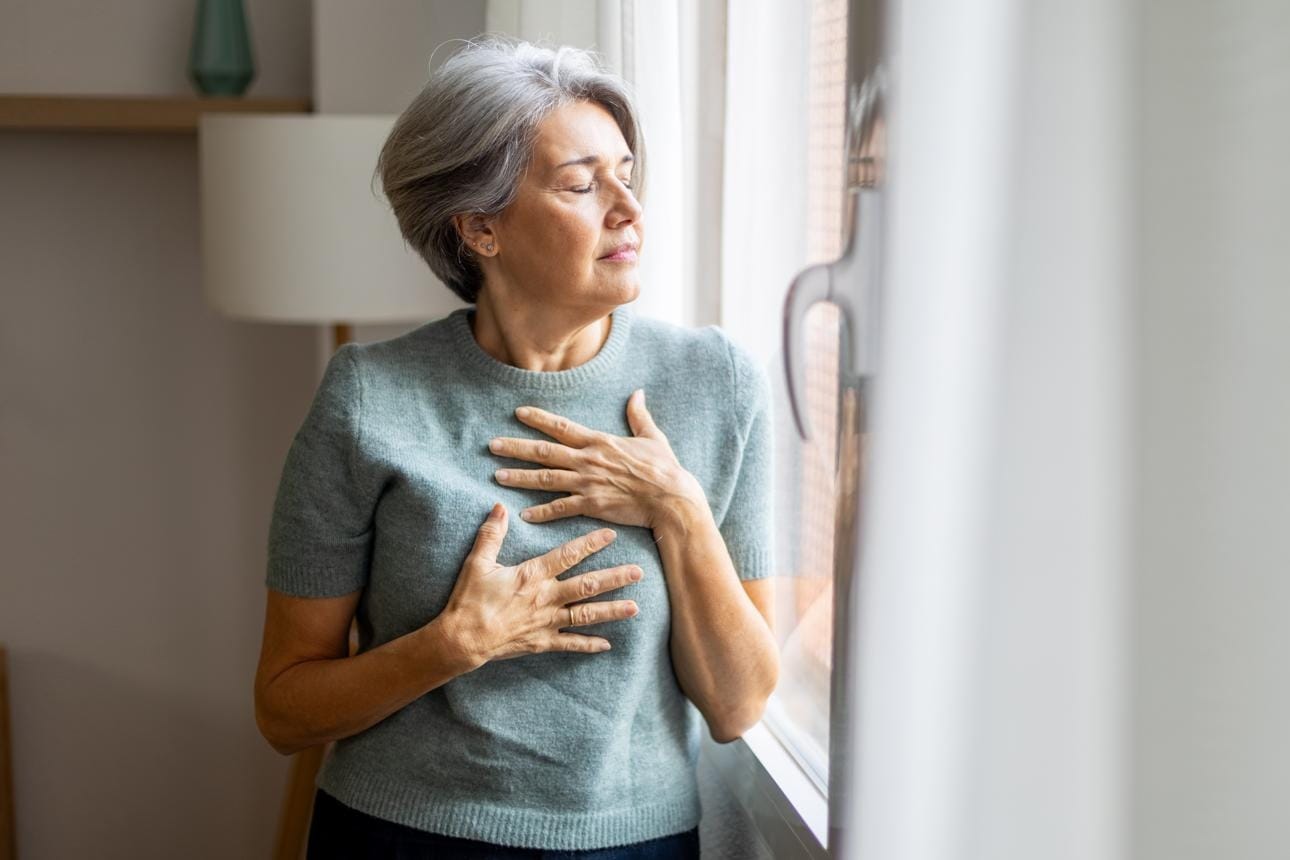
This is one of the simplest techniques to try.
When you're stressed, your breathing can become faster or shallower. Deliberately slowing your breathing—particularly with a comfortable, longer exhale—can help reduce physiological arousal and make you feel calmer.
One technique that has attracted attention is the physiological sigh: two gentle inhales followed by a longer exhale.
Research has found that brief structured breathing exercises can reduce stress and improve mood in the moment.
You don't have to perform it perfectly.
Try a few comfortable cycles and see whether your body responds.
The goal is calmer breathing—not taking the biggest breath possible.
· · ·
🧊 What about cold water?
This one sounds particularly TikTok-ish, but there's real physiology behind the idea.
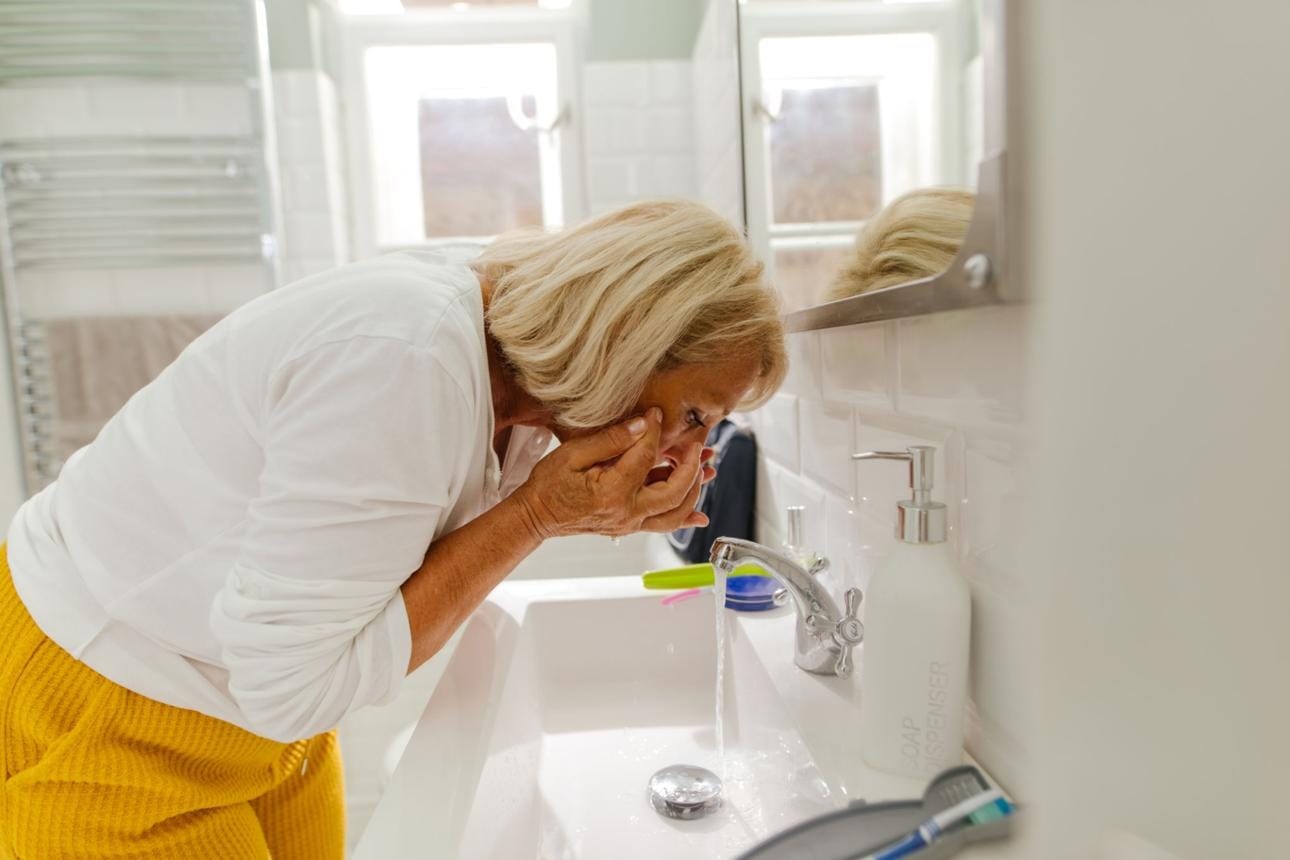
Cold stimulation of the face can activate the mammalian diving response, a reflex that can influence heart rate and cardiovascular activity.
Some people find a brief splash of cool water on the face refreshing when they're highly activated.
But that doesn't mean you need an ice bath—or that cold exposure is a treatment for anxiety.
If you have a heart or circulation condition, are prone to fainting, or have been advised to avoid sudden cold exposure, don't experiment with it without medical guidance.
🎵 Humming and singing
Here's a gentler option.
Humming, singing, or making a slow sustained sound can feel calming for some people because it naturally encourages slower, more controlled breathing.
There are theories involving the vagus nerve and parasympathetic nervous system, but it's important not to oversell the mechanism: claims that simply humming “stimulates your vagus nerve” in a powerful therapeutic way go beyond what the evidence can firmly establish.
Still, there's very little reason not to enjoy a favorite song or a quiet hum if it helps you settle.
Sometimes the simplest intervention is also the most pleasant.
🧠 The bigger idea: calm the body, too
One useful lesson underneath all these trends is that anxiety isn't only a thought process.
Stress affects breathing, heart rate, muscle tension, attention, and other physical systems.
So when you're feeling wound up, working with the body can sometimes help interrupt that cycle.
Try:
Slow your breathing. Relax your shoulders. Unclench your jaw. Take a short walk. Listen to calming music. Step somewhere quieter.
You don't have to “hack” your nervous system.
You're simply giving your body a chance to settle.
· · ·
⚠️ When a hack isn't enough
This part matters.
Breathing exercises, music, or a splash of cool water can be useful in the moment, but they're not substitutes for treatment when anxiety is persistent or severe.
If anxiety is frequent, difficult to control, affecting your sleep or relationships, or interfering with everyday life, talk with a healthcare professional or mental-health professional.
And if anxiety is new or noticeably worse around menopause, mention it to your doctor. Hormonal changes can coincide with changes in mood and anxiety, but other physical or psychological factors can contribute too.
You deserve more support than a 30-second video when you need it.
If anxiety ever comes with thoughts of harming yourself or feeling unable to stay safe, seek urgent help from local emergency or crisis services.

The bottom line
The anxiety-relief trend is full of exaggerated claims.
But buried among them are some genuinely useful ideas.
Slow, comfortable breathing can help regulate stress in the moment. Cold facial stimulation has a real physiological basis, although it isn't a cure. Music, humming, movement, and relaxation can help some people settle.
Keep the useful pieces.
Leave the miracle promises.
And remember that an occasional wave of stress is different from an anxiety disorder that needs proper care.
So the next time your body feels wound up, try something wonderfully low-tech:
Stop. Breathe slowly. Let the exhale lengthen. Give yourself a moment.
You don't need an app to remind your body that it can slow down.
· · ·
“Not every calming technique needs to be complicated. Sometimes, a slower breath is a small way of telling your body: you are safe right now.”
— The Daily Wellness Guide