
Why Blood Sugar Matters Even If You Don't Have Diabetes

The quiet daily rhythm behind your energy and mood.
Blood sugar isn't only a diabetes story.
Every time you eat, your body is carefully adjusting the amount of glucose in your bloodstream. Your cells use that glucose for energy, while insulin helps move it where it needs to go.
You don't need diabetes to benefit from understanding the basics.
And thankfully, you don't need a complicated diet to support healthy blood-sugar regulation either.
· · ·
First, What Actually Happens?
Carbohydrates are broken down into glucose, which enters your bloodstream after eating.
Your pancreas releases insulin, helping your cells take up glucose and use it for energy.
How quickly this happens depends on the food you eat, how much you eat, what you eat alongside it, and even what you're doing afterward.
A bowl of sugary cereal or a pastry on its own generally behaves differently from a meal containing vegetables, beans, protein, and healthy fats.
The goal isn't to prevent your blood sugar from rising. That's normal.
It's about supporting a healthy overall pattern.
Why Does It Matter With Age?
Blood-sugar regulation can become less efficient as we get older, and menopause can bring additional changes in body composition and metabolism.
Prediabetes is also common and often causes no obvious symptoms.
That's why routine health checks can be useful. A simple blood test such as A1C or fasting glucose can give you and your healthcare professional a clearer picture of your blood-sugar health.

· · ·
5 Gentle Ways to Support Steadier Blood Sugar
🥚 1. Pair Carbohydrates With Protein
Instead of having toast, fruit, or crackers completely on their own, add something satisfying alongside them.
Try:
Toast + eggs
Apple + nut butter
Fruit + Greek yogurt
Crackers + cheese
This combination can make meals and snacks more filling while slowing how quickly carbohydrates are digested.
🥦 2. Add More Fiber
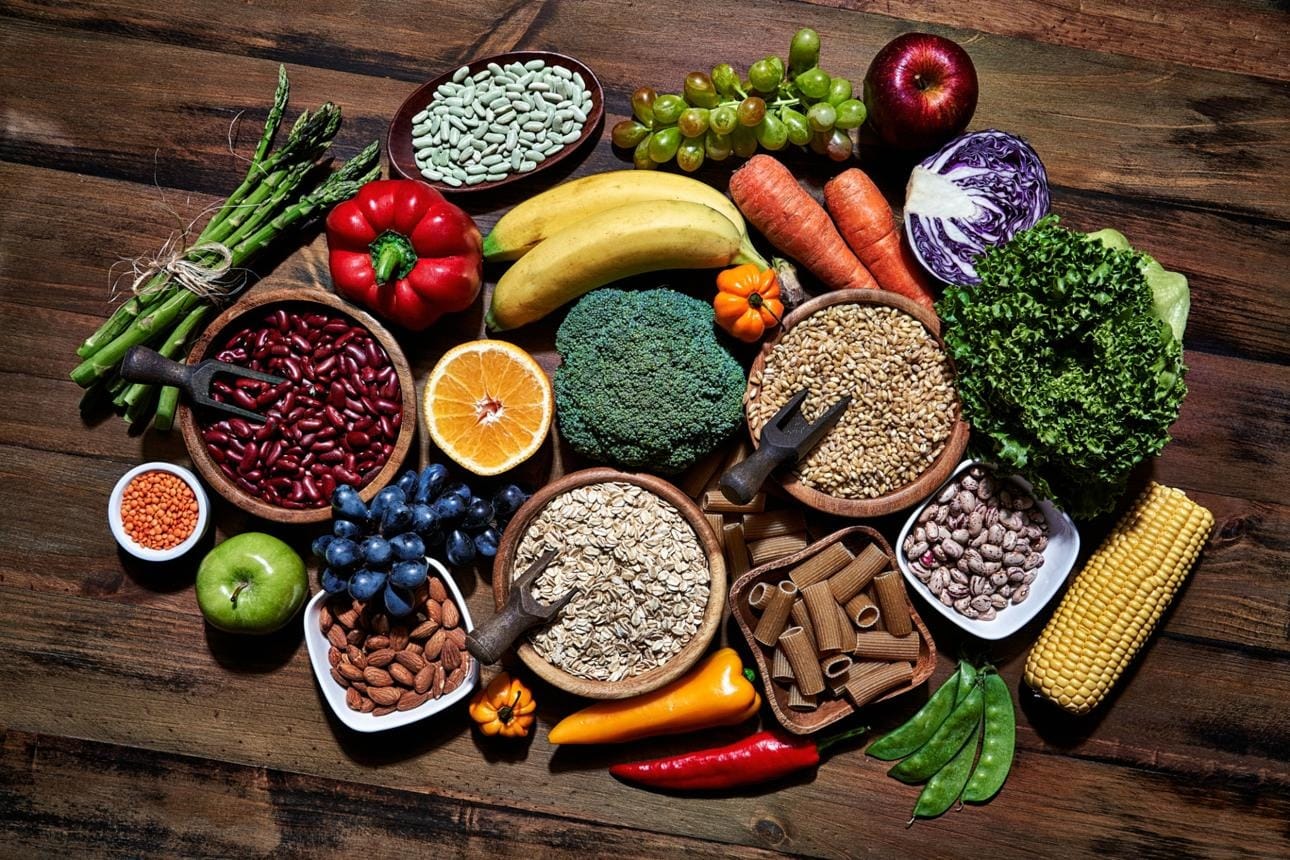
Vegetables, beans, lentils, oats, whole grains, nuts, seeds, and fruit all provide fiber.
Fiber can slow digestion and help support healthier blood-glucose responses.
You don't have to suddenly eat enormous salads.
Add one extra plant food to a meal you're already eating.
🚶 3. Take a Short Walk After Eating
You don't need a workout.
A gentle walk after a meal gets your muscles working, and active muscles can take up glucose from the bloodstream.
Even a short stroll can be an easy habit to build into your day.
Walk around the block. Walk around your garden. Walk while chatting with a friend.
It all counts.

🌾 4. Choose Whole Foods More Often
You don't have to ban white bread, dessert, or your favorite foods.
Simply make foods such as beans, oats, vegetables, fruit, and whole grains regular parts of your meals.
Think “more often,” not “never again.”
That mindset is much easier to live with.
😴 5. Don't Forget Sleep
Sleep and blood-sugar regulation are connected.
Poor or insufficient sleep can affect insulin sensitivity, appetite, and food choices.
So your bedtime routine isn't separate from metabolic health.
A good night's sleep is part of taking care of your whole body.

· · ·
You Don't Need to Fear Carbohydrates
This is important.
Carbohydrates aren't “bad.”
Fruit, beans, oats, potatoes, and whole grains can all be part of a nutritious diet.
The bigger picture is what you eat overall, how much, and what you pair it with.
You don't need to test your blood sugar after every meal or obsess over a glucose monitor unless your healthcare professional has recommended it.
Don't chase perfectly flat blood sugar. Build meals and habits that support your body consistently.
If you're concerned about your blood sugar, have risk factors for diabetes, or haven't had your levels checked recently, talk with your healthcare professional.
A simple test can tell you much more than guessing based on how you feel.
And for everyday wellness, start small:
Add protein.
Eat more fiber-rich foods.
Take a walk.
Protect your sleep.
Keep up with appropriate health checks.
That's it.
No detox. No extreme carbohydrate ban. No perfect diet required.
Healthy blood sugar isn't about controlling every bite. It's about giving your body supportive habits, one ordinary meal at a time.
— The Daily Wellness Guide