
Why Are You Suddenly Waking Up at 3 A.M.?
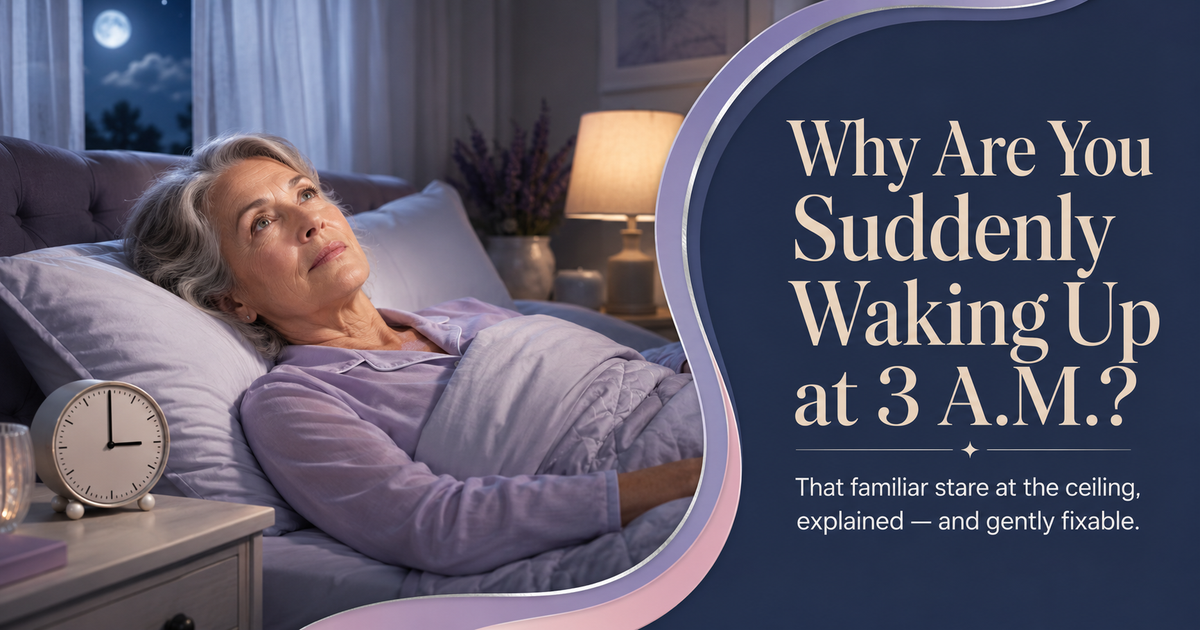
That familiar stare at the ceiling, explained.
You fall asleep just fine. Then, almost like clockwork, your eyes open in the small hours and your mind switches on. You start replaying tomorrow’s to-do list, last week’s awkward conversation, or nothing in particular at all.
You lie there, willing yourself back to sleep and growing more frustrated by the minute. If this has become a familiar pattern, you’re in very good company. It is rarely as random or worrying as it feels at 3 a.m.
Let’s gently separate the common myths from what may really be happening.

⚪ Myth 1: Waking During the Night Means Something Is Wrong
Fact: Brief night wakings are a normal part of human sleep at every age.
We naturally move through several sleep cycles each night. Between those cycles, the brain briefly comes closer to wakefulness. Younger sleepers often return to sleep so quickly that they never remember it happening.
After 50, sleep can become lighter, so those natural pauses are easier to notice and remember. The waking itself is not always the problem. The difficulty begins when your mind becomes fully alert and you cannot settle again.
Remember: One difficult night does not mean you have developed a serious sleep problem.
⚪ Myth 2: It’s Only Stress, So Nothing Can Be Done
Fact: Stress can contribute, but there are practical ways to calm your response.
Cortisol, one of the hormones connected to alertness, naturally begins rising toward morning to prepare your body for the day. If you are already stressed or anxious, your mind may use that lighter stage of sleep as an opportunity to switch fully on.
A calming wind-down can help lower your level of alertness before bed. Try dimming the lights, stepping away from upsetting news, and writing down anything you need to remember tomorrow.
If you wake during the night, use a slow breath:
- Breathe in gently for four counts.
- Breathe out slowly for six counts.
- Repeat without forcing yourself to sleep.
The longer exhale helps send your nervous system the message that you are safe and can rest.
⚪ Myth 3: A Nightcap Helps You Sleep Until Morning
Fact: Alcohol may make you sleepy at first, but it can disturb the second half of the night.
As your body processes alcohol, your sleep may become lighter and more fragmented. You may wake more frequently, feel warmer, need to use the bathroom, or struggle to return to sleep.
This creates a frustrating pattern: the drink that seemed to help you fall asleep may contribute to the waking that follows.
If you regularly have an evening drink, try moving it earlier, reducing the amount, or skipping it for several nights. Notice whether your sleep changes. Your own pattern can be more useful than a single rule.
⚪ Myth 4: Hormones Have Nothing to Do With It
Fact: Hormonal changes can strongly affect sleep for many women.
During and after menopause, hot flashes and night sweats may pull you out of lighter sleep. Sometimes the temperature change is obvious. Other times, you simply wake feeling restless, uncomfortable, or suddenly alert.
A few adjustments may help:
- Keep the bedroom comfortably cool.
- Choose light, breathable bedding.
- Wear moisture-wicking sleep clothes.
- Keep water nearby if you often wake feeling warm or dry.
Also notice whether spicy food, alcohol, stress, or an overly warm room seems to make your nighttime symptoms worse.

⚪ Myth 5: You Should Stay in Bed and Try Harder to Sleep
Fact: Trying hard to sleep often creates more frustration and alertness.
The moment you start checking the clock and calculating how many hours remain, your bedroom can begin feeling like a place of pressure rather than rest.
If you have been awake for what feels like about 20 minutes, consider getting up briefly. Keep the lights low and choose something quiet and slightly dull, such as reading a few pages of a calm book or listening to gentle audio.
Avoid bright screens, work, online shopping, or anything emotionally engaging. Return to bed when you begin feeling sleepy again.
This helps your brain reconnect the bed with sleep instead of worry.
🔔 Small Habits That Can Make a Difference
Nighttime sleep is affected by what you do during the day. You do not need a perfect routine, but a few steady habits can strengthen your body clock:
- Wake up at roughly the same time each morning.
- Get some natural daylight soon after waking.
- Include movement during the day.
- Limit caffeine after early afternoon.
- Keep naps short and avoid taking them too late.
- Make your bedroom cool, dark, quiet, and comfortable.
A consistent wake time is especially helpful. Sleeping very late after a difficult night may feel necessary, but it can make it harder to feel sleepy at your usual bedtime.
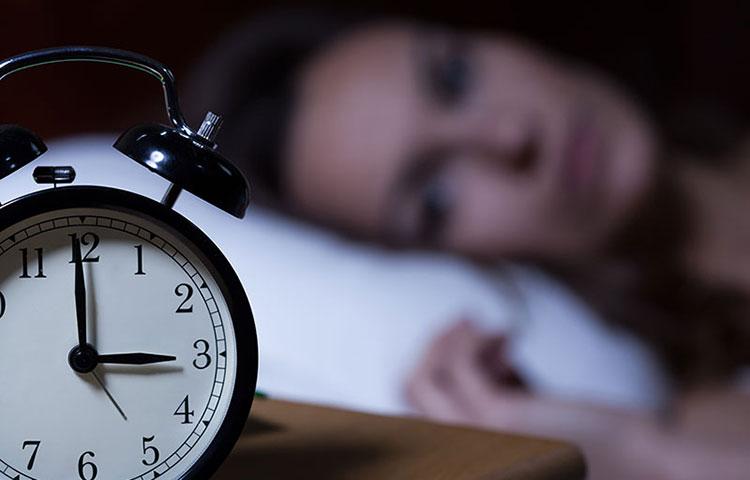
⚪ Your 3 A.M. Reset
If you wake tonight, try this gentle sequence:
First: Do not immediately check the time. Clock-watching can increase pressure.
Next: Relax your jaw, shoulders, hands, and stomach. These areas often hold tension without us noticing.
Then: Take a few slow breaths, making each exhale slightly longer than the inhale.
Finally: If you remain fully awake, leave the bed briefly and do something quiet until sleepiness returns.
The goal is not to force sleep. It is to create the calm conditions that allow sleep to return naturally.
Waking at 3 a.m. is not a personal failing or proof that your body is broken. It is often a lighter-sleeping brain responding to stress, temperature, hormones, habits, or the normal movement between sleep cycles.
Small changes may not solve everything in one night. Give a new routine several days before deciding whether it helps. Sleep responds best to consistency, patience, and less pressure.
If broken sleep continues for weeks, affects your daily life, or comes with loud snoring, gasping, severe night sweats, pain, or unusual daytime exhaustion, speak with your healthcare professional.
For many women, though, a few gentle adjustments and a little self-compassion can make those early-morning hours feel much less frustrating.
— The Daily Wellness Guide