
Why Ankle Mobility Matters More Than You Think After 50
Seven quick facts about the overlooked joint that keeps you steady.
Of all the body parts to worry about after 50, your ankles probably rank near the bottom of the list. But here’s something that might change your mind: those humble joints at the bottom of your legs play a surprisingly big role in your balance, your walking, and your independence. Stiff, weak ankles can quietly cause problems far up the chain. Here are seven quick facts about why ankle mobility deserves far more attention than it gets.
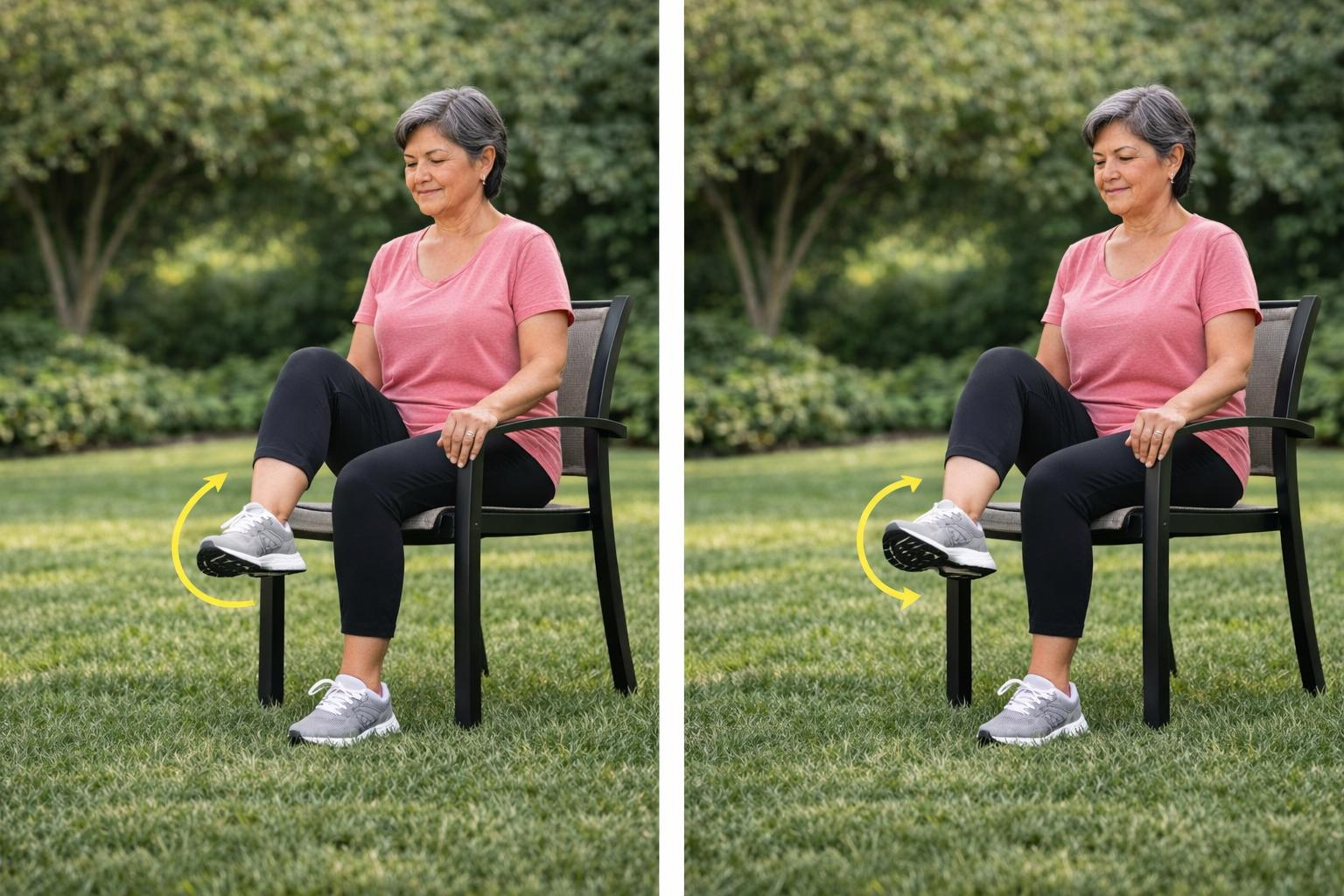
➠ 1. Your ankles are your foundation for balance.
Every time you stand and stay steady, your ankles are making tiny constant adjustments to keep you upright. Stiff or weak ankles mean a shakier foundation — and balance is one of the most precious things to protect as we age.

➠ 2. Stiff ankles can contribute to fall risk.
This is the big one. When ankles don’t flex and adjust well, everyday movements can become less stable, especially on uneven ground. Good ankle mobility is one piece of a larger fall-prevention picture.
➠ 3. They affect how you walk.
Ankles that don’t move well can change your whole gait — shortening your stride, making walking less efficient, and sometimes contributing to a shuffling pattern. Supple ankles help keep your walking smooth and confident.
➠ 4. Problems travel up the chain.
Here’s what surprises people: limited ankle movement can change how the knees and hips move because your body has to compensate. In some people, that may contribute to discomfort higher up the leg. Caring for your ankles can help support better movement throughout the lower body.
➠ 5. They can stiffen with age and inactivity.
Ankles may lose some flexibility over the years, particularly when we spend long periods sitting or moving less. The good news: regular, gentle movement can help maintain their range of motion.
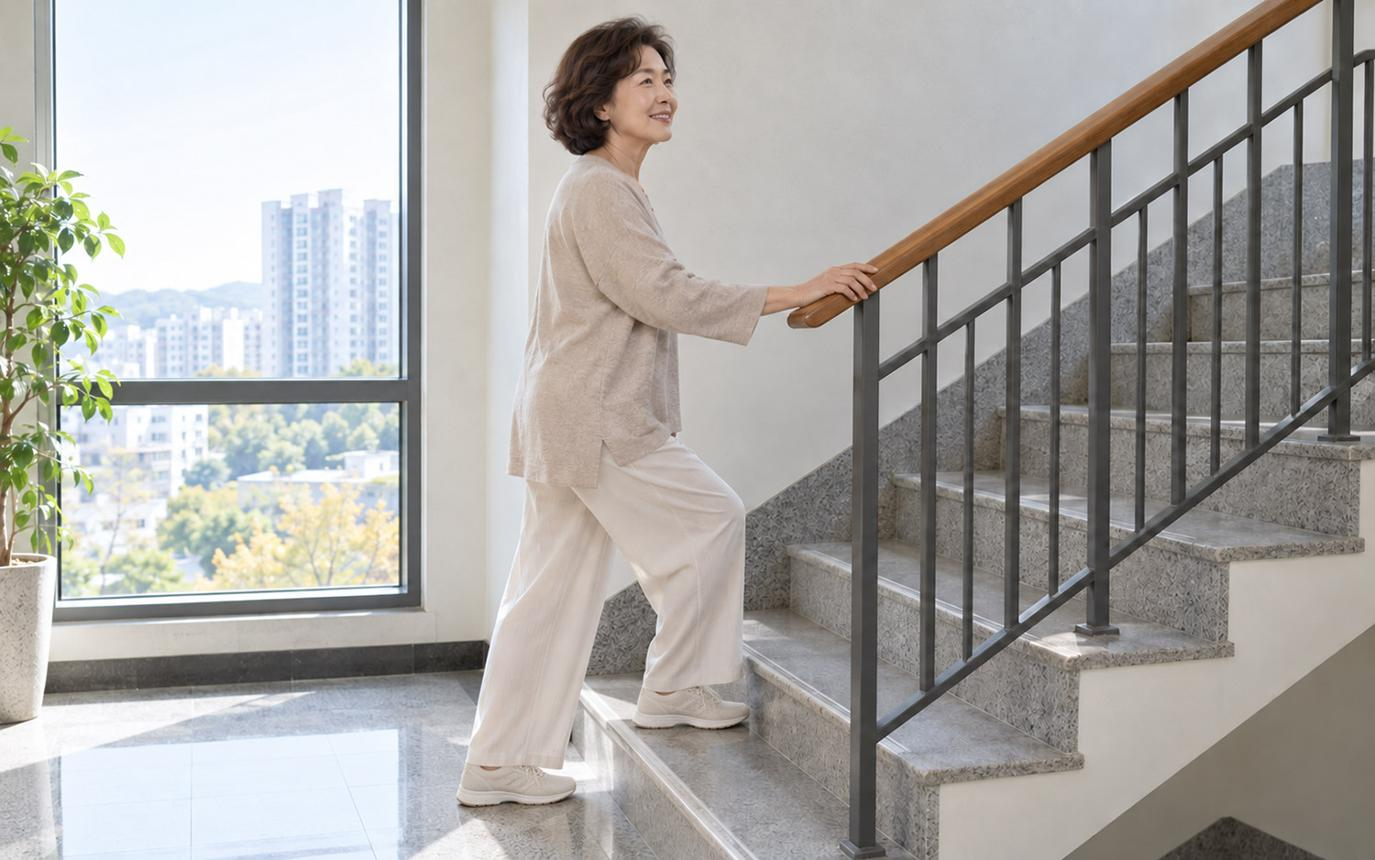
➠ 6. They’re easy to care for.
You don’t need anything fancy. Simple ankle circles, pointing and flexing your feet, calf stretches, and rising onto your toes (heel raises) can help keep ankles mobile and strong — a few minutes while you sit or wait for the kettle.
➠ 7. Strong, mobile ankles support confident independence.
Put it all together — better balance, smoother walking, stronger lower legs, and more confidence on your feet — and good ankle function quietly supports your ability to move freely and stay independent. Not bad for a joint we rarely think about.
A gentle note: move within a comfortable range, and if you have ankle pain, swelling, or an old injury that’s acting up, check with a doctor or physiotherapist rather than pushing through. And always keep something sturdy nearby for balance when practicing standing ankle exercises.
The takeaway: ankle mobility matters far more than you’d think after 50 — those overlooked little joints are foundational to your balance, your walking, and your freedom to move with confidence. The lovely part is how easy they are to care for: a few gentle ankle circles, calf stretches, and heel raises woven into your day can help maintain mobility and strength. So give your ankles a little love. They’ve carried you faithfully all these years — a few minutes of attention helps support steady, independent movement for many more.
— The Daily Wellness Guide