The Muscle You Lose Quietly — and Why It Matters More Than Weight
The number on the scale doesn't tell this story.
We spend so much energy watching our weight that we often miss a quieter, more important change happening underneath: the gradual loss of muscle.
It even has a name, sarcopenia. Because it usually happens without pain or one obvious symptom, it can go unnoticed for years. You may simply notice that climbing stairs feels more tiring, grocery bags seem heavier, or getting up from the floor requires more effort.
These changes are often dismissed as “just getting older.” But muscle loss is not something you have to accept without a fight.
1. It Starts Earlier Than You Think
Muscle begins its slow decline as early as our thirties. The loss may accelerate after menopause, when hormonal changes affect how the body maintains muscle and bone.
Illness, injury, surgery, strict dieting, or a long stretch of bed rest can speed it up. Even a few unusually inactive weeks may leave your legs feeling weaker or your energy noticeably lower.
The body adapts quickly to what we ask of it. When muscles are rarely challenged, the body begins to treat some of that strength as unnecessary.
The encouraging truth: The pace is not completely fixed. Daily movement, strength exercises, protein, sleep, and recovery all help determine how much strength you keep.
2. The Scale Can Hide It Completely
You can weigh exactly the same today as you did a year ago while muscle has quietly given way to fat underneath. That is why your clothes may fit differently even when the number has not changed.
The reverse can also happen. When you begin strength training, your weight may stay the same or rise slightly while your waist feels smaller, your posture improves, and daily movement becomes easier.
Instead of relying only on the scale, look for real-life signs of progress:
- Climbing stairs feels easier.
- You can carry your shopping comfortably.
- You feel steadier while walking.
- Getting up from a chair requires less effort.
Two women at the same weight can have completely different levels of strength and mobility. The scale should be only one small piece of information, not the final verdict on your health.

3. Muscle Supports Your Metabolism
Muscle requires more energy to maintain than body fat, even while you are resting. As muscle declines, your body may burn slightly fewer calories throughout the day.
This is one reason weight can slowly creep up even when your eating habits have not changed very much. Muscle also helps your body use glucose after you eat, supporting steadier energy and better metabolic health.
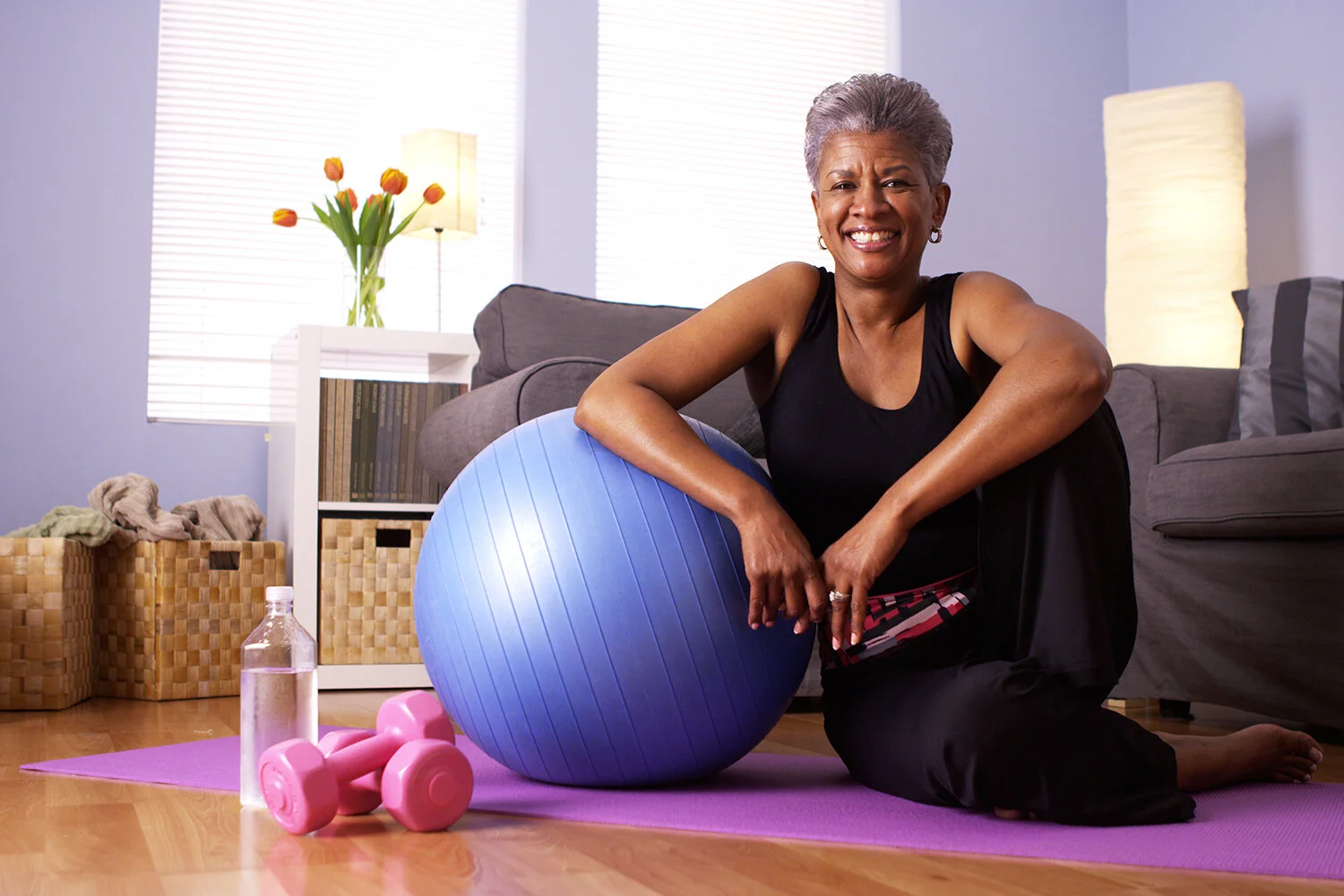
You do not need to spend hours at the gym to challenge your muscles. Simple movements can be effective:
- Sitting down and standing up from a sturdy chair
- Doing wall or counter push-ups
- Using a resistance band
- Carrying moderately heavy grocery bags
- Walking uphill or climbing stairs
Start with a few comfortable repetitions. The goal is not to exhaust yourself. It is to remind your muscles that they are still needed.
4. Muscle Helps Protect Your Independence
Muscle is behind many ordinary actions we rarely appreciate until they become difficult. It helps you rise from a chair, climb stairs, lift a grandchild, carry groceries, get up from the floor, and catch your balance when you stumble.
Strong muscles also support your joints, protect your bones, and improve stability. When people feel weak or afraid of falling, they often begin moving less. Unfortunately, moving less can lead to even greater weakness.
Protecting muscle is not mainly about appearance. It is about protecting your:
- Freedom and mobility
- Balance and confidence
- Energy for everyday activities
- Ability to care for yourself
Strength gives you more choices about how you want to live, whether that means traveling, gardening, playing with your grandchildren, or simply managing your home comfortably.
5. Muscle Responds at Any Age
Here is the genuinely hopeful part: muscle can become stronger when you use it, even in your 70s and 80s.
Your muscles are always listening. When you give them a safe and consistent reason to work, they respond. Two short strength sessions each week using your body weight, resistance bands, light weights, or a sturdy chair can make a meaningful difference over time.
Protein matters too because it provides the building blocks your body needs to maintain and repair muscle. Try spreading protein throughout your day instead of saving most of it for dinner.
Simple options include eggs, Greek yogurt, fish, chicken, beans, lentils, tofu, cottage cheese, or milk. A useful visual guide is roughly a palm-sized portion, adjusted for your appetite and individual health needs.
Do not forget recovery. Restful sleep, enough food, and giving tired muscles time to recover are all part of building strength.

Your Simple Strength Check-In ⤵️
Once a month, notice how your body feels during everyday activities:
✓ Can you stand from a chair without using your hands?✓ Can you carry your usual shopping comfortably?✓ Do you feel steady when changing direction?✓ Can you walk longer without becoming unusually tired?✓ Are your exercises beginning to feel easier?
This is not a pass-or-fail test. It is simply a way to notice changes the bathroom scale cannot show.
One Small Step for This Week ⤵️
Choose one simple strength movement and practise it twice this week. It might be five slow chair stands, a few wall push-ups, or a short resistance-band routine.
Pair that movement with one protein-rich food at each meal. These actions may feel small, but repeated actions are what tell your muscles to stay.
Loosen your grip on the scale and turn more of your attention toward your strength.
Notice how confidently you move, how easily you complete daily tasks, and how much energy you have. These signs can tell you far more about your health and future than a single number on a bathroom scale.
Strength is one of the truest forms of wealth in a long life. It keeps you capable, confident, and free.
And you can begin building it today with a sturdy chair, a little patience, and consistent practice.
— The Daily Wellness Guide