
The “I’m Eating the Same, So Why Am I Gaining Weight?” Question
You’re not imagining it, and you’re not doing it wrong.
It is one of the most frustrating experiences after 50. Your meals have not really changed, your habits feel the same, yet your waistband is telling a different story and the scale is slowly creeping upward.
It is easy to assume that you have somehow lost your discipline or willpower. Before you go anywhere near that thought, please know this: there are real reasons behind the change.
Your body did not suddenly betray you. It simply changed, and no one handed you the updated instructions.
➡️ First, Your Body May Be Burning Less Energy
As we age, we naturally tend to lose some muscle, especially if we are not regularly challenging it. Because muscle uses more energy than body fat, having less of it can reduce the number of calories your body needs each day.
Nothing about your eating has to change for this to matter. The same plate that once matched your needs may now provide slightly more energy than your body regularly uses.
That difference may be small from one day to the next, but it can gradually add up over several months or years.
What changed: Your meals may be the same, but your body’s daily energy needs may not be.
➡️ Then, Hormones Changed Where Fat Is Stored
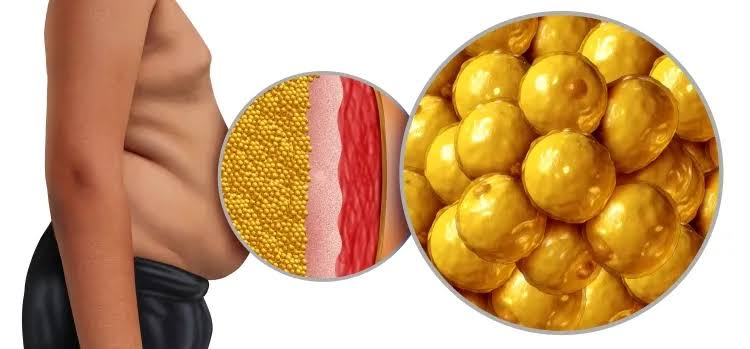
After menopause, lower estrogen levels can affect where the body tends to store fat. More may begin settling around the abdomen instead of the hips and thighs.
This means your shape can change even if the number on the scale has barely moved. Your trousers may feel tighter at the waist while the rest of your clothes still fit normally.
This change is common, but that does not mean there is nothing you can do. Strength training, daily movement, balanced meals, quality sleep, and stress management can all support your health even when your natural body shape has shifted.
➡️ Your Portions May Have Drifted Without You Noticing
Most of us do not carefully measure everything we eat, nor should we have to. But portions can gradually become larger over time.
It may be:
- A bigger bowl at breakfast
- An extra spoonful of oil while cooking
- A more generous serving of cheese or dressing
- Frequent tastes and bites while preparing food
- A larger evening snack after a tiring day
None of these choices is “bad.” The point is simply that small additions are easy to overlook, especially when the main meals still appear unchanged.
Rather than counting every calorie, try checking in halfway through a meal. Ask yourself, “Am I still hungry, or am I continuing because the food is here?” That brief pause can help you reconnect with your body’s signals without turning meals into a strict set of rules.
➡️ Sleep and Stress May Be Working in the Background
Weight is not determined by food and exercise alone. Sleep and stress affect appetite, energy, cravings, and how willing you feel to move.
After a poor night’s sleep, you may feel hungrier and more drawn to quick, comforting foods. You may also have less energy for walking, cooking, or exercising. During stressful periods, eating can become one of the easiest ways to find a moment of comfort.
This is why a genuinely difficult season of life may eventually show up in your weight, even if you never made one clear decision to change your habits.
This is not a failure of willpower. It is a tired or stressed body trying to get through the day.

➡️ Everyday Movement May Have Quietly Decreased
Exercise is only one part of daily movement. A large amount of energy is used through ordinary activities such as walking around the house, running errands, climbing stairs, gardening, cleaning, and standing.
Retirement, working from home, sore joints, colder weather, or a busier schedule can gradually reduce these small movements. The difference may be hard to notice from one day to the next, but it can become meaningful over an entire week.
You do not necessarily need an intense workout to address it. Small additions count:
- Take a 10-minute walk after a meal.
- Stand and stretch during long periods of sitting.
- Use the stairs when it feels comfortable.
- Walk around while speaking on the phone.
The goal is not to burn off every meal. It is simply to bring movement back into parts of the day where it may have disappeared.
➡️ What Is Not on This List
Notice what we have not mentioned:
Laziness. Greed. Weakness. Failure.
Your changing weight is not a judgment of your character. It is usually the result of several small biological and lifestyle changes happening at the same time.
You have not done anything wrong. Your body has changed, and your approach may need to change with it.
➡️ The Gentle Update Your Body Needs
The answer is usually not to eat as little as possible or begin another punishing diet. Extreme plans may produce short-term results, but they are difficult to maintain and can make it harder to protect muscle.
Instead, focus on a few helpful adjustments:
» Protect your muscle. Add simple strength exercises twice a week using resistance bands, light weights, or your body weight.
» Build more satisfying meals. Include protein, fiber-rich vegetables or fruit, and a source of healthy fat so your meals keep you satisfied for longer.
» Add easy movement. A short walk after meals can support digestion, blood sugar management, and your overall activity level.
» Pay attention to sleep and stress. Better rest will not solve everything, but it can make hunger, energy, and decision-making feel more manageable.

Start With One Change
You do not need to fix everything this week. Choose one realistic step:
✓ Add protein to breakfast.✓ Take a short walk after dinner.✓ Complete one simple strength session.✓ Make bedtime 20 minutes earlier.
Repeat that action until it begins to feel normal. Then add another.
The goal is not to force your body back to how it worked at 30. It is to understand the body you have now and give it what it needs today.
Work with your changed body rather than fighting against it. That shift, more than any crash diet, is often what creates progress that finally lasts.
— The Daily Wellness Guide