
The 5 Everyday Movements You Don’t Want to Lose
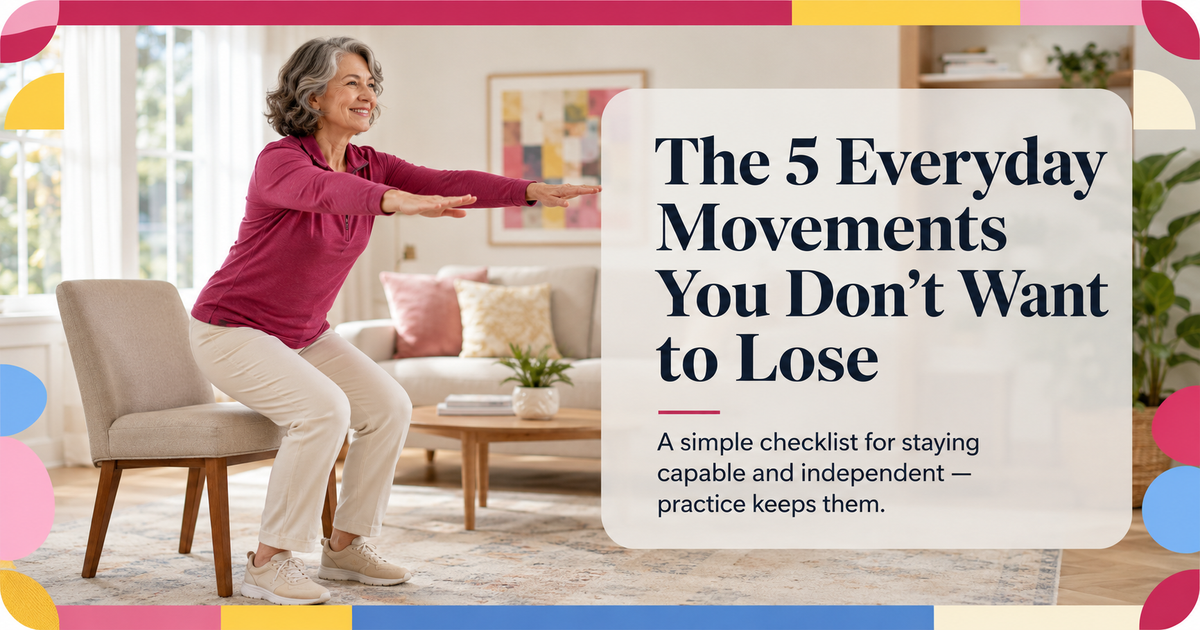
A simple checklist for staying capable and independent.
Some abilities are so ordinary that we never give them a second thought until, one day, one of them quietly starts to feel harder.
The encouraging truth is that everyday movements behave like other skills. Regular practice helps keep them available, while avoiding them can slowly allow strength, balance, and mobility to fade.
This is not a story about decline being inevitable. It is about gently protecting what you already have so ordinary life stays easier and independence stays yours.
Here are five movements worth keeping, along with simple ways to practise each one without needing a gym.
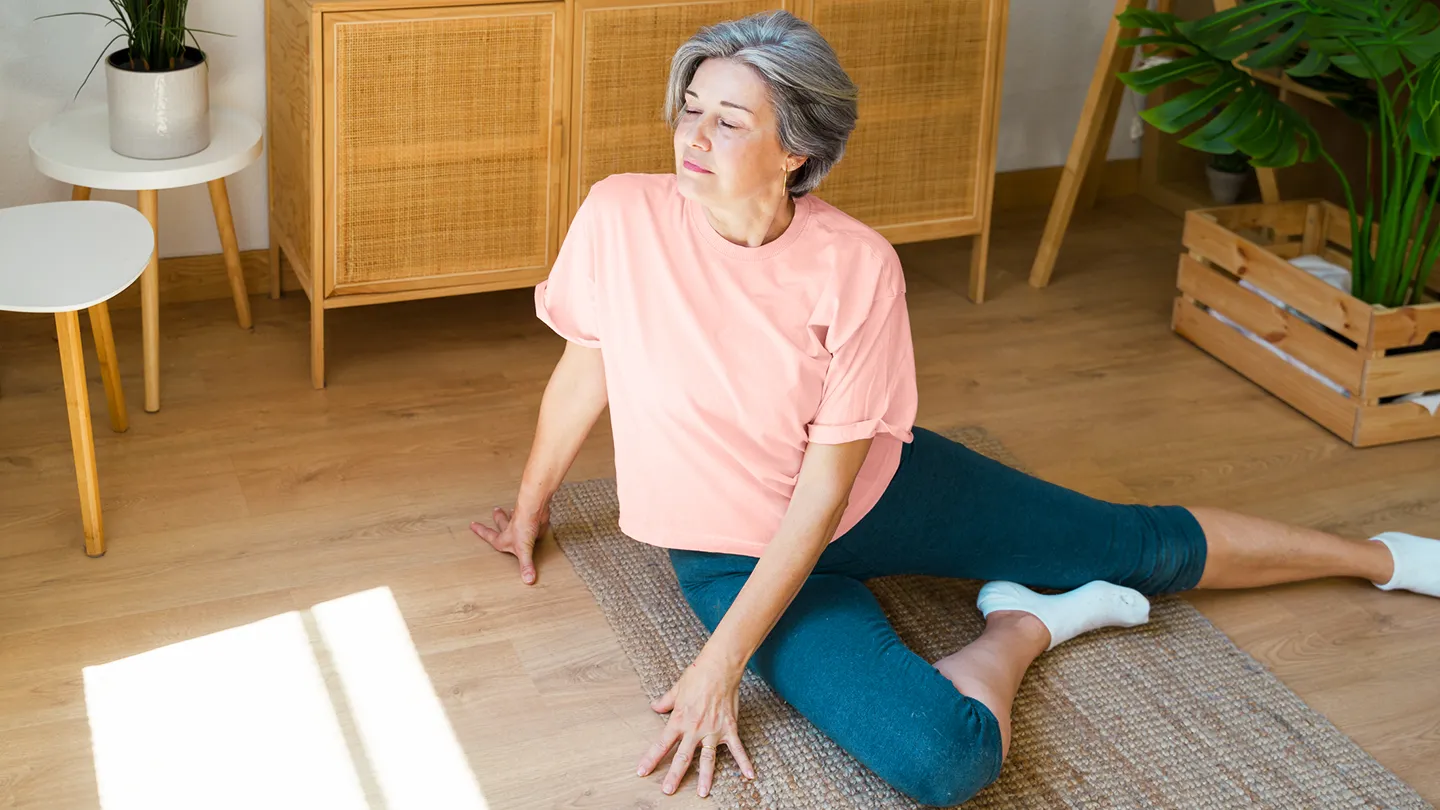
📌 1. Getting Up From the Floor
This is one of the clearest tests of independence because it uses strength, balance, coordination, and flexibility at the same time.
It is also one of the first movements people quietly stop doing. Unfortunately, the less often we practise it, the more unfamiliar and difficult it can become.
Why it matters: It helps you reach a dropped item, play with a grandchild, tend to something near the floor, or get back up safely after a fall.
Try this: Place a sturdy chair beside you. Carefully lower yourself toward the floor using the chair for as much support as needed. Pause, then return to standing slowly.
You do not need to do it without help. Using your hands, a chair, or the sofa is completely fine. The goal is to keep practising the movement safely, not to prove anything.
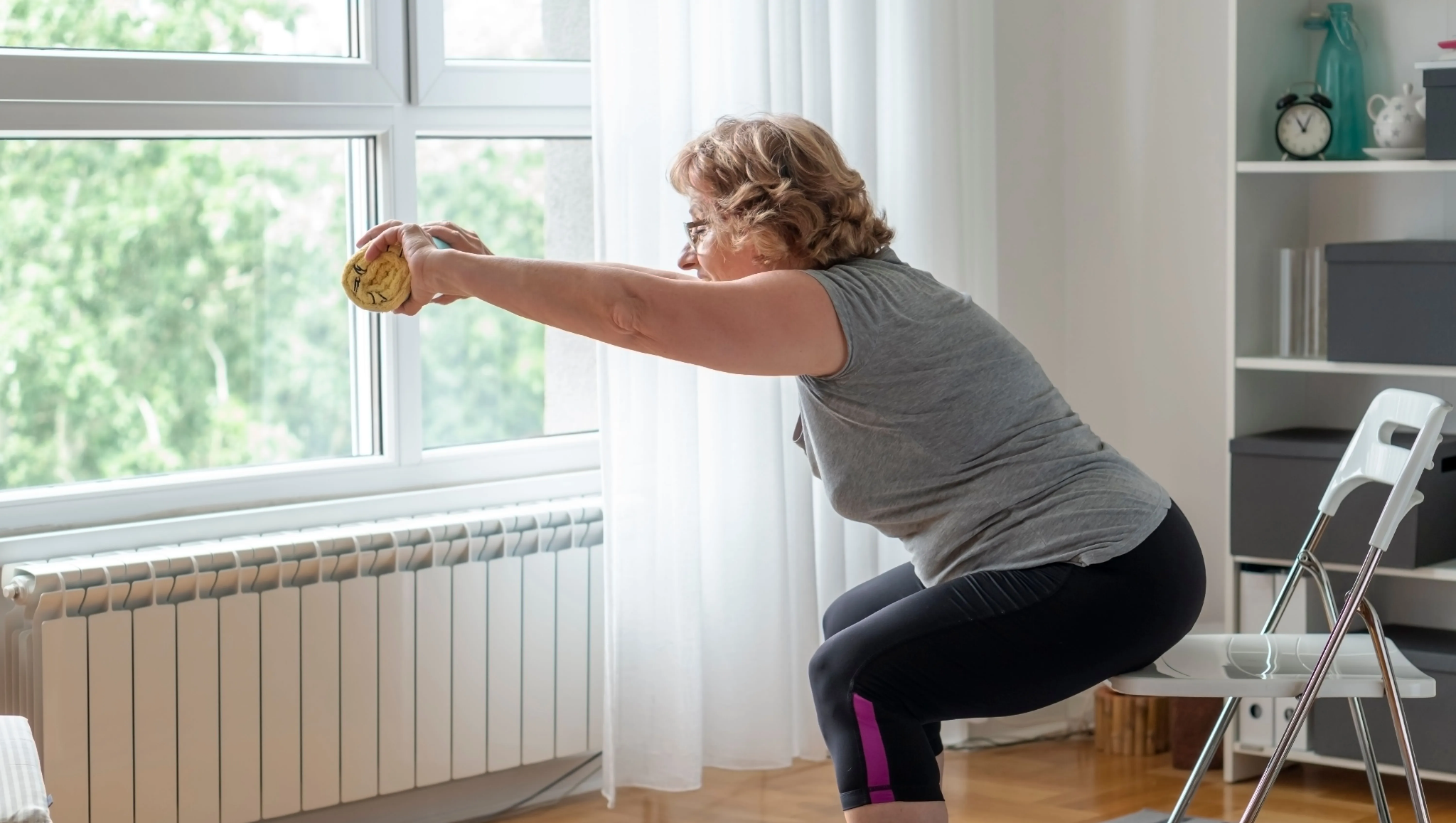
📌 2. Rising From a Chair Without Using Your Hands
Standing from a chair depends heavily on the strength of your legs, hips, and core. These are the same muscles you use when climbing stairs, getting out of a car, or rising from the garden.
Try this simple sit-to-stand:
- Sit near the front of a firm chair.
- Place your feet flat on the floor.
- Lean forward slightly and stand using your legs.
- Lower yourself slowly and with control.
Complete a few comfortable repetitions. If you need your hands at first, use them. As you become stronger, try using less assistance.
Helpful habit: Practise three to five repetitions before breakfast, lunch, or dinner. Connecting the movement to a regular activity makes it easier to remember.

📌 3. Reaching Overhead
Putting away dishes, hanging clothes, reaching a high shelf, and washing your hair all depend on comfortable shoulder movement.
Shoulders can gradually stiffen when they are not regularly moved through their available range. You may begin compensating by arching your back or avoiding overhead tasks altogether.
Try this: Stand or sit tall and slowly raise both arms overhead as far as feels comfortable. Lower them with control. You can also add gentle arm circles or slide your hands up a wall.
The movement should feel smooth, not forced. If you experience sharp pain, do not push through it.
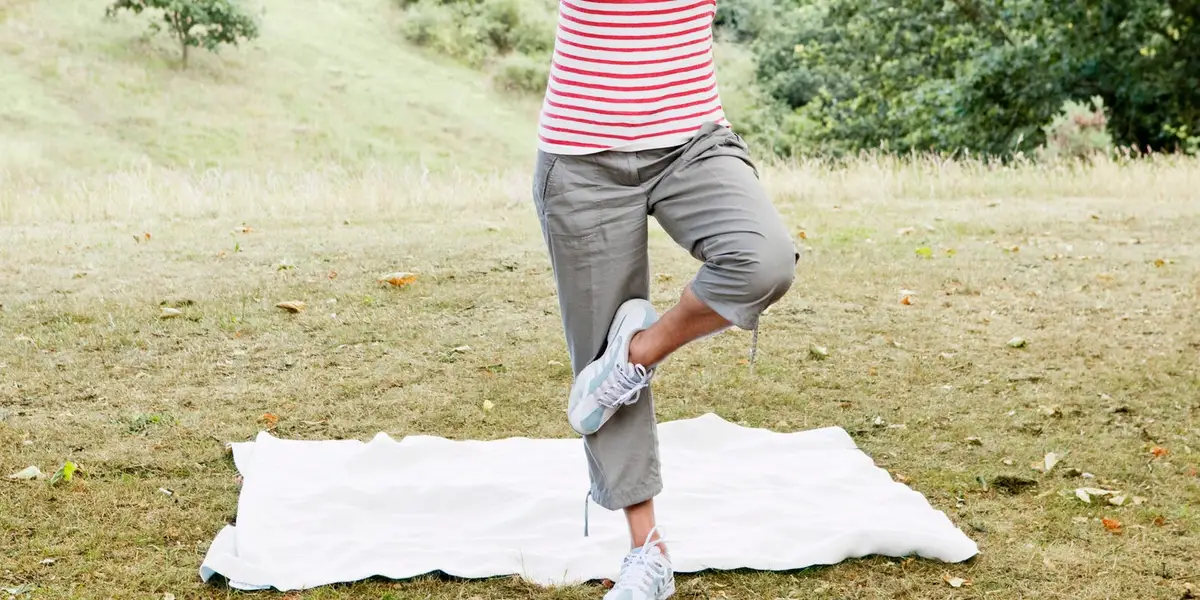
📌 4. Balancing on One Foot
Every step you take includes a brief moment of standing on one leg. That makes single-leg balance important for walking, using stairs, stepping over obstacles, and recovering from a small stumble.
Balance can fade when it is not practised, but even short and regular sessions can help.
Try this: Stand beside a kitchen counter or sturdy chair. Hold on, lift one foot slightly, and balance on the other leg for a few seconds. Repeat on the opposite side.
As it becomes easier, you can:
- Use only your fingertips for support.
- Hold the position a little longer.
- Practise a slow heel-to-toe walk beside a counter.
Always keep something stable within reach. Balance practice should build confidence, not create unnecessary risk.

📌 5. Carrying Something While Walking
Think about groceries, a laundry basket, a watering can, or a small suitcase. Carrying while walking uses grip strength, arm strength, core stability, posture, and balance together.
It may seem like an ordinary task, but it supports many parts of independent living.
Try this: Hold a comfortable weight in each hand, such as two light grocery bags or water bottles. Walk slowly across the room and back while keeping your shoulders relaxed and your posture tall.
Start light. The weight should feel manageable enough that you can walk without leaning, holding your breath, or losing your balance.
Why it matters: Strong hands and a steady core support far more of daily life than we usually notice.
Your Quick Movement Check-In ⤵️
Run through this checklist every few weeks:
☐ Can I get down to the floor and back up with support?☐ Can I rise from a firm chair comfortably?☐ Can I reach overhead without sharp pain?☐ Can I balance briefly with support nearby?☐ Can I carry a light object while walking steadily?
This is not a test you pass or fail. It is simply a way to notice which movements feel comfortable and which ones may need more attention.
Make Practice Part of Your Normal Day
You do not need to complete all five movements in one session. Attach them to things you already do:
- Practise balance while waiting for the kettle.
- Complete a few chair stands before a meal.
- Add overhead reaches after getting dressed.
- Carry light bags with tall, steady posture.
- Practise getting up from the floor once or twice a week.
A few minutes of regular practice is more useful than one difficult session you never want to repeat.
If one movement feels harder than it used to, do not treat it as a verdict or something to fear. Think of it as an honest invitation to practise that skill a little more often.
If you feel unsteady, have a history of falls, or experience pain during these movements, ask a healthcare professional or physical therapist for guidance before practising alone.
Keep these five movements, and you help protect the everyday freedom they make possible: moving confidently, caring for yourself, and continuing to participate fully in the life you enjoy.
— The Daily Wellness Guide