Should Women Over 50 Be Worried About Sodium?
A simple "do this, not that" guide to managing salt without misery.
Sodium deserves a little more attention as we get older. Blood pressure tends to rise with age, and hormonal changes around menopause can also affect cardiovascular health. Consistently eating too much sodium can contribute to high blood pressure, which increases the risk of heart disease and stroke.
But managing sodium doesn't mean giving up flavorful food or banishing the salt shaker. Often, it's the small, everyday choices that make the biggest difference. Here's a simple do-this-not-that guide to keeping sodium in check without making meals feel like a chore.

⚠️ Don't: Worry only about the salt shaker
Do: Pay attention to sodium hidden in everyday foods.
It's easy to focus on the salt you add while cooking, but much of the sodium in many diets comes from packaged foods, restaurant meals and prepared sauces.
Bread, canned soups, deli meats, ready meals and condiments can all contribute more sodium than you might expect. Even foods that don't taste particularly salty can contain substantial amounts.
You don't necessarily need to stop seasoning your home-cooked meals. Instead, start by noticing where most of your sodium is coming from. That's often where a few simple changes can make the biggest difference.
⚠️ Don't: Rely on ready meals and processed foods every day
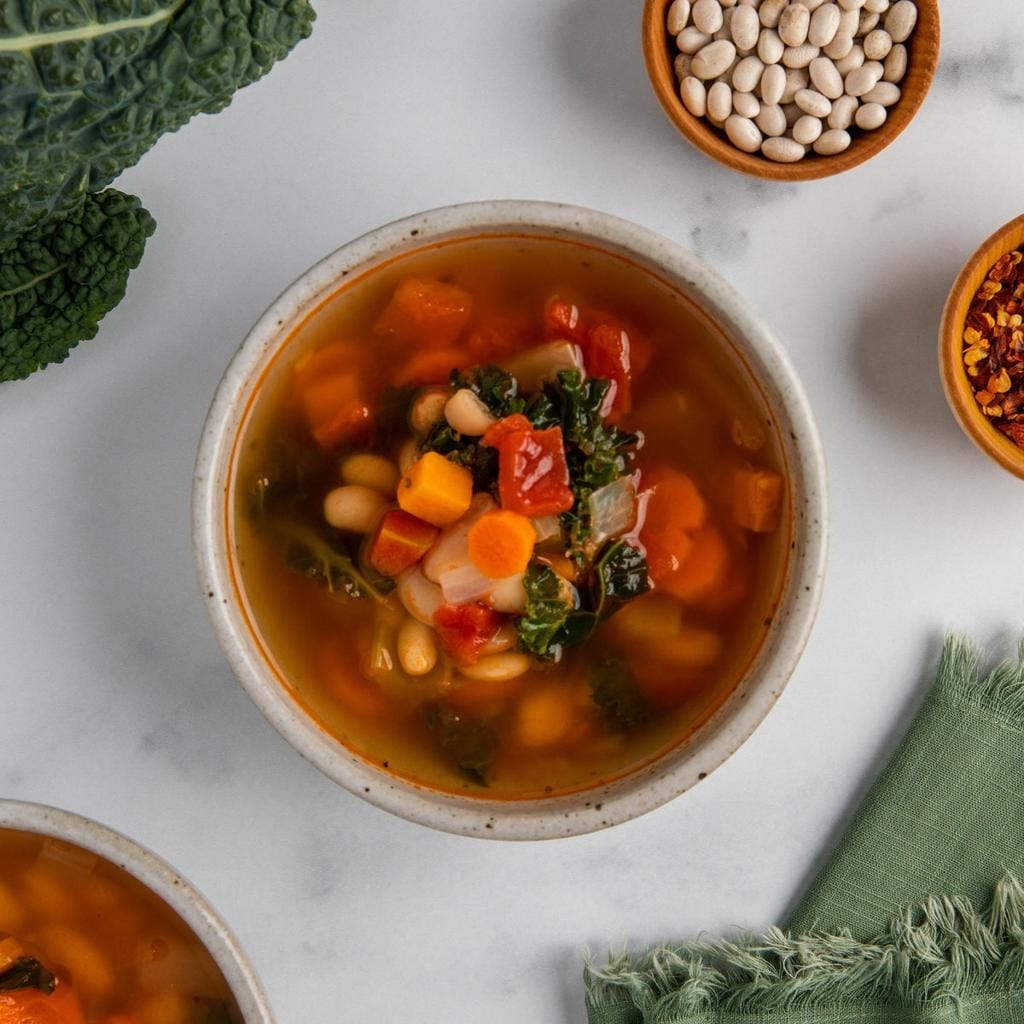
Do: Prepare more meals from fresh or minimally processed ingredients.
Ready meals, canned soups, processed meats and some takeaway dishes can be surprisingly high in sodium.
Cooking more often at home gives you greater control over how much salt goes into your food. You can build meals around vegetables, beans, whole grains, eggs, fish and other minimally processed ingredients.
You don't have to cook everything from scratch. Choosing a lower-sodium soup, rinsing canned beans or making a simple homemade sauce can be useful starting points.
⚠️ Don't: Ignore food labels
Do: Compare sodium levels when you shop.
A quick glance at the nutrition label can reveal considerable differences between similar products.
Compare the sodium content of two brands of bread, soup or pasta sauce, paying attention to the serving size. Choosing the lower-sodium option can be an easy way to reduce your intake without changing the foods you enjoy.
If a product is labeled low sodium, check what that means on the packaging rather than relying on the front-of-pack claims alone.
⚠️ Don't: Reach for salt to make everything taste better
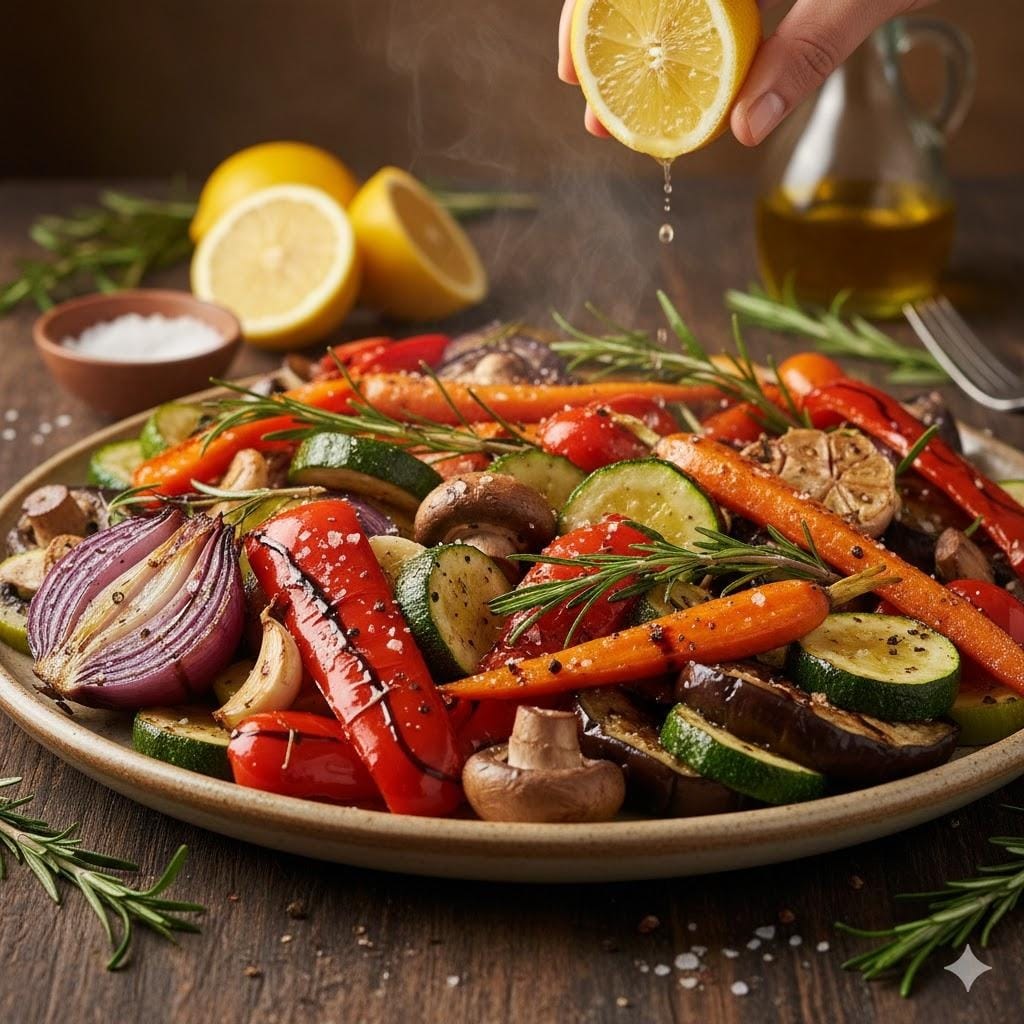
Do: Experiment with herbs, spices, lemon and vinegar.
Salt isn't the only way to bring out flavor. Garlic, ginger, fresh herbs, citrus and vinegar can make meals delicious without adding much sodium.
Try adding lemon juice to vegetables, smoked paprika to roasted potatoes or fresh herbs to soups and salads. Small changes like these can make reducing salt feel less restrictive.
Over time, your taste preferences may also adjust, making less salty foods more enjoyable.
⚠️ Don't: Focus only on reducing sodium
Do: Include potassium-rich foods, too.
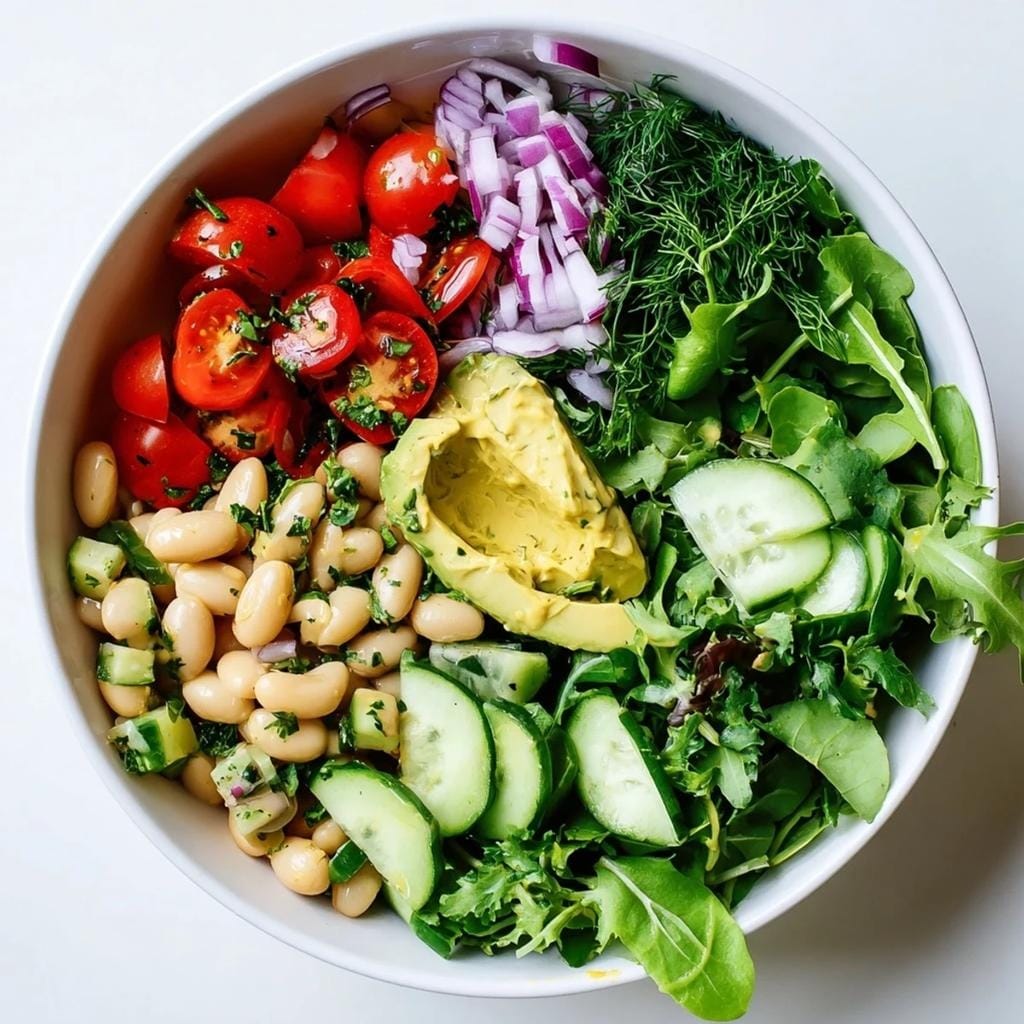
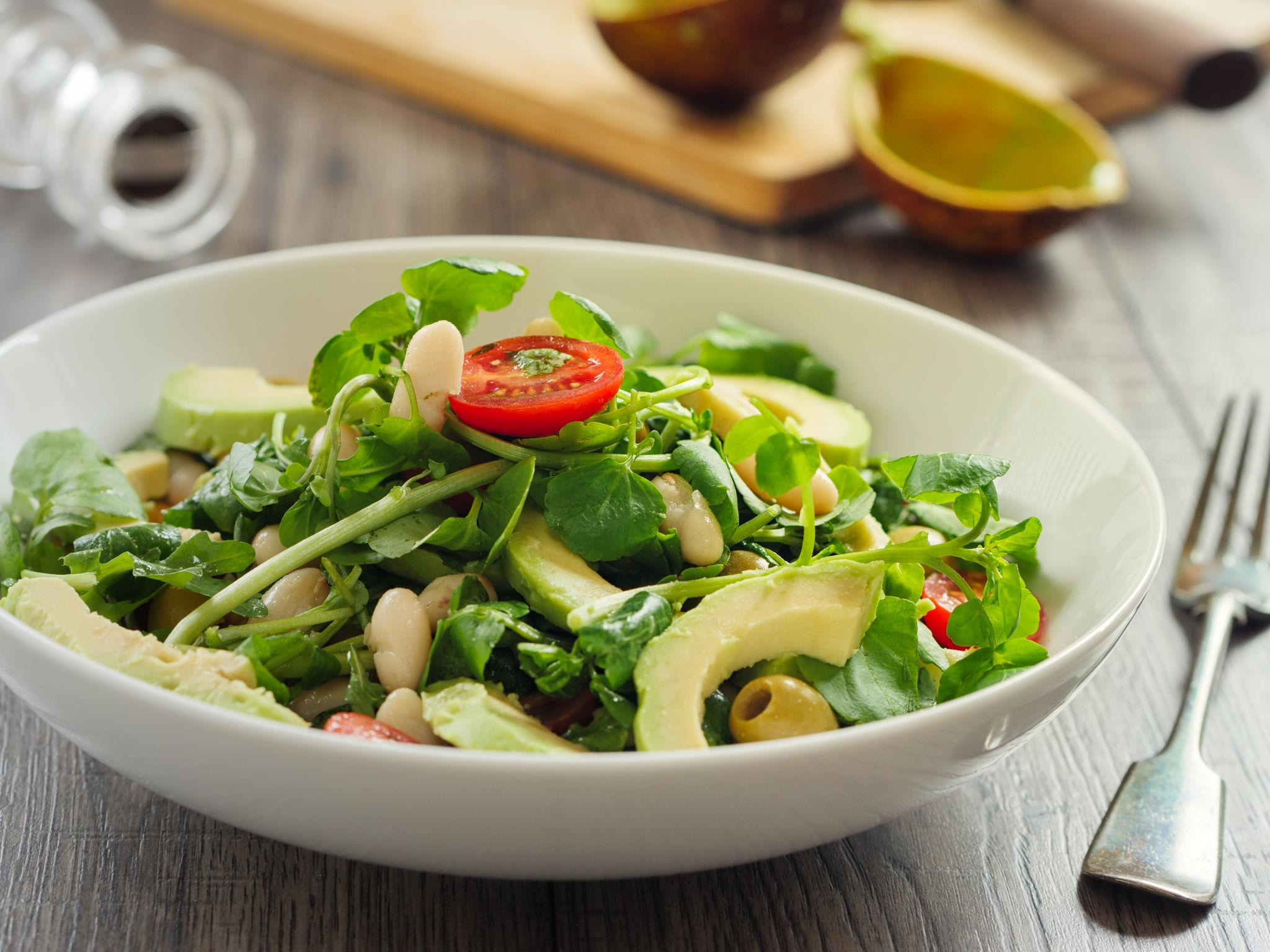
Potassium helps counter some of sodium's effects on blood pressure. You can find it in everyday foods such as leafy greens, potatoes, beans, tomatoes, bananas and yogurt.
Rather than concentrating only on what to cut back on, think about what you can add to your meals. Including a variety of fruits and vegetables is a practical way to support a heart-healthy eating pattern.
One important caution: if you have kidney disease or take certain medications, your body may have difficulty regulating potassium. Check with your healthcare professional before significantly increasing your intake or using potassium-based salt substitutes.
⚠️ Don't: Try to eliminate salt entirely
Do: Aim for a sensible amount that suits your health.
Your body needs some sodium to function, so there's no need to fear every pinch of salt. The goal is to avoid consistently consuming more than you need.
For most adults, the American Heart Association recommends no more than 2,300 mg of sodium a day, with an ideal goal of 1,500 mg for many adults. Individual needs can vary, particularly if you have certain medical conditions or receive specific dietary advice.
If you have high blood pressure, kidney disease or heart failure, ask your healthcare professional what sodium target is appropriate for you.
“Eating well isn't about taking all the flavor away. It's about finding a balance that helps you feel good.”
— The Daily Wellness Guide