Is Inflammaging the Reason You Feel Older?
Your questions about the science buzzword, answered simply.
There’s a term popping up more and more in healthy-aging conversations: “inflammaging.” It sounds a bit alarming and very science-y, but behind the jargon is a genuinely useful idea — and some real, hopeful power in your own hands. So what is it, is it why you feel older than your years, and what can you actually do? Let’s answer the questions people are asking, in plain English.
🎯 Q: What on earth is “inflammaging”?
It’s a blend of “inflammation” and “aging,” and it describes a low, simmering level of inflammation that tends to become more common with age. Not the acute, helpful inflammation that heals a cut or fights an infection — that’s good and temporary. This is a chronic, low-grade background process that researchers are studying because it may contribute to several age-related changes and diseases.
🎯 Q: Is it the reason I feel older than I’d like?
It can play a part, but it’s not the whole story. Chronic inflammation is associated with conditions affecting joints, the cardiovascular system, metabolism, and the brain. But feeling older can also reflect sleep, fitness, muscle mass, hormones, stress, medical conditions, and many other factors. So inflammaging may be one contributor — not an explanation for everything.
🎯 Q: What causes it to build up?
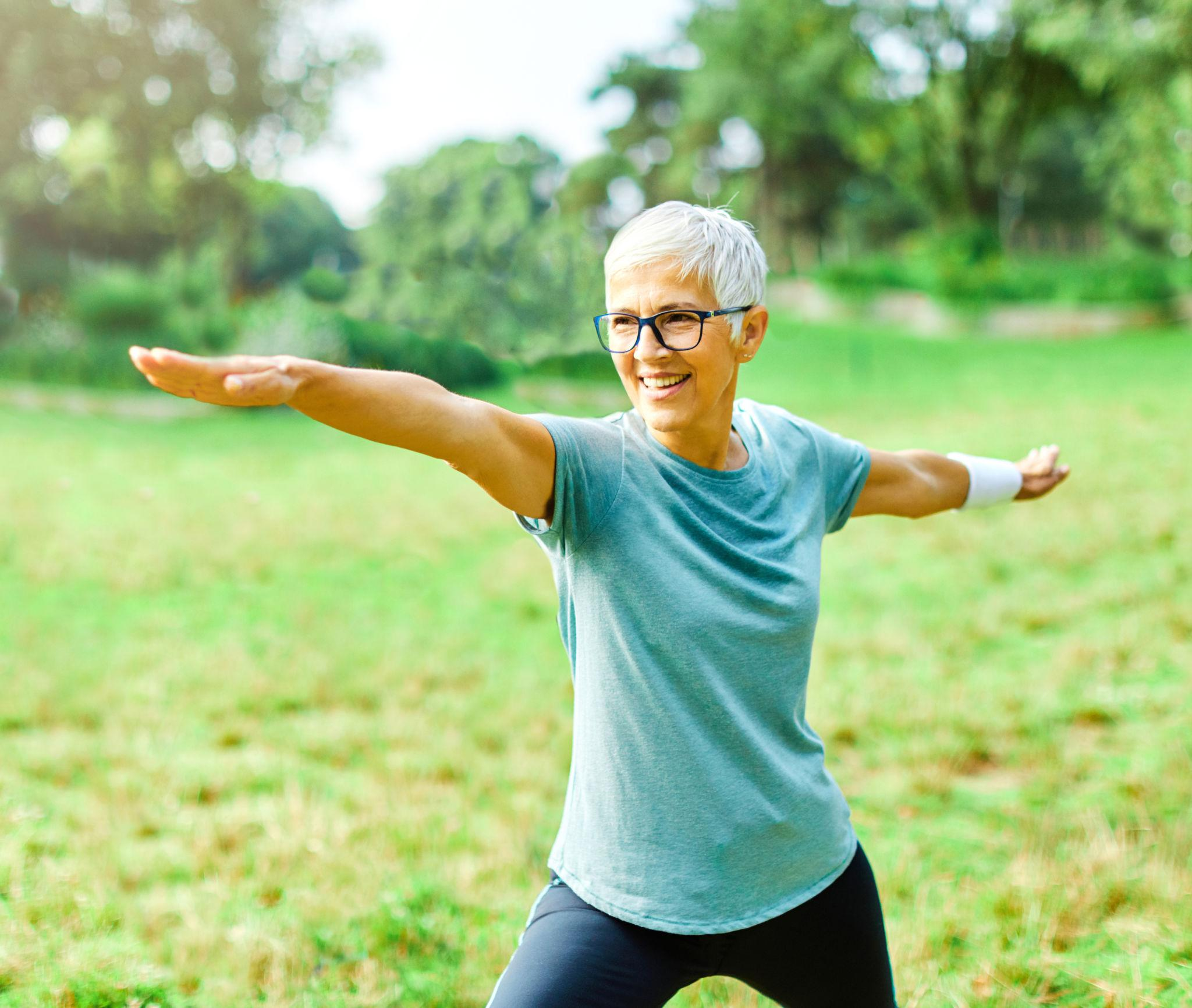
Several familiar factors can contribute to chronic inflammation: smoking, physical inactivity, excess body fat, poor sleep, chronic stress, and a diet low in nutritious whole foods and high in heavily processed foods. Some causes, such as certain illnesses, are obviously not under our control. Notice a theme — many of the modifiable factors overlap with the basics of healthy living.
🎯 Q: So can I actually do something about it?
Yes — genuinely. You can’t stop aging, but you can influence several of the factors associated with chronic inflammation. And you don’t need expensive products or a complicated wellness routine to do it.
🎯 Q: What actually helps calm it?
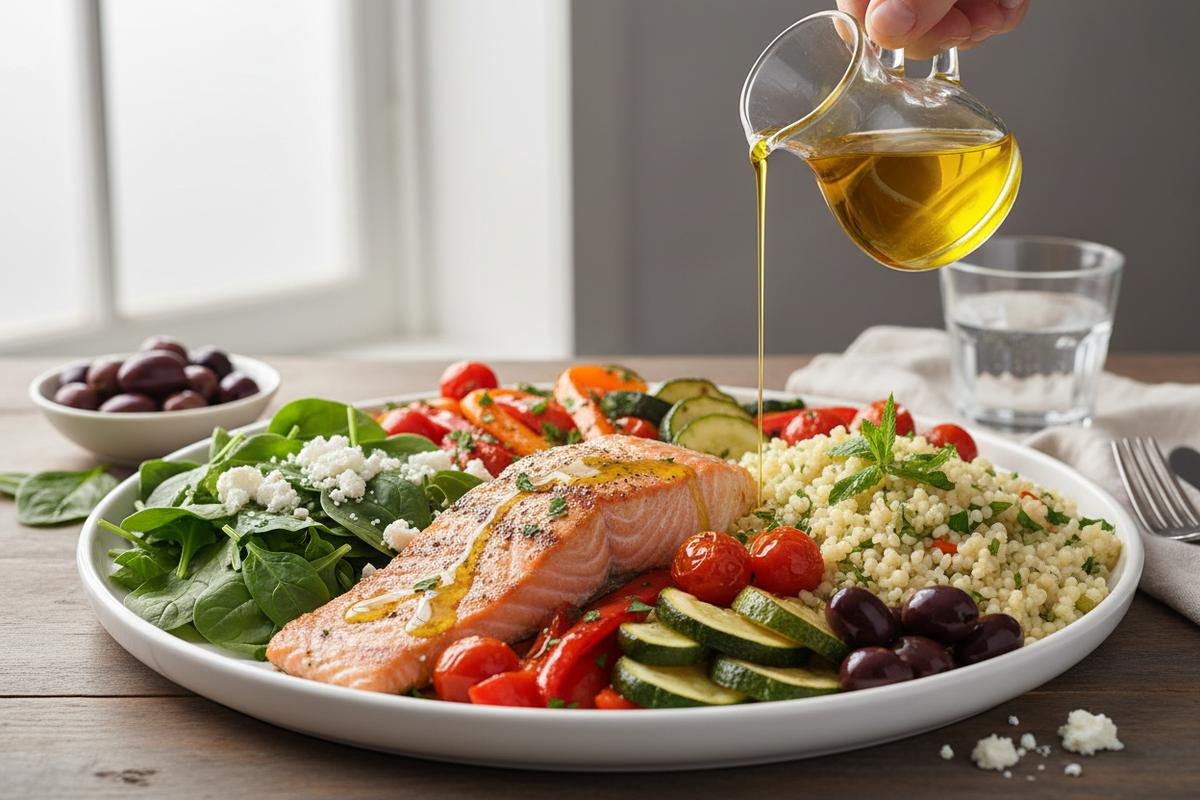
The wonderfully familiar basics: Move regularly — physical activity is associated with lower levels of chronic inflammation. Eat a nutrient-rich diet — lots of vegetables and fruit, oily fish, olive oil, nuts, beans, and whole grains, much like a Mediterranean-style pattern. Prioritize sleep, because consistently poor sleep is associated with higher inflammatory activity. Manage stress and don’t smoke. If you carry excess weight, gradual, sustainable weight loss can also improve several markers of inflammation.
🎯 Q: Should I buy “anti-inflammatory” supplements for it?
Be skeptical. Some supplements have been studied, but evidence varies considerably and they aren’t a substitute for the basics. If you take medications or have a medical condition, supplements can also interact with treatment. Save your money for nutritious food first.
🎯 Q: What’s the single most reassuring thing to know?
That you’re not powerless. Inflammaging is a research concept, not a diagnosis or a countdown clock. Many of the factors associated with chronic inflammation are also things you can influence — which means your everyday choices can support healthier aging.
The honest takeaway: inflammaging — the idea that low-grade chronic inflammation becomes more common as we age — may contribute to some age-related health changes, but it certainly isn’t the whole story of getting older. And that’s actually reassuring. You don’t need to “hack” aging or buy an expensive anti-inflammatory product. Moving regularly, eating plenty of colorful whole foods, sleeping well, managing stress, and not smoking are the quiet basics that keep showing up for a reason.
So don’t fear the science-y buzzword. Think of it as one more reminder that the ordinary things you do every day can genuinely support how you feel and age.
— The Daily Wellness Guide