
Is Eating More Plant Variety Worth the Effort?
What the research says about mixing up your plants — explained simply.
We’re often told to “eat your vegetables.” But nutrition research has become interested in a slightly more specific question:
How many different plants are you eating?
That distinction matters because a plate full of plants can still be surprisingly repetitive. You might eat vegetables every day but rely on the same three or four favorites.
So is variety actually worth thinking about? The answer is yes — but you don't need to turn your meals into a numbers game.
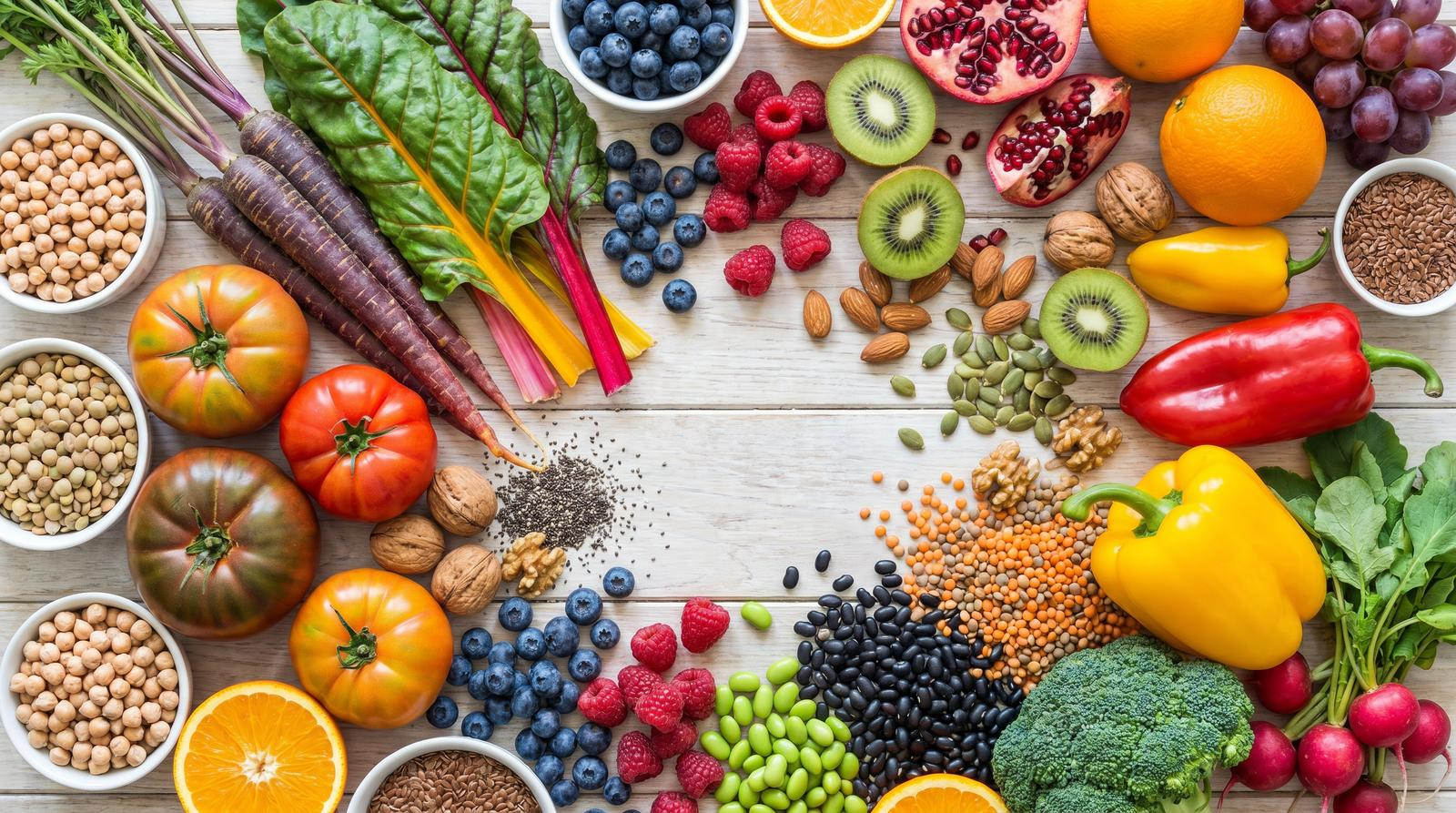
💡The 30-plant idea — and what it really means
You may have heard about the “30 plants a week” goal.
The idea became popular after research from the American Gut Project found an association between eating a greater variety of plant foods and having a more diverse gut microbiome. People reporting 30 or more different plant foods per week tended to have more diverse gut microbes than those reporting fewer than 10.
That finding was fascinating, but there’s an important qualification:
It was an observational study.
🔎 In other words, it showed a relationship between plant variety and microbiome diversity; it didn't prove that eating exactly 30 plants causes a healthier microbiome.
So don't treat 30 as a magic biological cutoff.
Think of it as a fun reminder to diversify.
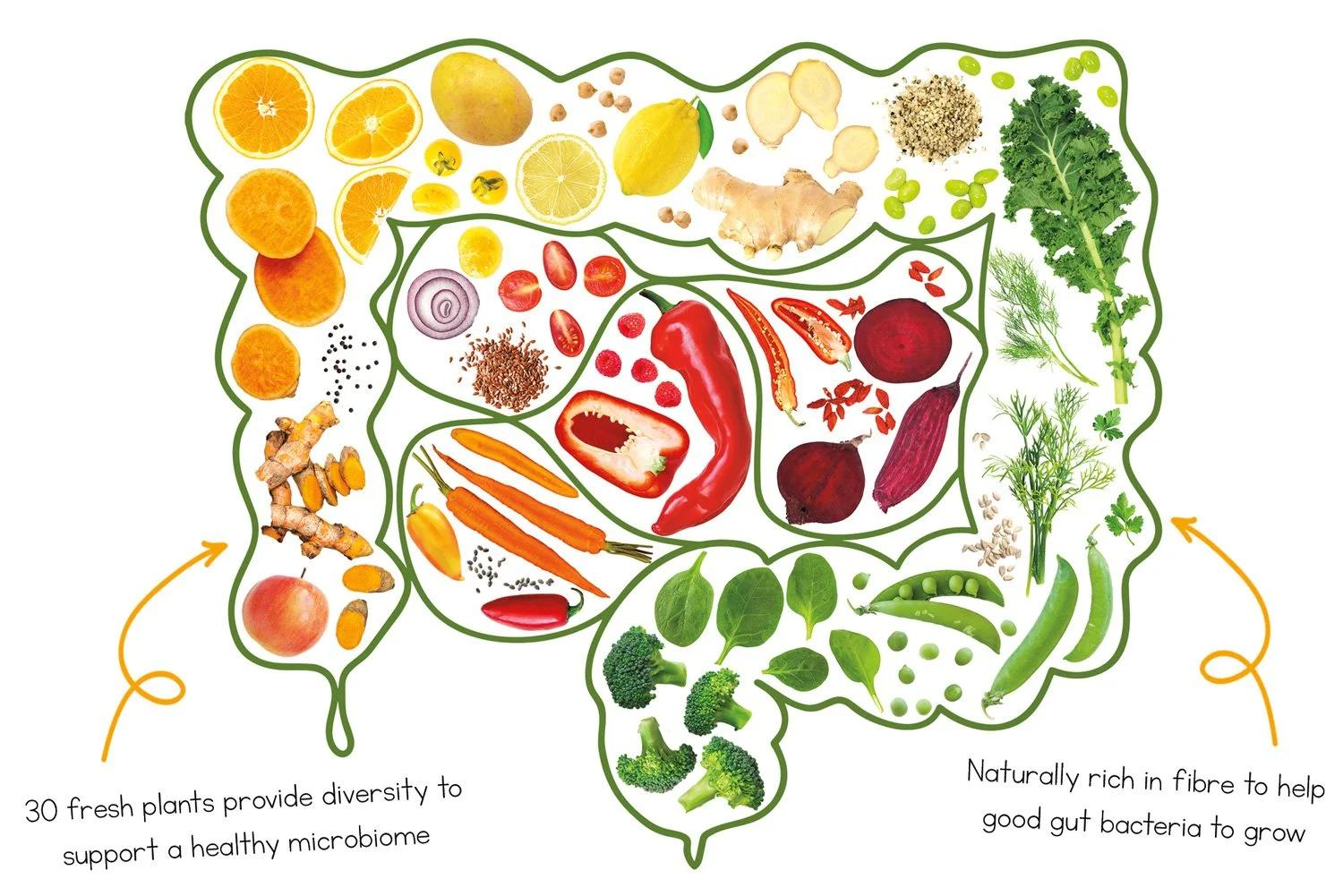
💬 Why might variety matter?
Different plants contain different combinations of fiber and other compounds that our gut microbes can use.
Beans aren't identical to berries. Oats aren't identical to broccoli. Walnuts aren't identical to lentils.
The greater the variety of plant foods in your diet, the greater the variety of fibers and plant compounds you're potentially giving your gut microbes to work with.
And that matters because dietary fiber is an important fuel source for many beneficial gut microorganisms.
But there's another advantage that's much less trendy — and much more straightforward.
Different plants bring different nutrients.
Spinach brings nutrients that aren't identical to those in sweet potatoes.
Beans offer a different nutritional package from apples.
Nuts and seeds contribute different fats, minerals, fiber, and plant compounds from whole grains.
Eating a broad selection makes it easier to build a diet with nutritional breadth rather than relying on the same foods day after day.
And the colors really do matter
The different colors in plant foods often come from different phytochemicals — naturally occurring plant compounds with biological effects.
That doesn't mean you need to memorize which pigment does what.
It's much easier to remember:
Red. Orange. Yellow. Green. Blue. Purple.
A colorful plate naturally encourages you to mix different plant foods.
And plant variety fits beautifully with dietary patterns such as the Mediterranean-style diet, which emphasizes vegetables, fruit, legumes, whole grains, nuts, seeds, and other minimally processed plant foods.
But here's the part that makes 30 plants much less intimidating
You don't need 30 different vegetables.
In fact, herbs, spices, beans, lentils, nuts, seeds, fruits, vegetables and whole grains can all contribute to variety.
Imagine a simple day:
- Oats and chia seeds at breakfast
- Blueberries and walnuts
- Lentil soup with carrots, tomatoes, celery and onions
- Whole-grain bread
- A salad with spinach, cucumber and peppers
- An apple
- Dinner with brown rice, broccoli and garlic
- A sprinkle of parsley or sesame seeds
Suddenly, you've accumulated quite a collection without eating anything exotic.
The goal isn't to make every meal complicated.
It's to stop eating the same small handful of plants on repeat.
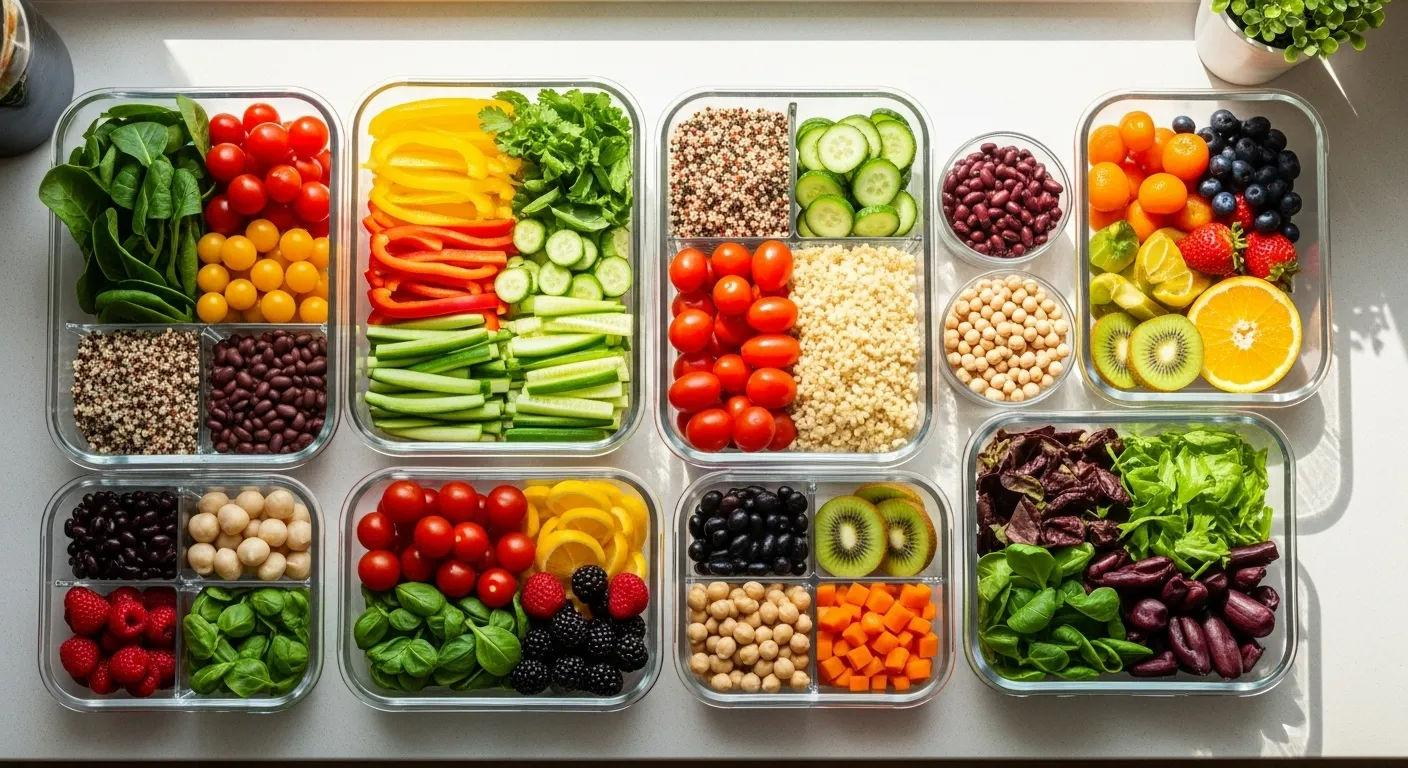
✅️ Four easy ways to increase your plant variety
1. Buy one new plant each week.A fruit, vegetable, bean, grain, nut or seed you've never tried counts.
2. Use mixed foods.Mixed frozen vegetables, bean blends, grain mixes and bags of salad greens make variety almost effortless.
3. Rotate your staples.If you always eat broccoli, try cauliflower or cabbage sometimes. If you always use chickpeas, try lentils or black beans.
4. Count the little things.Fresh herbs, seeds, nuts and spices can add variety without requiring a completely different meal.
And don't forget that frozen, canned and dried plant foods can absolutely be useful choices. Healthy eating doesn't require an expensive trip to a specialty grocery store.
So, do you need exactly 30?
No.
There isn't evidence that your health suddenly improves when plant number 30 enters your diet.
If you're currently eating a fairly narrow range of plant foods, getting from 8 different plants to 15 is already a meaningful step toward greater variety.
And if you naturally reach 30? Wonderful.
The number is a nudge, not a test.
The bigger principle is simply:
More variety is generally better than eating the same few plants over and over.
💡 The science, translated simply: yes, plant variety is worth the effort. Research links greater plant-food diversity with a more diverse gut microbiome, while the nutritional benefits of eating a broad range of plants are much more straightforward. But don't get hung up on hitting exactly 30.
Instead, look at your shopping basket.
If it's mostly the same foods every week, add something different.
A new bean. A different grain. A handful of seeds. A fruit you've never bought. A vegetable in a color you don't normally choose.
You don't need a perfect diet. You just need a more interesting one.

— The Daily Wellness Guide