Is Barre Actually a Good Workout After 50?
Seven quick facts about the ballet-inspired workout everyone's trying.
Barre classes, with their ballet-inspired movements, gentle pulses and graceful stretches, have become increasingly popular. And many women over 50 are curious: Is this elegant-looking workout actually effective, or is it more style than substance?
The answer is that barre can offer some real benefits, particularly for strength, balance and muscular endurance. But it's not a complete fitness solution. Here are seven things worth knowing before you give it a try.
1. It's a blend, not just ballet
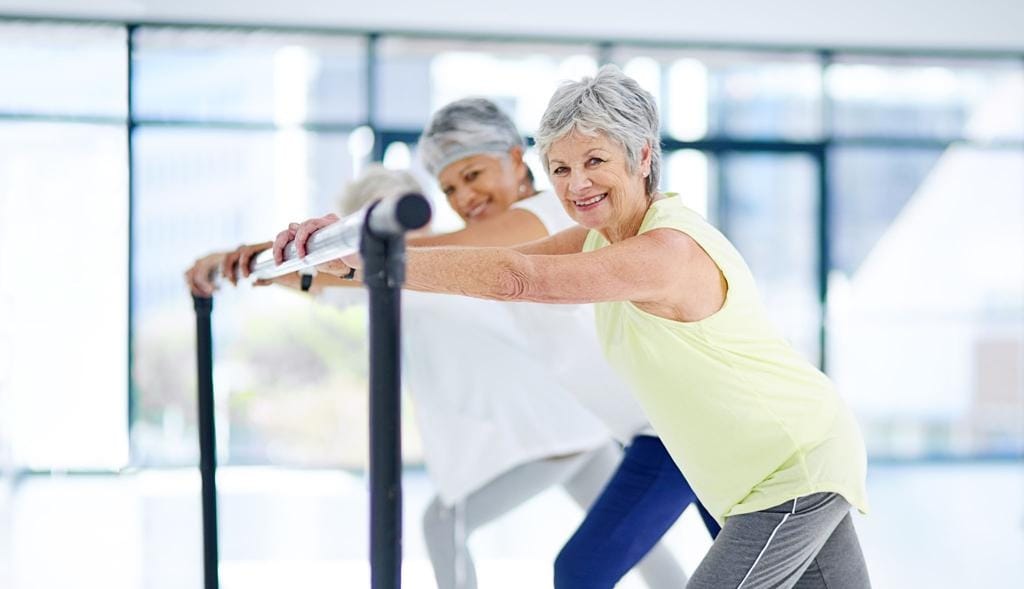
Despite its name, barre isn't simply a ballet class. It combines elements of ballet, Pilates and strength training, using controlled movements, small ranges of motion and repeated exercises.
You don't need dance experience or perfect coordination to participate. Many classes are designed for beginners, and the movements can be adapted to different fitness levels.
Those small pulses may look easy, but holding a position and repeating tiny movements can make your muscles work surprisingly hard.
2. It's often low-impact
One appealing feature of barre is that most classes avoid jumping and other high-impact movements. Many exercises are performed standing, seated or on a mat, with a barre or chair available for support.
This can make barre a comfortable option for people who prefer lower-impact exercise. However, low-impact doesn't automatically mean pain-free. Deep knee bends, prolonged standing or certain positions may still aggravate sensitive joints.
If you have arthritis, joint pain or balance difficulties, look for a class that offers modifications and let the instructor know what you need.
3. It challenges muscles that help you stabilize
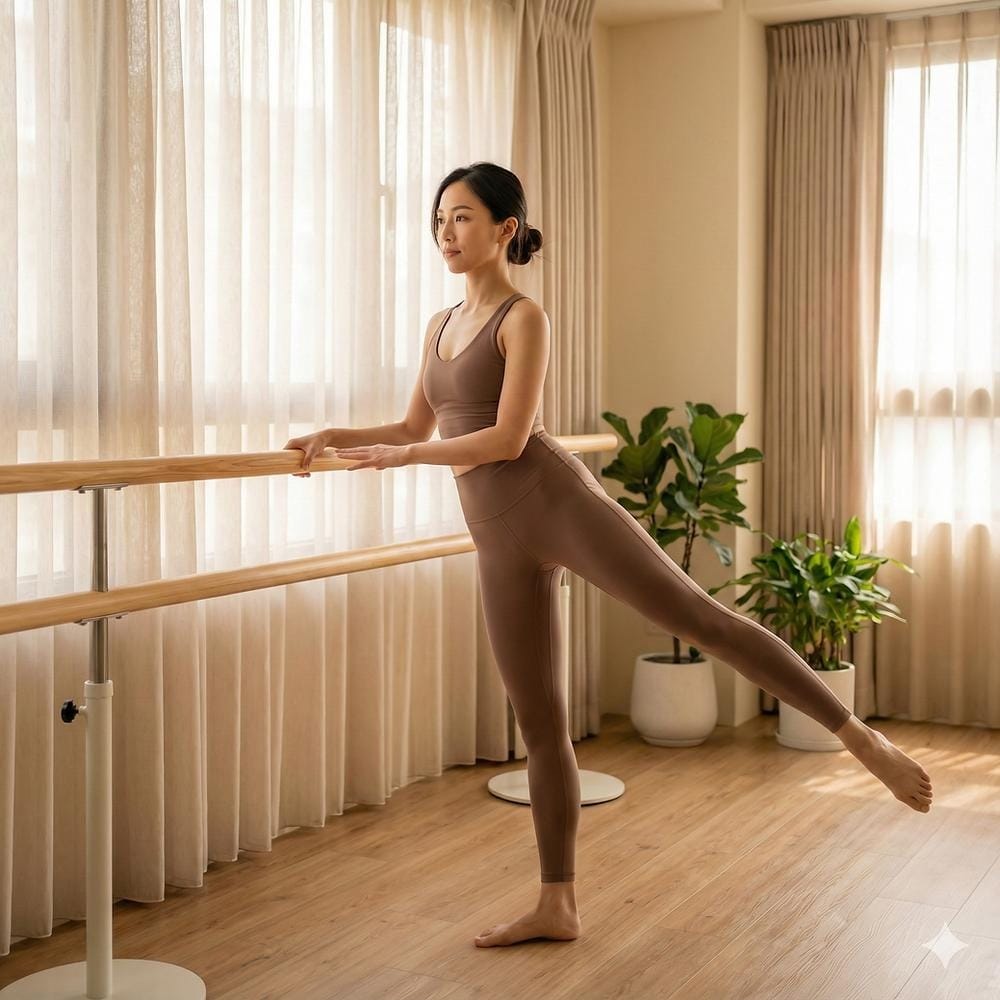
Barre often involves holding your body in controlled positions while moving your arms or legs. This challenges your core and the muscles that help stabilize your hips, knees and ankles.
These muscles play an important role in everyday activities, from getting up from a chair to walking on uneven ground.
Barre isn't the only way to train these muscles, of course. But its emphasis on control, posture and sustained positions can make it a useful addition to your exercise routine.
4. It can help support balance and posture
Many barre exercises involve standing on one leg, shifting your weight or maintaining an upright position while moving. These activities challenge balance and body awareness.
Regular practice may help improve your ability to control your movements and maintain stability. The emphasis on alignment and core engagement may also help you become more aware of your posture.
However, balance improvements depend on the exercises you do and how consistently you practice. If balance is a particular concern, include exercises that specifically challenge balance and are appropriate for your abilities.
5. It combines strength and flexibility
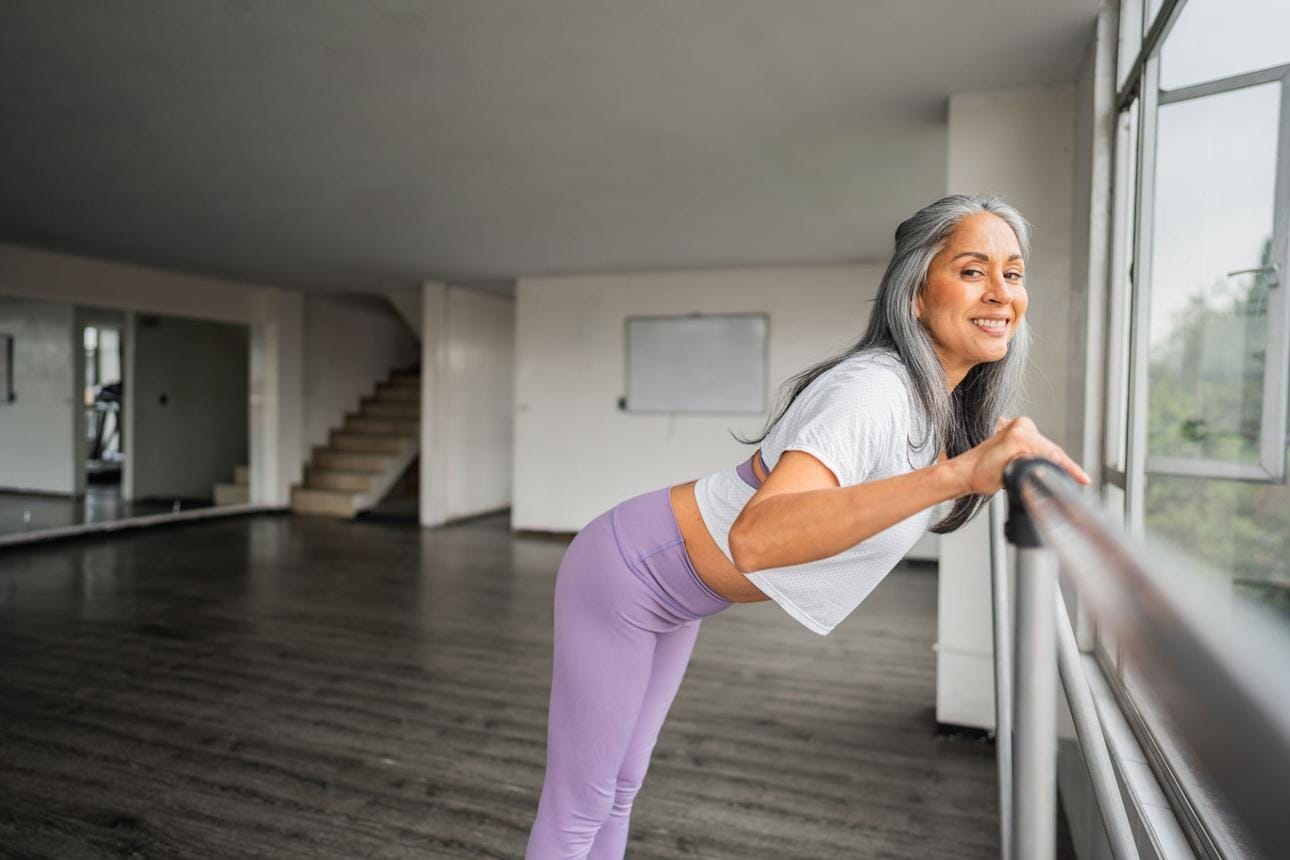
A typical barre class alternates between controlled strengthening movements and stretches. This combination can help improve muscular endurance while giving you opportunities to work on flexibility.
The movements may also help you develop better coordination and control.
However, flexibility gains depend on the stretches performed and how regularly you practice. And while barre can strengthen muscles, the amount of resistance used varies considerably between classes.
6. It doesn't fully replace traditional strength training
Here's an important distinction: barre can challenge your muscles, but many classes rely primarily on body weight and light resistance.
That can be useful for muscular endurance, but maintaining and building muscle as you age also benefits from progressively challenging resistance training. Exercises with appropriately heavier weights or resistance bands can provide a different and important stimulus.
Strength training also plays a role in supporting bone health. Barre may contribute to an active lifestyle, but it shouldn't be considered a substitute for a well-rounded strength program.
Think of barre as one useful part of your routine rather than the only strength exercise you need.
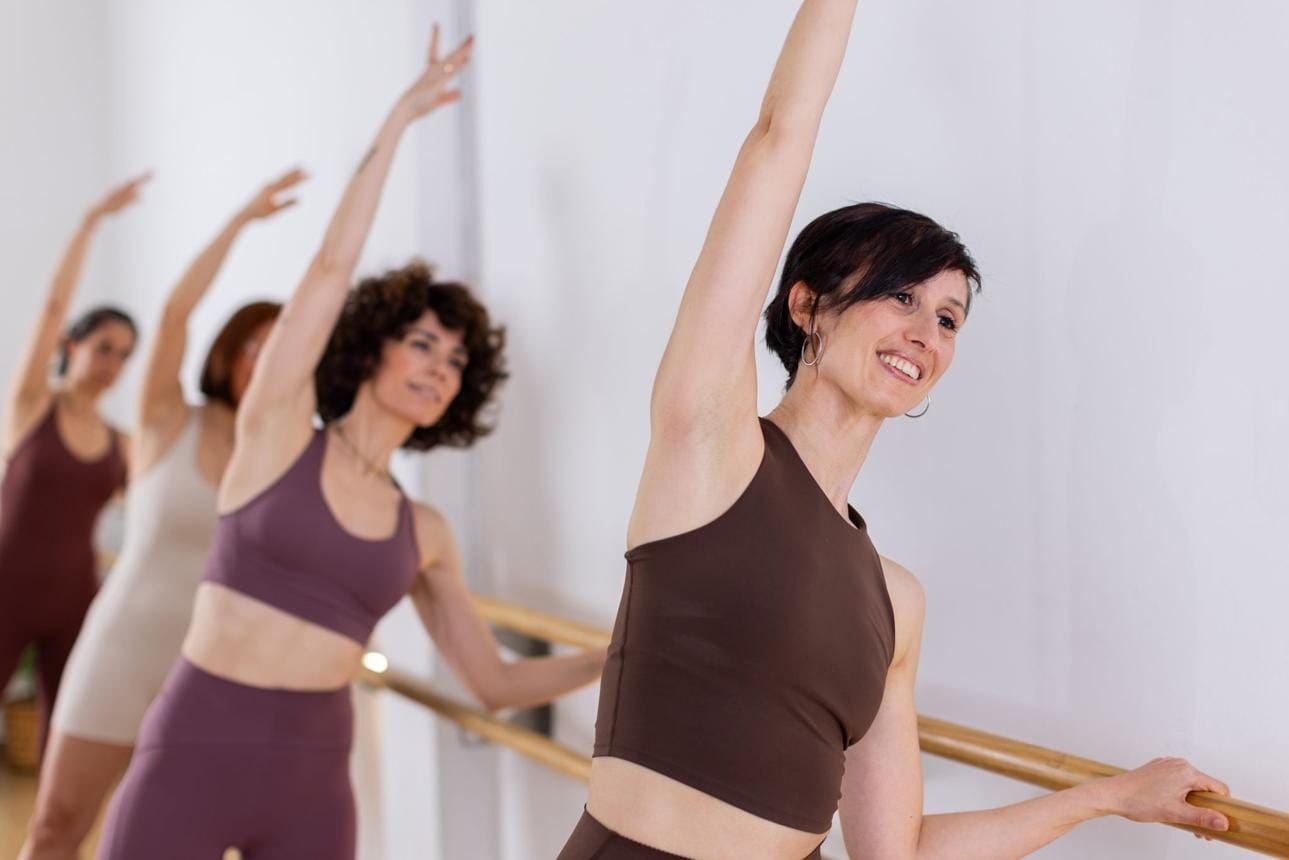
7. Enjoyment can make a difference
One of the most appealing aspects of barre is the experience itself. Music, structured movements and the atmosphere of a group class can make exercise feel enjoyable rather than like another task on your to-do list.
And that matters. Finding an activity you enjoy can make it easier to stay active consistently.
Some people love the focus and rhythm of barre; others prefer walking, swimming or strength training. There's no single exercise everyone needs to enjoy. The most useful routine is one that fits your preferences, abilities and lifestyle.
💡 A few tips before your first class
- Choose a beginner-friendly class. Look for an instructor who offers different levels and modifications.
- Use support when needed. A barre or sturdy chair can help with balance during standing exercises.
- Don't push through pain. Adjust movements that cause discomfort, especially around your knees, hips or back.
- Build up gradually. Start with shorter or less challenging sessions if you're new to barre.
- Keep your routine varied. Combine barre with walking, appropriate strength training and other activities you enjoy.
If you have significant joint problems, osteoporosis, a recent injury or other health concerns, consider asking a healthcare professional which movements are suitable for you.
“The best workout is one that helps you feel stronger and keeps you coming back.”
— The Daily Wellness Guide