
Does Facial Lymphatic Drainage Actually Work?
What the science really says about the face-sculpting trend.
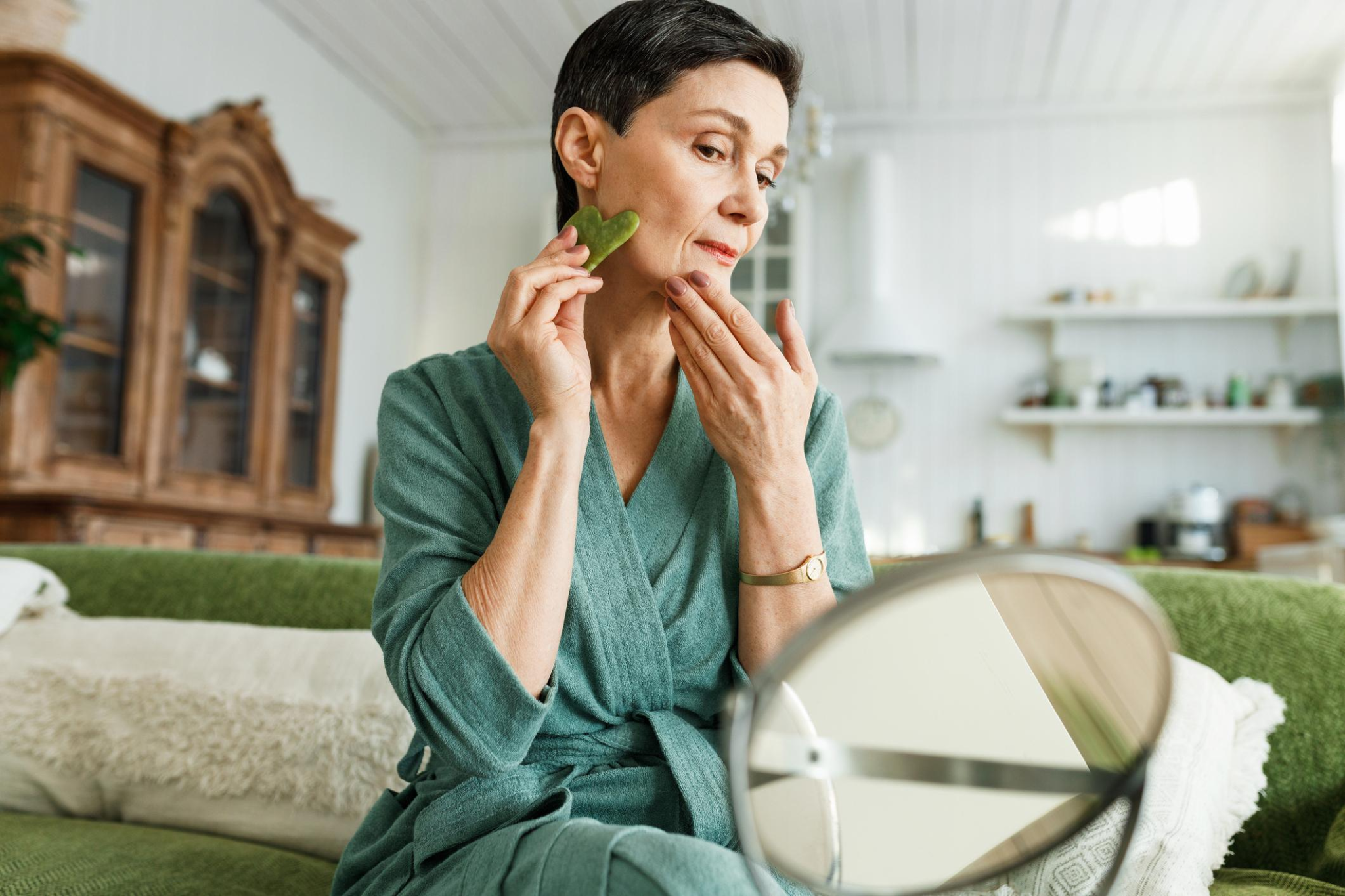
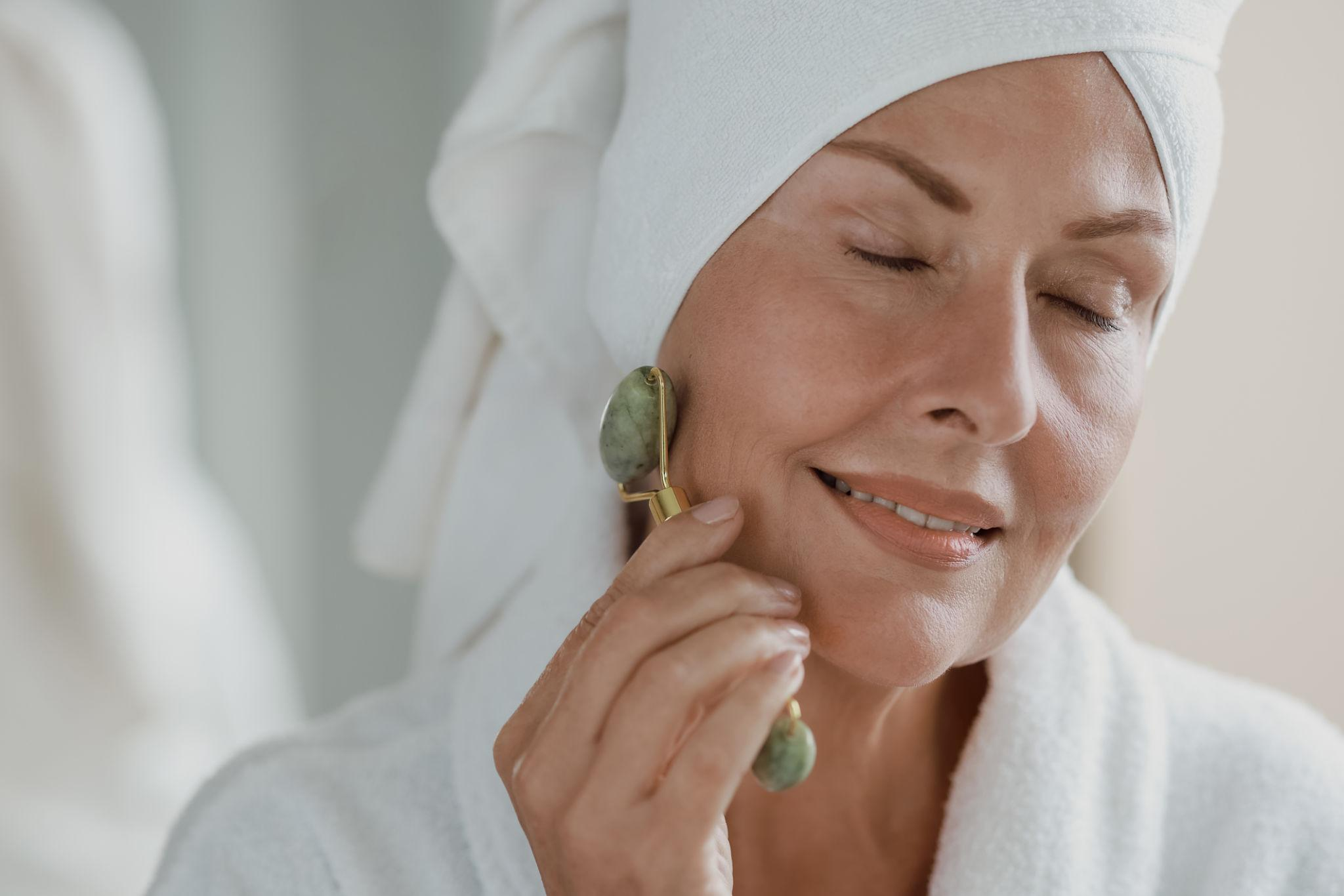
Gua sha stones, jade rollers, and “lymphatic drainage facials” are everywhere right now, promising to depuff, sculpt, lift, and rejuvenate your face.
And some before-and-after photos are pretty convincing.
But does gently massaging your face genuinely change anything — or is it beautiful wishful thinking?
Let's separate the real from the exaggerated.
First: What is the lymphatic system actually doing?
Your face has a network of lymphatic vessels that helps move excess fluid and cellular waste away from tissues and back into circulation.
When fluid temporarily accumulates in the tissues, you can look puffy — something many people notice after waking, after a salty meal, or when they're dealing with allergies or other causes of swelling.
Gentle massage may help encourage fluid movement through superficial tissues.
That's the basic biology behind facial lymphatic massage.
But there's an important distinction:
The existence of a lymphatic system doesn't automatically prove that every facial roller or massage technique produces the dramatic results promised online.
Research specifically on at-home facial rollers and “lymphatic drainage” techniques is still limited.
What it genuinely can do: temporarily reduce puffiness
This is probably the most reasonable claim.
Gentle facial massage may help shift superficial fluid, which can make the face look temporarily less puffy or slightly more defined.
That's quite different from changing your underlying facial structure.
And the effect is generally short-lived. Once fluid balance returns to normal, so does your natural appearance.
So if you love a few minutes of morning gua sha because your face looks a little fresher afterward, that's a perfectly reasonable expectation.
What it can't do: permanently sculpt your face
This is where social media tends to get carried away.
Your facial shape is influenced by bone structure, fat distribution, muscle, connective tissue, and skin.
A massage tool isn't going to permanently reposition those structures.
A temporary reduction in puffiness can create the appearance of more definition, but that's not the same thing as permanently lifting or reshaping your face.
It isn't a facelift in disguise.

What about “detoxing” your face?
This is the claim I'd happily leave behind.
Your lymphatic system does help transport fluid and cellular waste, but facial massage isn't “flushing toxins” from your body.
Your liver and kidneys already perform major roles in processing and eliminating waste products.
So enjoy the massage if you like it — just don't expect it to detox your body.
There is one underrated benefit: relaxation
This one doesn't need much marketing.
A few minutes of slow, gentle facial massage can simply feel good.
Many of us carry tension in our jaw, forehead, and around our eyes without realizing it. A calming skincare ritual can provide a small pause in the day and may help you feel more relaxed.
You don't need a dramatic biological explanation for that benefit.
Sometimes feeling calmer is enough.
If you want to try it, keep it gentle
You don't need to press hard to make lymphatic massage “work.” In fact, aggressive scraping or pulling can irritate the skin.
A few sensible guidelines:
- Use light pressure rather than trying to force fluid through the tissues.
- Use a suitable moisturizer or facial oil so the tool glides rather than drags.
- Don't massage over broken, irritated, or actively inflamed skin.
- Keep your tool clean.
- Stop if the technique causes pain, bruising, or significant irritation.
And if you're experiencing persistent or unexplained facial swelling, don't assume it's simply lymphatic fluid. New or significant swelling can have many causes and may warrant medical evaluation.
⭐ The Honest Verdict
Does facial lymphatic drainage actually work?
For a temporary de-puff and a relaxing self-care ritual: potentially, YES!
For permanently sculpting, lifting, or “detoxing” your face: NO!
The research doesn't justify the dramatic transformation claims circulating online, but that doesn't mean the practice is pointless.
If you enjoy the ritual and like the temporary fresher, less-puffy appearance, there's nothing wrong with making it part of your routine — as long as you keep expectations realistic.
And when it comes to protecting your skin over the long term, the less glamorous habits still matter most: sun protection, gentle skincare, adequate nutrition, and avoiding smoking. A jade stone can be lovely. It just doesn't need to be magical.
— The Daily Wellness Guide