
Can Your Mouth Reveal Clues About Your Overall Health?
How a routine dental visit prompted Margaret to look beyond her smile.
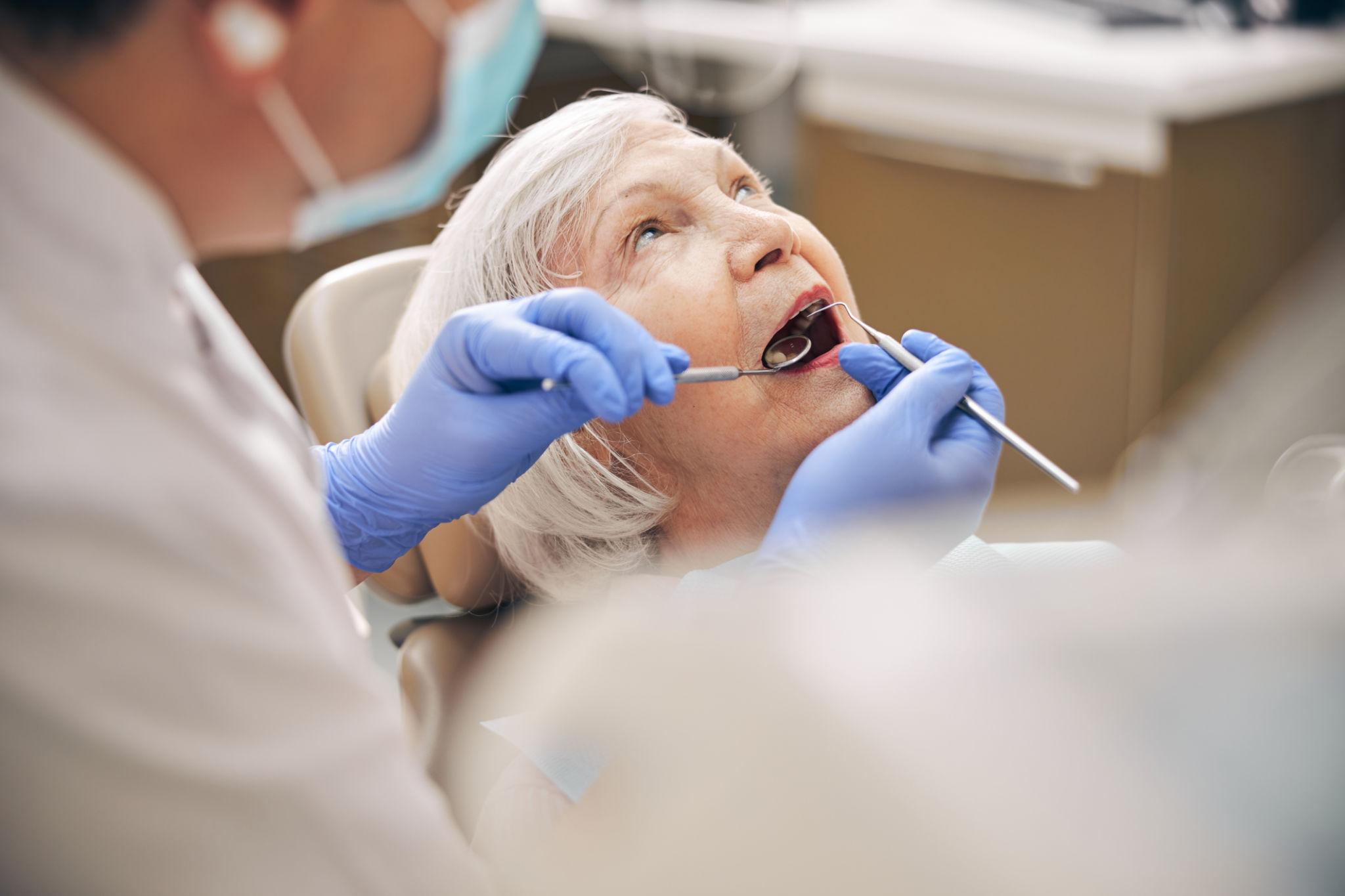
Margaret, 61, went in for a routine dental cleaning expecting nothing more than the usual checkup.
But during the visit, her dentist noticed that her gums were more inflamed and prone to bleeding than at her previous appointment.
“Have you had your blood sugar checked recently?” the dentist asked.
Margaret hadn't.
That simple question prompted her to mention the changes to her doctor, who ordered blood tests. They showed that her blood sugar was in the prediabetes range.
Her gums hadn't diagnosed prediabetes. But they had provided a reason to look a little more closely.
And that's an important distinction — because your mouth can sometimes offer clues about what's happening elsewhere in your body.
The connection between gums and blood sugar
The relationship between gum disease and diabetes is particularly well established.
People with diabetes are more likely to develop gum disease, and high blood sugar can make gum infections more severe and slower to heal. The relationship can also work in the other direction: periodontal disease is associated with poorer blood-sugar control in people with diabetes. ADA
That doesn't mean bleeding gums automatically signal prediabetes or diabetes.
Gum disease is common and can have many causes.
But persistent inflammation, swelling, or bleeding is worth discussing with your dentist, particularly if it's new or getting worse.
In Margaret's case, it became a useful prompt to check something she hadn't been thinking about.
What about your heart?
You've probably heard that gum disease is connected to heart disease.
There is indeed a well-established association between periodontal disease and cardiovascular disease. Recent American Heart Association guidance continues to highlight growing evidence of this relationship. www.heart.org
But here's where we need to be careful.
An association doesn't prove that gum disease causes heart disease. People with gum disease may also share other risk factors, such as smoking, diet, diabetes, or socioeconomic factors. The American Dental Association specifically cautions against treating the association as proof of causation. ADA
So don't think of brushing your teeth as a replacement for blood-pressure checks, cholesterol management, exercise, or other heart-health habits.
Think of oral health as one important part of overall health.

Your mouth can reveal other clues, too
Dentists see more than cavities.
During an examination, they may notice things such as persistent dry mouth, unusual sores, changes in the gums, delayed healing, or other changes that deserve attention.
Some can be related to medications or medical conditions; others may simply need dental treatment.
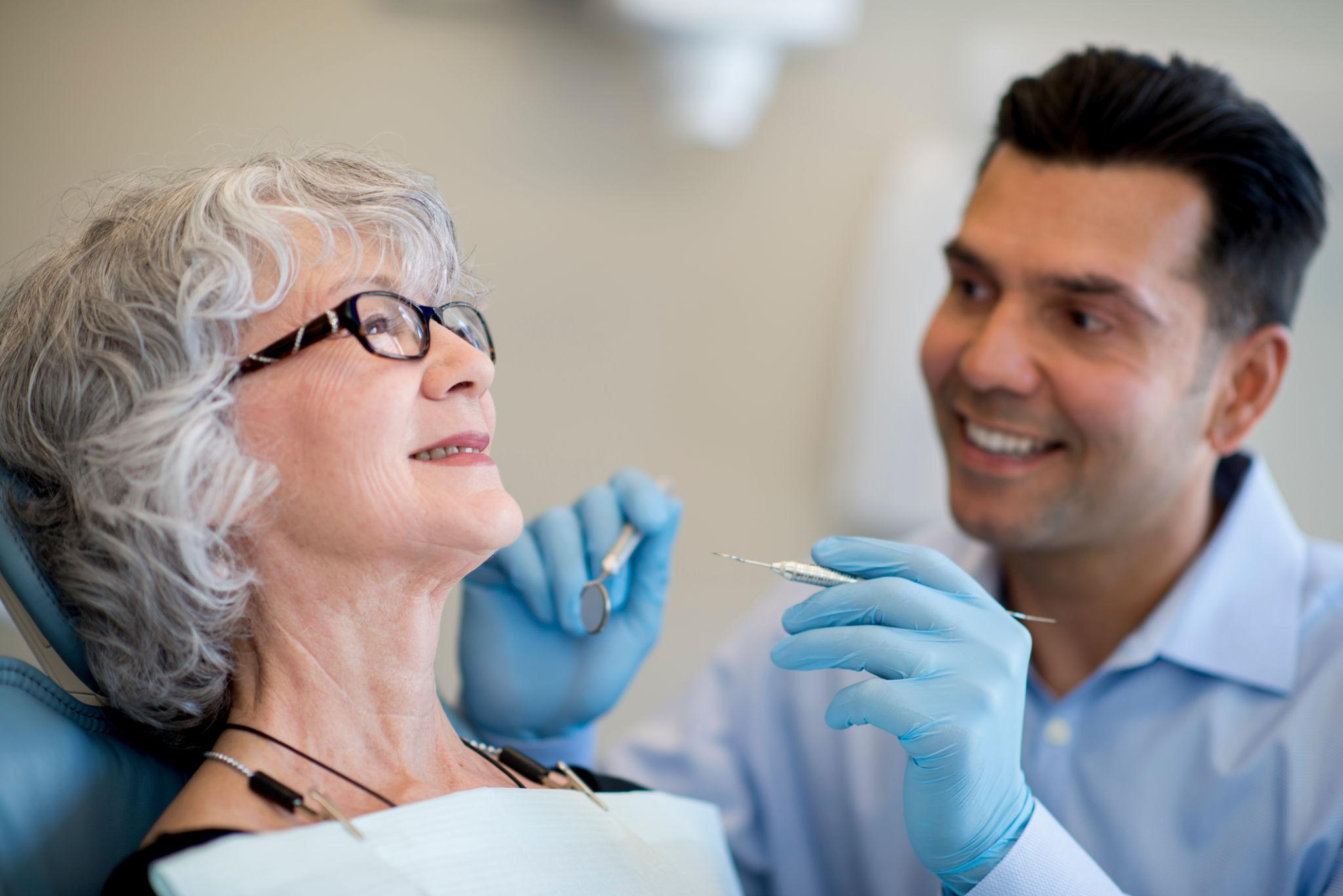
That's why your dentist is an important member of your healthcare team — not just someone you see when a tooth hurts.
And dental professionals may sometimes identify a concern that deserves follow-up with your doctor.
They aren't diagnosing everything from your mouth.
They're noticing changes and helping connect the dots.
The lessons from Margaret's story
🎯 Don't ignore bleeding gums.Occasional bleeding after particularly vigorous brushing isn't something to panic about, but persistent bleeding, redness, swelling, or tenderness deserves a dental check. The CDC lists red, swollen, or easily bleeding gums among signs of gum disease. CDC
🎯 Don't wait for tooth pain to see a dentist.Routine dental care can identify gum disease, cavities, and other problems before they become more complicated.
🎯 Keep the basics boring and consistent.Brush twice a day with fluoride toothpaste and clean between your teeth daily. These simple habits remain remarkably valuable. CDC
🎯 Tell both sides of your healthcare team what's changing.If your dentist notices something unusual, follow up with your doctor when appropriate. And tell your dentist about relevant medical conditions, medications, and new symptoms.
⚠️ One more thing worth remembering
Your mouth isn't a crystal ball.
Bleeding gums don't mean you have diabetes. Gum disease doesn't mean you're going to develop heart disease. And a dental examination can't replace appropriate medical screening.
But your mouth is part of your body, and changes there can sometimes provide useful clues.
That's the real lesson from Margaret's story.
A routine dental appointment isn't just about keeping your smile looking good. It's another opportunity to notice changes, ask questions, and make sure the different parts of your healthcare aren't operating in separate little boxes.
Sometimes an ordinary observation is enough to start a conversation that turns out to matter.
— The Daily Wellness Guide