Can Music Support Brain Health After 50?
One of life's oldest joys, quietly caring for your mind.
Think of a song from your youth. Within seconds, the melody might bring back a person, a place, or an entire chapter of your life.
That everyday experience hints at something researchers find fascinating: music has a remarkably rich relationship with the brain.
After 50, it may be one of the most enjoyable ways to keep your mind engaged—not because it's a magic treatment, but because music can bring together memory, emotion, movement, learning, and connection.
So can music really support brain health?
Yes, in several wonderfully ordinary ways.
🎵 Music and memory have a special connection
Have you ever heard a song you hadn't played in decades—and suddenly remembered exactly where you were when you first heard it?
Music can be strongly connected with autobiographical memories and emotion. That's one reason familiar songs can sometimes evoke recognition and meaningful memories even when other types of recall become more difficult.
Music is also used in some care settings to support engagement and wellbeing for people living with dementia.
It doesn't mean music can prevent or cure memory disorders.
But it does show just how powerful the connection between music, memory, and emotion can be.
💛 It can influence your mood
Music can also change how you feel.
A familiar favorite might lift your mood. A slower piece might help you unwind. An energetic song might make an ordinary afternoon feel a little brighter.
Because stress and emotional wellbeing are part of overall brain health, having enjoyable ways to relax can be valuable.
And unlike many “brain health” activities, this one doesn't feel like homework.
💃 Music makes movement more enjoyable
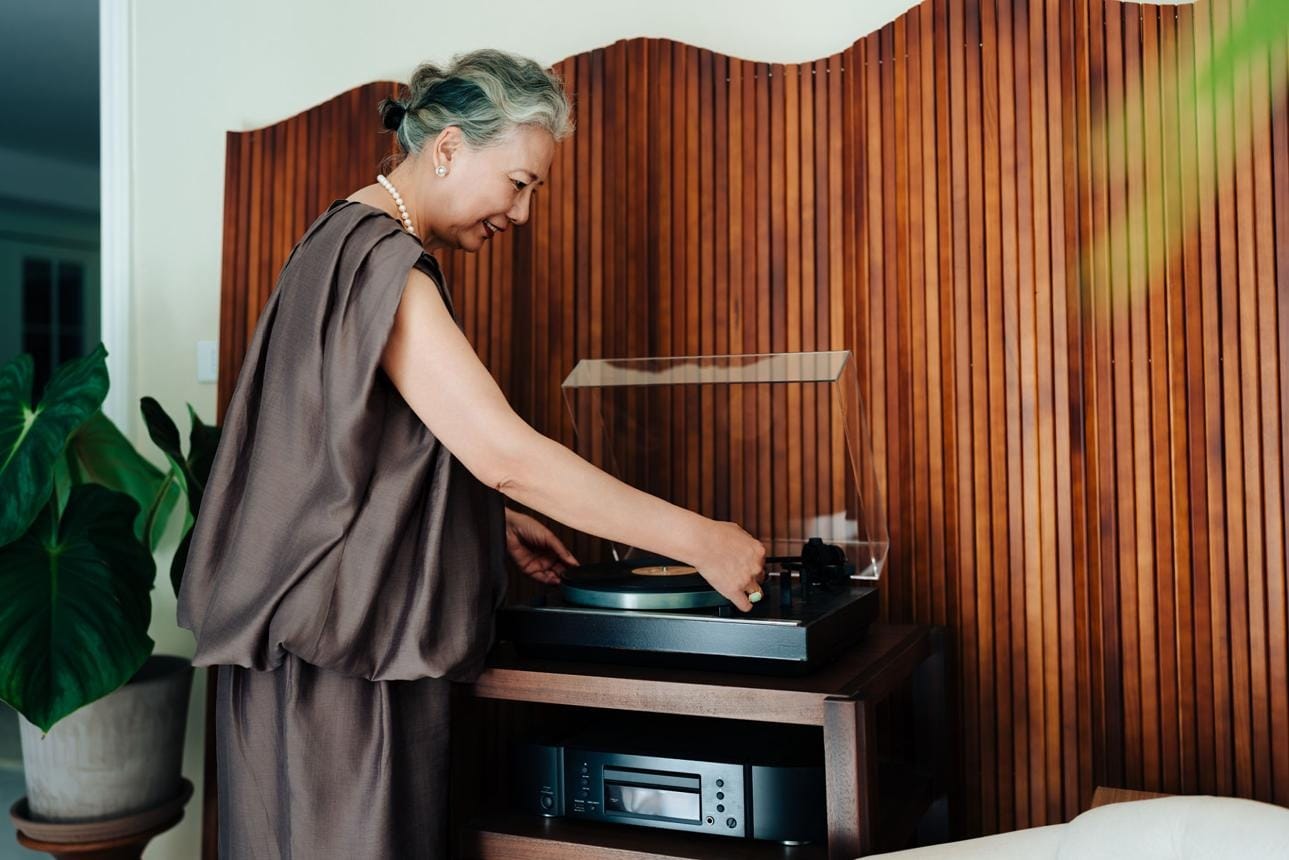
Music has a natural ability to get us moving.
You might tap your feet, sway while cooking, take a walk with your favorite playlist, or dance around the living room.
That's worth celebrating because physical activity supports brain health too.
Dancing is particularly interesting because it can combine movement, rhythm, balance, coordination, attention, and enjoyment.
You don't need choreography.
Even a few songs that make you want to move can turn sitting into something much more active.
🎹 Making music gives your brain a challenge
Listening is wonderful, but making music adds another dimension.
Playing an instrument can involve attention, memory, timing, coordination, and learning. Singing similarly requires you to coordinate breathing, language, pitch, rhythm, and memory.
And you don't have to have started as a child.
Learning a few chords on a guitar, trying the piano, joining a singing group, or picking up an instrument you've always been curious about can provide a satisfying new challenge later in life.
The goal isn't to become a virtuoso.
The learning itself is part of the fun.

🎤 Singing can bring people together
There's another benefit that's easy to overlook:
connection.
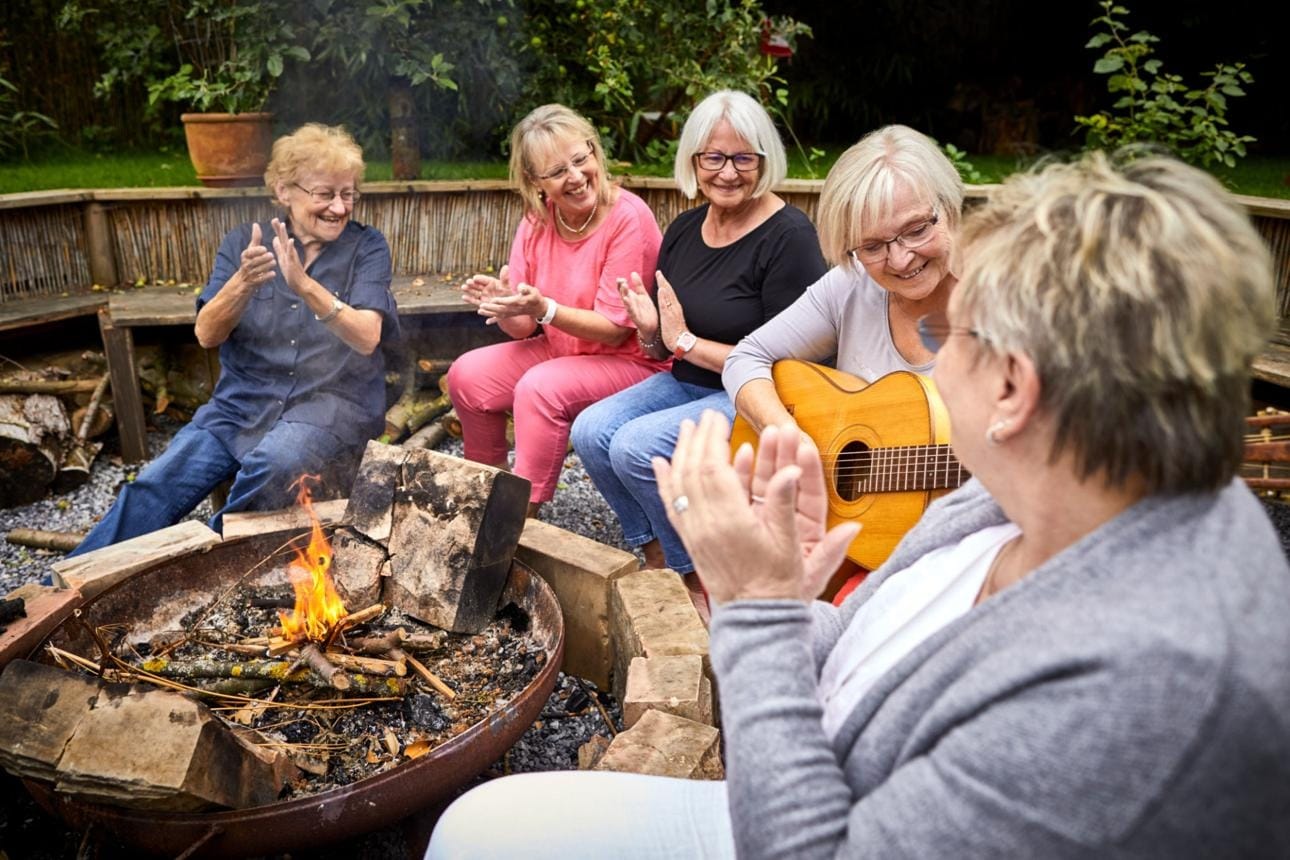
Singing with other people—whether in a choir, community group, church group, or simply with friends—combines music with social interaction.
And maintaining meaningful social connections is an important part of healthy aging.
Sometimes the best brain-supporting activity isn't something you do alone with an app.
It's something you do with other people while having a good time.
🌿 There's no “right” way to enjoy music
You don't need a special playlist designed to “boost your brain.”
Your favorite music counts.
So does discovering something completely new.
Try:
- Listening to an old favorite
- Exploring music from a different era or culture
- Singing while you cook
- Dancing for a few songs
- Learning an instrument
- Joining a choir or music group
- Taking a musical walk outdoors
Choose whatever makes you want to press play.
The bottom line
Music isn't a cure-all, and enjoying your favorite songs doesn't guarantee protection against cognitive decline.
But it's a wonderfully accessible way to engage your mind, support your emotional wellbeing, encourage movement, and connect with other people.
And perhaps that's the nicest part.
You don't have to make music another item on your health checklist.
Just enjoy it.
Put on the song that takes you back. Dance while dinner cooks. Sing badly and happily. Learn the instrument you've always wanted to try.
Your brain doesn't need every healthy habit to feel like work.
Sometimes, taking care of yourself can sound like your favorite song.
“Some of the best things we can do for our minds are also the things that make us feel most alive.”
— The Daily Wellness Guide