
Can Having a Pet Support Healthy Aging?
Meet Barbara — and the little dog who changed her days.
When Barbara retired at 63, she expected to enjoy a slower pace of life. But six months later, the quiet had begun to feel a little too quiet. Without the structure of work, her days seemed to blur together. She wasn't unwell, exactly; she just felt as though something was missing.
Then her daughter suggested a visit to a local animal shelter. They weren't planning to adopt that day. They were just going to look.
That's where Barbara met Biscuit, a scruffy little terrier who would bring some unexpected changes to her life.

A reason to get moving
Biscuit needed walks, and Barbara soon discovered that having a dog gave her a reason to get outside every day.
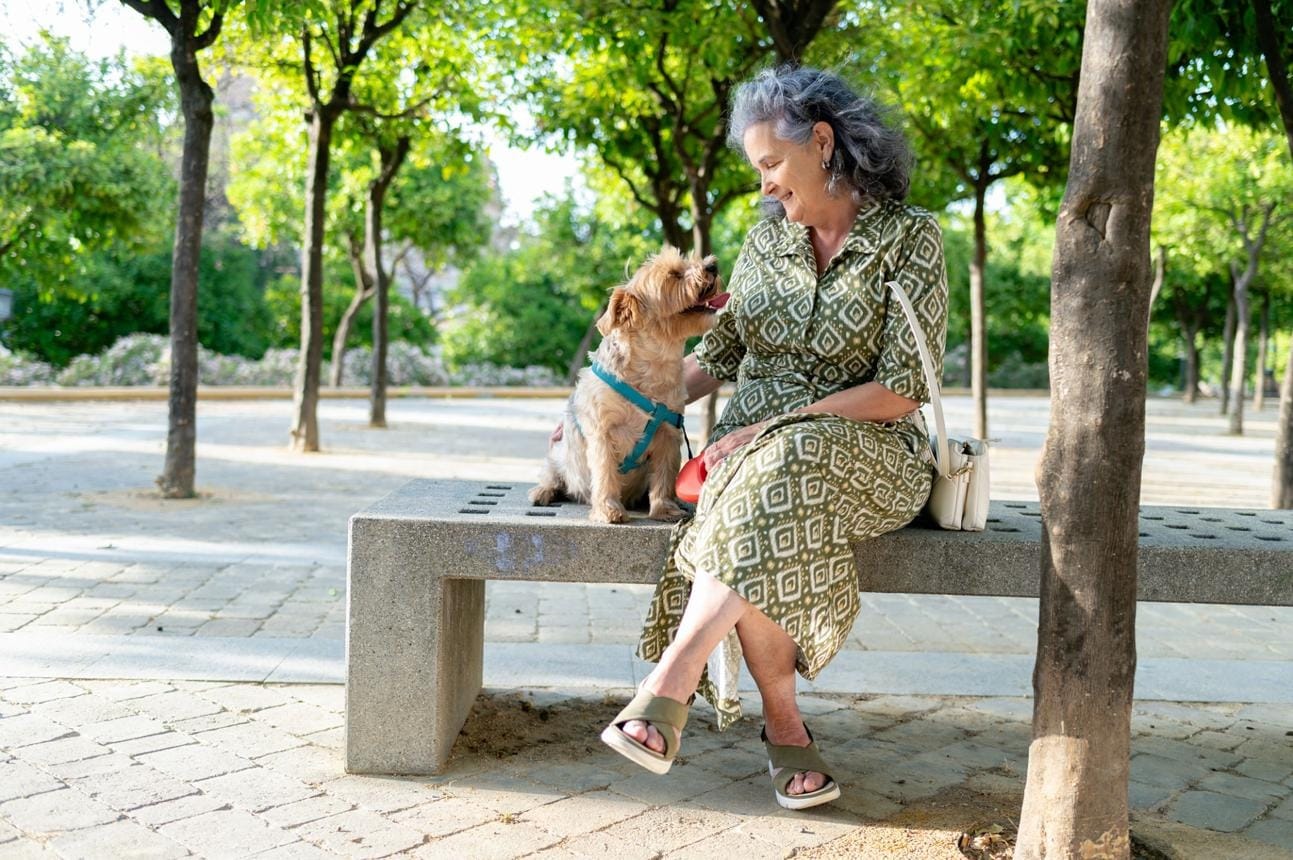
At first, she wasn't particularly enthusiastic. But gradually, the walks became part of her routine. She was moving more regularly, getting some fresh air and spending time outdoors without having to think of it as exercise.
For older adults, that kind of everyday movement can be valuable. Regular walking supports cardiovascular health, mobility and general well-being. Having a pet may help some people become more active simply by giving them a regular reason to move.
Barbara also noticed that getting outside seemed to lift her mood. Although a pet can't guarantee better sleep or more energy, a consistent daily routine and regular activity may help support both.
A little dog, a bigger social circle
Something else happened on those walks. Barbara began seeing the same people at the park each morning. A friendly nod turned into a conversation, and before long, she had familiar faces to look forward to seeing.
Pets can sometimes make social interactions feel more natural. Walking a dog, visiting a dog park or chatting with another pet owner can create opportunities for connection, particularly for people whose social lives have changed after retirement.
These small interactions don't replace close friendships, but they can help people feel more connected to their communities.
The comfort of being needed
Perhaps the most meaningful change for Barbara was less visible.
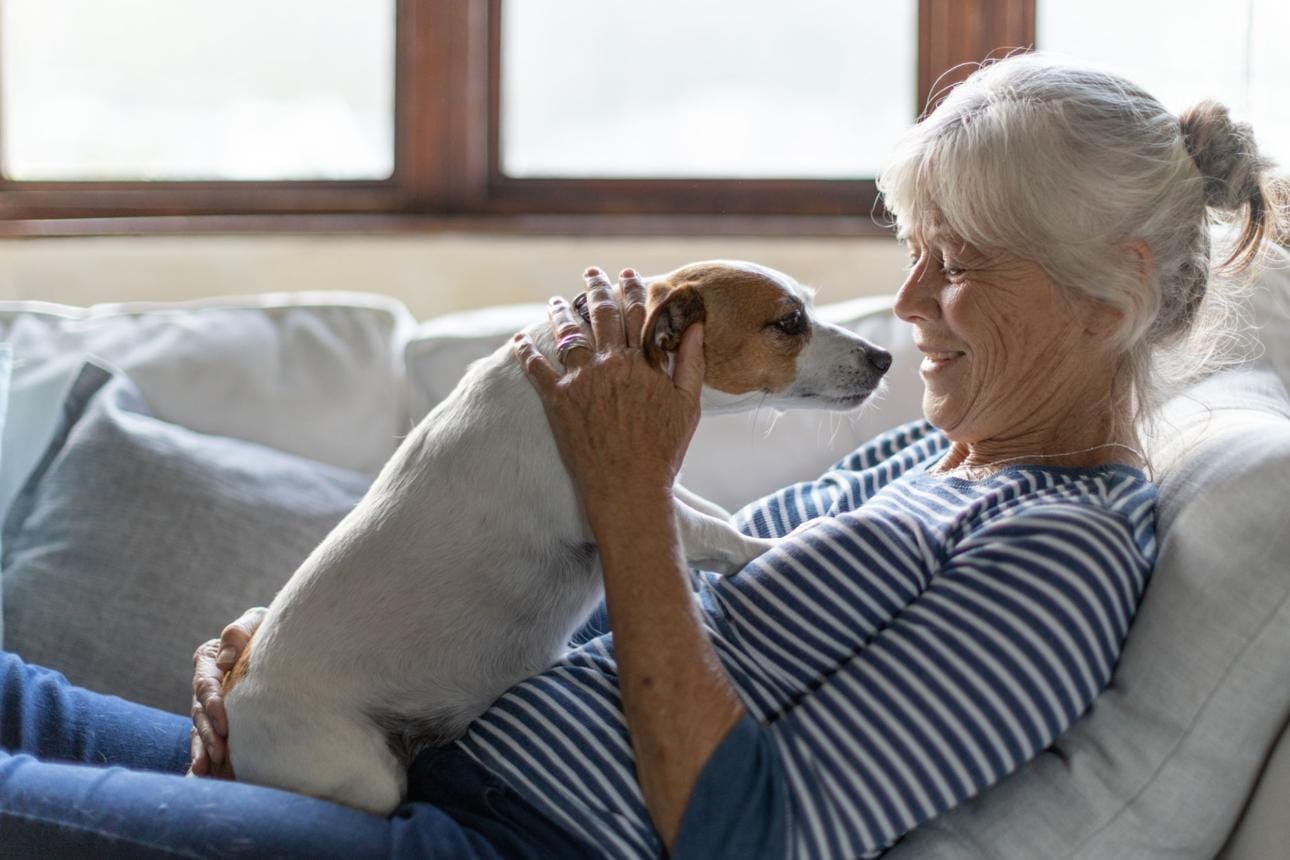
Biscuit depended on her for food, walks and affection. Caring for him gave her days a familiar rhythm and a sense of responsibility. After years of raising a family and working, she found that having a small creature to care for brought a renewed sense of purpose.
Research suggests that companionship and a sense of purpose can contribute to emotional well-being as we age. For some people, the bond with a pet may also offer comfort and help ease feelings of loneliness.
Of course, everyone's experience is different. A pet isn't a treatment for depression or a substitute for human support. But the companionship and daily responsibilities of caring for an animal can be meaningful additions to a fulfilling life.
What can we learn from Barbara's experience?
Barbara's story highlights a few ways a pet may support well-being as we get older.
- More everyday movement: Walking and playing with a pet can add activity to your day without requiring a formal exercise routine.
- Companionship: The bond with an animal can bring comfort and a welcome sense of company.
- A daily routine: Feeding, walking and caring for a pet can give your days some structure.
- More opportunities to connect: Pets can create natural opportunities to meet neighbors and interact with others.
These benefits aren't guaranteed, and they don't depend on owning a dog. The important thing is finding ways to bring movement, companionship and purpose into your everyday life.
Is having a pet right for everyone?
There's an important part of Barbara's story worth considering: caring for a pet is a genuine commitment.
Food, veterinary care, grooming and other expenses can add up. Pets also need time, attention and exercise, and their needs may change as they age. Your own health, mobility, housing and finances all matter when deciding whether to adopt.
For some people, a calm, older animal may be a better fit than a young, energetic pet. It's also sensible to think about who could help care for an animal if your circumstances change.
And if having a pet of your own isn't practical, you can still enjoy some of the same experiences. Walking a neighbor's dog, volunteering at an animal shelter or spending time with a friend's pet may offer opportunities for companionship and connection without the full responsibility of ownership.
🎯 The Bottom Line
A pet can bring much more than companionship. For some older adults, caring for an animal may encourage regular movement, create a daily routine, provide emotional comfort and open the door to new social connections.
But there's no single formula for healthy aging, and pet ownership isn't right for everyone. What matters is finding sustainable ways to stay active, connected and engaged in the things that give your life meaning.
For Barbara, that happened to be a little terrier named Biscuit. For someone else, it might be volunteering, gardening, meeting friends for a walk or simply spending more time with animals they love.
“Sometimes, a little companionship can bring a lot of joy to an ordinary day.”
— The Daily Wellness Guide