Can Collagen Really Change Your Skin After 50?
What the evidence says about the wellness world's favorite powder.
Collagen powders, capsules, and drinks seem to be everywhere—promising firmer, plumper, more youthful-looking skin.
And because collagen production naturally declines with age, particularly around and after menopause, the idea sounds convincing.
But does taking collagen actually make a visible difference?
The honest answer is: possibly, but probably not dramatically.
Let's look at what the evidence really suggests before you spend money on another wellness powder.
· · ·
First, what happens to collagen as we age?
Collagen is a structural protein that helps give skin its strength, firmness, and elasticity.
Our bodies naturally produce less of it as we get older. Hormonal changes around menopause can also contribute to changes in skin thickness, elasticity, and moisture.
That's where collagen supplements come in.
The theory is simple: consume collagen peptides, absorb their building blocks, and perhaps give the body some additional material to work with.
But there's an important distinction:
Collagen you swallow doesn't travel directly to your skin.
Your digestive system breaks it down into smaller peptides and amino acids, which the body then uses in different ways.
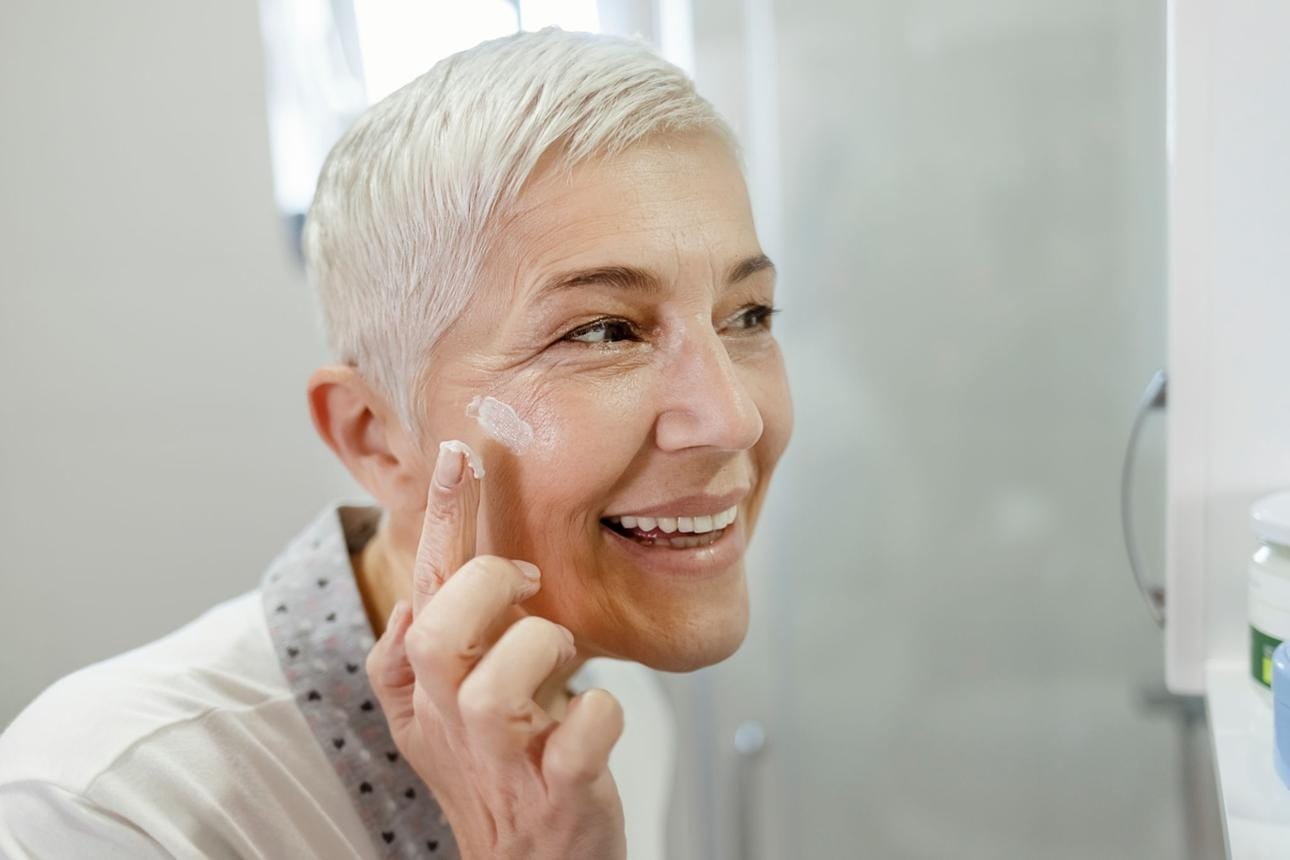
So, does the supplement actually work?
Some clinical studies suggest that oral collagen peptides may modestly improve skin hydration and elasticity, particularly after several weeks of consistent use.
That's encouraging—but it's not the same as turning back the clock.
The research also has limitations. Studies vary considerably in their collagen products, doses, and methods, and some have industry funding. That means it's sensible to keep expectations realistic.
Think small improvement, not transformation.
You probably shouldn't expect collagen powder to erase wrinkles, tighten loose skin, or produce the kind of dramatic results promised in some advertisements.
What matters at least as much?
Here's the part that often gets lost in the supplement conversation.
Get enough protein.
Your body needs amino acids to make its own collagen and other important proteins. Fish, eggs, dairy, poultry, beans, lentils, tofu, nuts, and seeds can all contribute.
Protect your skin from the sun.
This is the big one. Ultraviolet exposure is a major driver of premature skin aging and collagen breakdown. Regular broad-spectrum sunscreen, protective clothing, and shade can help limit ongoing damage.
No powder can compensate for years of unprotected UV exposure.

Don't forget vitamin C
Vitamin C is essential for normal collagen production.
You don't necessarily need a beauty supplement to get it. Citrus fruits, berries, peppers, tomatoes, broccoli, and other fruits and vegetables can provide plenty.
A varied diet also supplies many other nutrients involved in maintaining healthy skin.
And if you smoke, quitting is one of the most meaningful things you can do for both your skin and your overall health. Smoking accelerates processes that damage collagen and elastin.

Is collagen worth trying?
For most healthy adults, collagen supplements appear to be reasonably well tolerated, but "safe" doesn't automatically mean "necessary."
If you enjoy using one, it fits your budget, and you understand that any benefit is likely to be modest, there's nothing magical about not trying it either.
Look for a reputable product and check the ingredient list. And remember that supplements aren't regulated in exactly the same way as medicines.
If you have allergies, are pregnant or breastfeeding, have a medical condition, or take medications, it's sensible to ask your healthcare professional before starting a new supplement.
· · ·
The honest bottom line
Collagen supplements may provide a modest improvement in skin hydration or elasticity for some people.
But they're not a miracle cure—and they're certainly not the most important thing you can do for aging skin.
The bigger, less glamorous wins are remarkably consistent:
Protect your skin from the sun. Eat enough protein. Get plenty of colorful plant foods. Don't smoke. Take care of your overall health.
If a daily scoop of collagen fits comfortably into your routine and budget, think of it as an optional extra—not a necessity.
Your skin doesn't need a miracle.
It needs consistent care.
“Healthy skin isn't built by one perfect product. It's supported by the small things you do consistently.”
— The Daily Wellness Guide