
Are Greens Powders Worth the Hype After 50?
A clear-eyed verdict on the scoop everyone's talking about.
They're everywhere: colorful tubs of “greens powder” promising more energy, better gut health, stronger immunity, and glowing skin—all from one daily scoop.
The marketing is impressive. The prices can be even more impressive.
So are greens powders actually worth it after 50, or are they mostly expensive green dust?
The honest answer is somewhere in the middle.
They can be convenient, but they're not a substitute for the real foods they're meant to replace.
· · ·
➡️ What exactly is a greens powder?
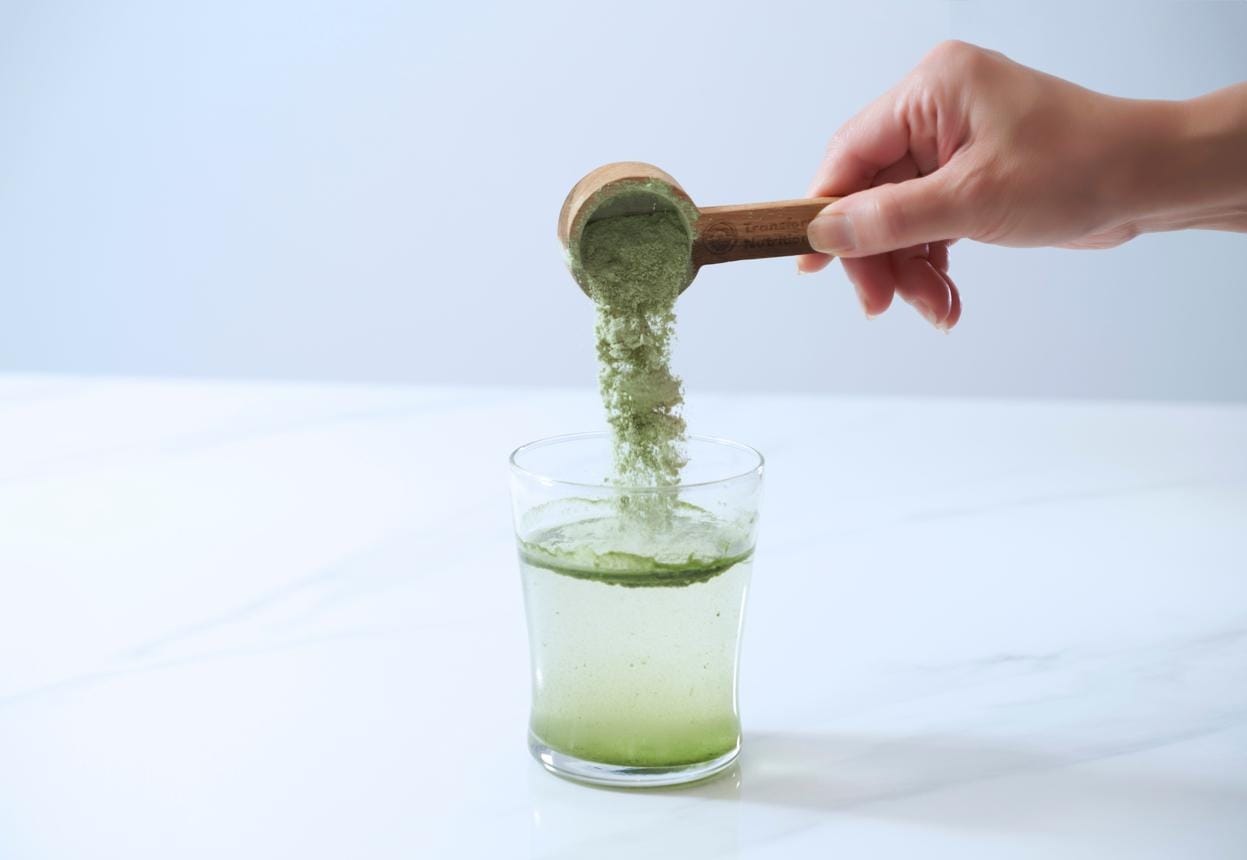
Greens powders are usually blends of powdered vegetables, fruits, algae, herbs, and other plant ingredients. Some also contain added vitamins, minerals, probiotics, or other supplements.
The appeal is easy to understand.
One scoop. A glass of water. Done.
For someone who struggles to eat vegetables regularly, that convenience can be useful.
But there's an important distinction:
Convenient doesn't necessarily mean better.
What do you actually get from a scoop?
A reputable product may provide some vitamins, minerals, and plant compounds.
But whole vegetables and fruits offer something a powder often can't provide in the same way:
Fiber.
Fiber supports digestion, helps with fullness, and contributes to heart and metabolic health. Many greens powders contain little fiber compared with the whole foods they're made from.
And chewing an actual meal brings its own benefits—satiety, texture, variety, and the opportunity to build a balanced plate.
So a greens powder can supplement your diet.
It can't turn a vegetable-poor diet into a vegetable-rich one.

And what about all those health claims?
This is where a little skepticism helps.
You'll see promises about:
“Detoxing” your body. Boosting immunity. Supercharging energy. Balancing hormones. Transforming your gut.
Some ingredients may have legitimate nutritional benefits, but those broad claims often go considerably further than the evidence.
Your liver and kidneys already handle your body's normal waste-removal processes.
And no powder can compensate for consistently poor sleep, inadequate nutrition, inactivity, or other health problems.
A scoop isn't a shortcut around the basics.
Quality varies, too
Not all greens powders are alike.
Ingredients, amounts, testing, and manufacturing standards can differ between products. Supplements also aren't evaluated in exactly the same way as prescription medicines before they reach consumers.
If you decide to use one, look for a product with clear ingredient information and credible quality testing rather than choosing based solely on flashy claims or influencer recommendations.
And remember that “more ingredients” doesn't automatically mean a better product.

· · ·
Who might actually benefit from one?
A greens powder could make sense as a convenient extra for someone who:
- Struggles to eat enough vegetables
- Travels frequently
- Has limited access to fresh produce
- Simply enjoys having an easy nutritional backup
But even then, think of it as a backup—not the foundation.
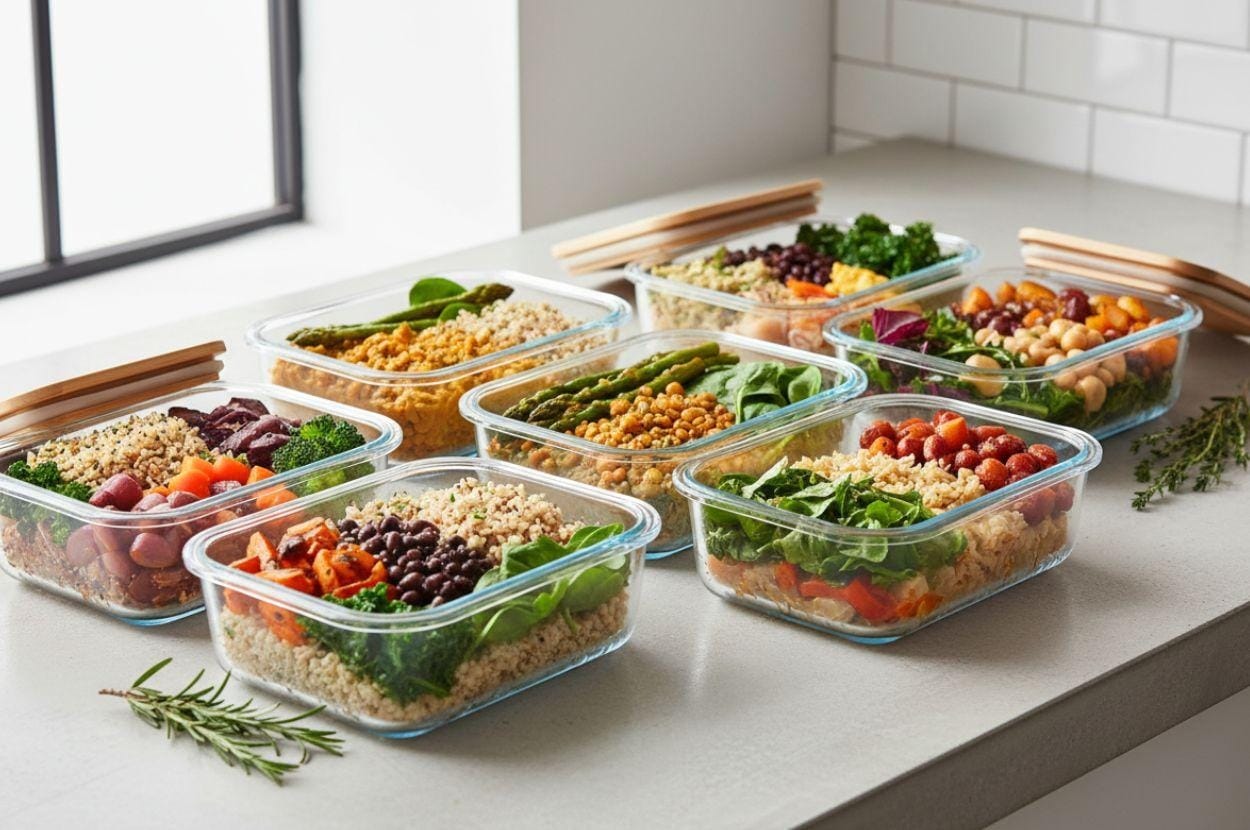
Frozen vegetables, canned beans, frozen berries, pre-washed greens, and other convenient whole foods can make eating plants much easier without requiring a daily scoop.
One important medication caution
Some greens powders contain concentrated amounts of particular nutrients or herbs.
Products containing substantial vitamin K can be relevant for people taking warfarin, because vitamin K intake can affect how warfarin works.
Other ingredients may also interact with medications.
If you take prescription medicines, especially blood thinners, or have a medical condition, check the ingredient list with your healthcare professional before starting a greens powder.
Ask yourself one simple question
Before spending $50, $70, or more on a tub, ask:
“Could I spend this money on actual vegetables, fruit, beans, and whole grains instead?”
For many people, the answer will be yes.
A bag of frozen spinach. Some broccoli. A few cans of beans. Berries from the freezer. Fresh carrots and peppers.
Those foods bring fiber, nutrients, variety, and something a powder can't quite replicate:
an actual meal.
· · ·
The bottom line
Greens powders aren't necessarily useless.
They can provide some nutrients and offer convenient supplementation when getting enough whole foods is genuinely difficult.
But they're not essential, and they're certainly not the nutritional miracle that some marketing suggests.
Think of them as the backup singer—not the lead.
Real vegetables and fruit first. Powder if you genuinely find it useful. Marketing claims with a healthy dose of skepticism.
Your healthiest “greens powder” may simply be the vegetables already sitting in your fridge.
“Convenience is wonderful. But when it comes to nutrition, simple food still does an extraordinary job.”
— The Daily Wellness Guide